

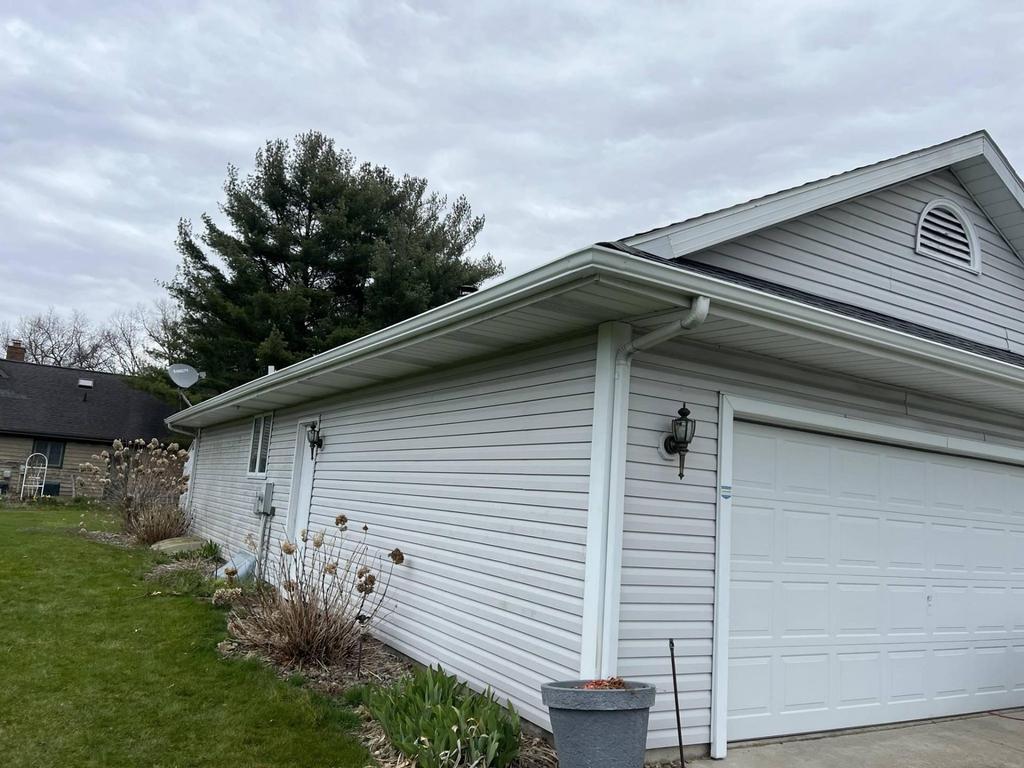
What Are The Eaves Of A House: In 5 Simple Parts
If you have ever stood outside your home and looked up at the roof overhang where it extends past the walls, you were looking at the eaves. Most homeowners know the word but could not tell you exactly what are the eaves of a house or why they matter. If your eaves are showing signs of wear, a free roof inspection is the quickest way to find out what is going on. Here is what this post covers:
- What eaves are and what they actually do
- The 5 parts that make up a complete eave system
- The types of eaves you will find on different homes
- FAQs homeowners ask most

What Are the Eaves of a House?
Eaves are the edges of a sloped roof that extend beyond the home’s exterior walls, creating a roof overhang. That overhang serves three purposes: weather protection, energy efficiency, and curb appeal. It is one of the oldest architectural features in residential design, built to push rainwater and snowmelt away from your walls, windows, and foundation rather than letting it run straight down the side of your house.
The wider a roof’s overhang, the more effective it is at shielding the home’s exterior from heavy rain, snow, and wind, thus enhancing the structural integrity of the building. Eaves also provide shade to windows and walls, which helps keep homes cooler during the summer months and reduces the need for air conditioning, contributing to energy efficiency. On flat roofs with minimal or no overhang, both benefits disappear, and walls take on more direct weather exposure year-round. In Northern Indiana, eaves also play a critical role in ice dam formation. When heat escapes through the roof deck and melts snow that then refreezes at the cold eave edge, you get an ice dam. Understanding how your eaves are built helps you understand why that happens and what can be done about it.
The 5 Parts of a Roof Eave System
Eaves are not a single piece. They are a roofing system made up of several components that each serve a specific function. Here are the 5 parts that make up a complete eave.
1. Rafter Tails
Rafter tails are the ends of the roof rafters that extend past the home’s exterior walls to create the roof overhang. They are the structural backbone of the eave, determining how far the sloped roof projects out from the house. On open and closed eaves, rafter tails are handled differently. Open eaves leave them exposed, lending a traditional craftsman look common on older South Bend bungalows. Closed eaves conceal them behind a soffit panel for a cleaner finish.
- What they do: Support the weight of the overhanging roof section and establish the eave depth.
- Common problems: Rafter tails are vulnerable to rot when moisture buildup occurs from a failed gutter or damaged fascia board. Once they soften, the whole eave system can sag.
- What to watch for: Peeling paint or soft wood at the eave edge, particularly on older homes.
2. Soffit
The soffit eaves panel is the underside of the roof overhang, the surface you see when you look up at the roof from below. It closes off the space between the rafter tails and the home’s exterior walls and, when vented, provides critical attic airflow. Intake air enters through soffit vents, travels up through the attic, and exits through ridge vents at the peak. Without that airflow, moisture buildup accelerates roof shingles deterioration and makes ice dams more likely during Indiana winters.
- What they do: Enclose the underside of the eave and provide attic ventilation when vented.
- Common problems: Blocked soffit vents are one of the most common contributors to ice dam problems in Northern Indiana.
- What to watch for: Cracks in soffit eaves panels, paint bubbling on the underside, or signs of pest entry at the eave edge.
3. Fascia
The fascia board runs horizontally along the eave edge, covering rafter tail ends and giving the roofline a finished look that contributes directly to curb appeal. It is also the surface gutters are mounted to, meaning fascia board condition directly affects drainage performance. Wood fascia requires regular painting or sealing. Aluminum and PVC hold up better in Northern Indiana’s wet winters. Damaged or rotted fascia board is one of the most common architectural flaws we find during roof inspections in South Bend, often caused by clogged gutters overflowing behind it.
- What they do: Cover rafter tail ends, support gutters, and provide decorative trim at the roofline.
- Common problems: Rot from water pooling behind improperly pitched gutters or clogged gutters sending overflow behind the fascia board.
- What to watch for: Soft or spongy fascia board, paint peeling in long strips, or gutters pulling away from the roofline.

4. Drip Edge
The drip edge is a metal flashing piece installed along the eave and rake edges of the sloped roof. It sits beneath the roofing underlayment and directs water away from the fascia board and into the gutters rather than letting it wick back under the roof shingles.
- What they do: Prevent water from infiltrating behind the fascia board and direct runoff cleanly into the gutter.
- Common problems: Missing or improperly lapped drip edge lets water work behind the fascia and soffit eaves, causing rot that is often invisible until severe.
- What to watch for: Staining on the fascia board face below the shingle edge, or water running down the siding during rain.
5. Gutters
Gutters collect water running off the sloped roof and channel it away from the foundation through downspouts. Without functioning gutters, or with clogged gutters that overflow onto the home’s exterior walls and foundation, the entire eave system works against itself. At One Way Construction and Roofing, we fabricate seamless gutters on-site, cut to fit the exact run of each home, eliminating the seams where most sectional gutters eventually leak.
- What they do: Collect and redirect roof runoff away from the foundation and home’s exterior walls.
- Common problems: Clogged gutters, improper pitch causing standing water, or gutters pulling away from deteriorating fascia board.
- What to watch for: Water overflowing the front of the gutter during rain, or visible separation between the gutter and fascia board.
We’re proud to serve homeowners and business owners in South Bend, Indiana, and nearby communities like Mishawaka, Elkhart, and Goshen with roofing, gutters, fascia, and soffit services.
Types of Eaves
Eaves can be classified based on their overhang size and design, with wider eaves providing more protection from rain and sun and narrower eaves often seen in modern designs for a minimalist aesthetic.
Open and closed eaves are the two most fundamental categories. Open eaves leave rafter tails exposed as a decorative trim element, common on craftsman bungalows throughout South Bend. Closed eaves enclose them behind a soffit panel for a cleaner, modern look, the most common style on Northern Indiana homes built in the last 40 years. Boxed eaves use a horizontal soffit panel parallel to the ground, typical of colonial-style homes. Abbreviated eaves have minimal roof overhang and offer less weather protection for the home’s exterior walls and foundation. The width of eaves can also affect energy efficiency, with wider eaves used in warmer climates to keep buildings cooler by providing more shade.
Indiana winters are hard on every eave type. The freeze-thaw cycle from November through March creates ice dams that back water up under roof shingles and into the soffit and fascia board. Clogged gutters, damaged fascia, and missing drip edge all compound the problem. The roofing system works as a unit, and when one component fails, the others are not far behind.
Common FAQs About Eaves
Step back and look at your roofline and you will likely have questions. Here are the ones homeowners across South Bend and Northern Indiana ask most.
What is the difference between eaves and soffits?
The eave refers to the entire overhanging section of the sloped roof beyond the wall. The soffit eaves panel is specifically the underside of that overhang. The terms are sometimes used interchangeably, but they refer to different components. The soffit is one part of the broader eave system.
Do all houses have eaves?
Most residential homes do, but not all. Some contemporary architectural styles and flat roofs are built with minimal or no roof overhang. Homes without eaves trade weather protection and energy efficiency for aesthetics, and typically require more frequent maintenance of the home’s exterior walls and foundation.
How do I know if my eaves are damaged?
The most common signs are peeling paint on the soffit or fascia board, sagging gutters, visible rot at the eave edge, and water stains on interior ceilings near exterior walls. A roofing contractor can spot early-stage eave damage during a routine inspection before it becomes a larger repair.
How long do eave components last?
Wood fascia board and soffit eaves panels typically last 20 to 30 years with proper maintenance. Aluminum and PVC components last longer with less upkeep. Aluminum gutters typically last 20 to 25 years. In Northern Indiana’s climate, annual inspections are the most effective way to extend the lifespan of every eave component.

One Way Construction and Roofing Knows Your Roof Inside and Out
The eaves of your house contribute to weather protection, energy efficiency, and curb appeal all at once, and when any one of the 5 components fails, the others take on more stress than they were designed to handle. Catching problems at the fascia board, soffit, or drip edge early is almost always less expensive than waiting until rot has spread.
At One Way Construction and Roofing, we inspect every component of your eave system as part of a free roof inspection. We will tell you exactly what we find and give you a straight answer on what needs attention. Same-day or next-day, no pressure, no surprises. One Way, the right way.
Call us at (574) 800-9750 or reach out at info@oneway.construction to schedule your free inspection today.
