

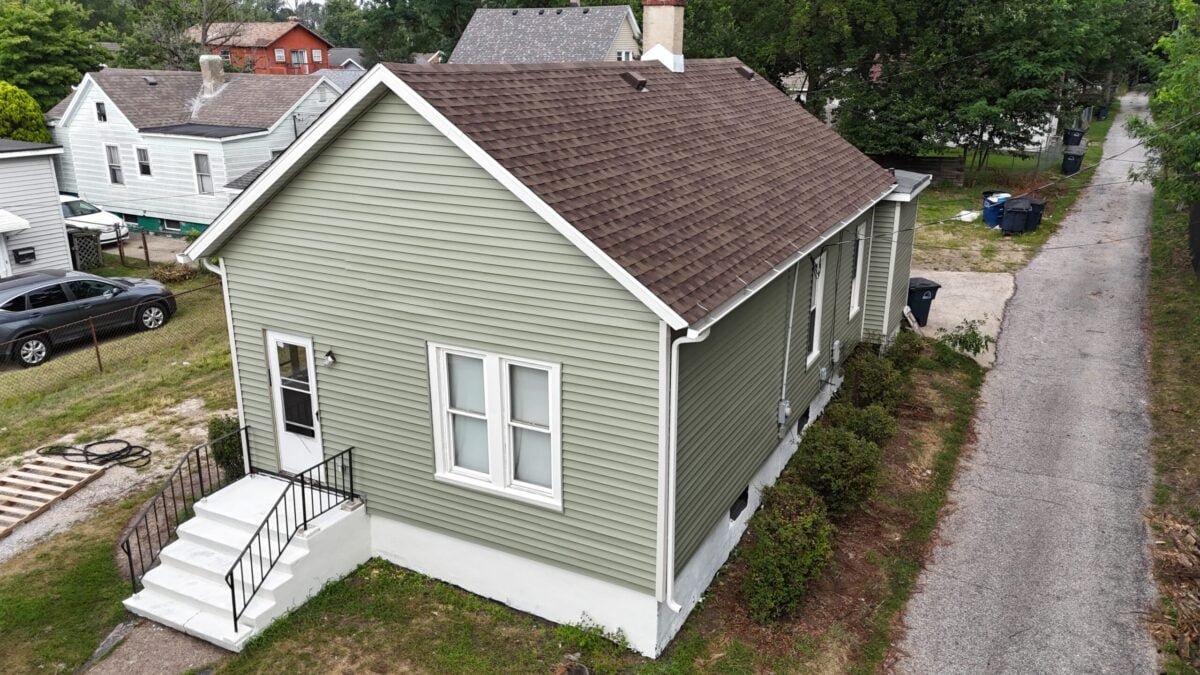
Vertical Vs Horizontal Siding: 5 Home Style Considerations
Choosing new siding is one of the most visible decisions a homeowner will make, shaping both the character of a house and how well it holds up against the elements. The vertical vs horizontal siding decision affects everything from architectural style to water drainage and installation cost, which is why it deserves careful thought before moving forward with any exterior upgrade designed to enhance curb appeal and protect your home. Understanding the practical differences between these two orientations helps homeowners choose a look that fits both their taste and their budget.
Here is what you will learn in this guide:
- How vertical and horizontal siding differ in style and function
- The top considerations that influence which orientation fits your home
- How each style performs against moisture, wind, and everyday wear
- Cost and installation differences worth knowing before you decide
- Tips for choosing the right siding style for your home’s architecture
Why Siding Orientation Is A Bigger Decision Than It Seems

Many homeowners assume siding orientation is purely a matter of personal taste, but the direction siding runs actually affects performance, maintenance, and even resale value. Making an informed choice upfront can save time, money, and frustration down the road.
- Architectural compatibility: Certain home styles naturally pair better with one orientation over the other, affecting overall curb appeal.
- Water drainage performance: Siding orientation influences how effectively water sheds away from the wall surface.
- Installation complexity: Some orientations require more labor and specialized techniques, which can affect overall project cost.
- Maintenance requirements: How siding is installed can influence how easily dirt, moisture, and debris accumulate over time.
- Resale appeal: Distinctive siding choices can set a home apart in a competitive real estate market.
5 Key Considerations For Vertical Vs Horizontal Siding
Deciding between vertical and horizontal siding involves weighing several practical and aesthetic factors. Below are the five most important considerations homeowners should think through before making a final decision.
1. Architectural Style And Curb Appeal
Horizontal siding remains the traditional choice for most American homes, offering a classic look that suits ranch style, colonial, and craftsman homes particularly well. Vertical siding, on the other hand, has become increasingly popular for modern farmhouse, contemporary, and rustic cabin style homes looking to make a bolder visual statement.
- Horizontal siding creates a wider, more grounded appearance.
- Vertical siding draws the eye upward, making homes appear taller.
- Mixing both orientations on different sections of a home is a growing design trend.
2. Water Drainage And Weather Resistance
Horizontal siding has long been favored for its natural ability to shed water downward along overlapping panels, reducing the risk of moisture penetration behind the siding. Vertical siding requires careful installation with proper furring strips and flashing to achieve similar water resistance, since panels run in the same direction water needs to drain.
- Horizontal panels overlap naturally to direct water away from the wall.
- Vertical siding needs additional battens or furring strips for proper drainage.
- Improper vertical installation increases the risk of water infiltration over time.
3. Installation Complexity And Labor Cost

Horizontal siding installation is generally more straightforward, since most siding materials and contractor experience are built around this traditional orientation. Vertical siding often requires additional furring strips to create a drainage plane behind the panels, which can increase both material and labor costs.
- Horizontal siding installation is typically faster for most contractors.
- Vertical siding may require specialized fasteners and additional preparation.
- Homeowners in Osceola and surrounding areas should ask contractors about experience with vertical installations specifically.
4. Material Availability And Options
Horizontal siding is available in nearly every material type, including vinyl, fiber cement, wood, and metal, giving homeowners extensive choices in color and texture. Vertical siding options have expanded significantly in recent years but may still offer a narrower selection of colors and textures depending on the material chosen.
- Vinyl and fiber cement are widely available in horizontal profiles.
- Board and batten remains the most popular vertical siding style.
- Metal vertical panels have grown in popularity for modern architectural designs.
5. Long-Term Maintenance Differences
Horizontal siding tends to accumulate less standing debris since water and dirt naturally flow downward along the panel lines. Vertical siding, particularly board and batten styles, can sometimes trap debris and moisture at the horizontal trim pieces used at the top and bottom of each run.
- Regular cleaning helps prevent debris buildup on either siding style.
- Proper flashing at trim transitions reduces long-term moisture issues.
- Both orientations perform well when installed correctly with quality materials.
Enhancing Curb Appeal With Mixed Siding Designs
Beyond choosing a single orientation, many homeowners are discovering the visual impact of combining vertical and horizontal siding on different sections of the same home. This approach adds depth and dimension while highlighting specific architectural features.
Accent Gables And Dormers
Using vertical siding on gables or dormers while keeping the main body of the home in horizontal siding creates visual interest without overwhelming the overall design. This technique works particularly well on craftsman and farmhouse style homes.
Porch And Entryway Highlights
Wrapping a front porch or entryway in vertical board and batten siding while the rest of the home uses horizontal panels draws attention to the entrance and adds a welcoming, custom feel.
Color And Texture Contrast
Pairing two different siding colors or textures between vertical and horizontal sections adds depth to a home’s exterior. Homeowners in Osceola and surrounding areas are increasingly requesting this mixed approach to create a more custom, high end appearance without the cost of a full custom build.
Material Pairing Considerations
When mixing orientations, choosing complementary materials, such as fiber cement in both sections, helps maintain a cohesive look and ensures consistent durability and maintenance needs across the entire exterior. Mismatched materials can lead to uneven weathering over time, with one section aging differently than another, so working with a contractor who understands how different products perform together helps avoid this common pitfall.
Lighting And Shadow Effects
Vertical siding tends to cast more pronounced shadow lines in direct sunlight, adding depth and texture that can make architectural details stand out during different times of day. Horizontal siding creates a more subtle shadow pattern, offering a calmer, more uniform appearance that many homeowners prefer for larger wall sections.
Comparing Vertical And Horizontal Siding At A Glance

Reviewing how these two siding orientations compare across several key factors can help homeowners narrow down their decision more easily.
| Factor | Horizontal Siding | Vertical Siding |
| Best suited style | Traditional, ranch, colonial | Modern farmhouse, rustic, contemporary |
| Water drainage | Naturally sheds water downward | Requires furring strips for proper drainage |
| Installation cost | Generally lower | Often higher due to added prep work |
| Material selection | Wide range of options | Growing but somewhat narrower selection |
| Maintenance | Lower risk of debris buildup | Requires attention at trim transitions |
| Visual effect | Grounded, classic appearance | Taller, bolder visual statement |
Budget Considerations
Homeowners working with a tighter renovation budget often find horizontal siding to be the more cost effective choice due to lower installation complexity. Those willing to invest a bit more for a distinctive look may find vertical siding worth the added cost.
Climate And Regional Factors
Homes throughout Osceola and surrounding areas that experience heavy seasonal rain and snow should pay particularly close attention to proper installation techniques for vertical siding, since water drainage performance depends heavily on correct furring and flashing methods.
Long-Term Home Value
Both orientations can add value to a home when installed correctly and maintained over time, though the right choice ultimately depends on matching the siding style to the home’s existing architecture and neighborhood character. Real estate professionals often note that siding choices which complement surrounding homes tend to perform better in terms of resale value, while overly unconventional choices in a traditional neighborhood may appeal to a narrower pool of buyers.
Getting A Professional Opinion
Since the right siding orientation depends on so many factors specific to your home, from architectural style to local climate conditions, consulting with an experienced contractor before making a final decision is always a worthwhile step. A professional can evaluate your home’s structure, recommend suitable materials, and provide a realistic estimate of installation costs for either option.
Choose The Right Siding Style For Your Home
Deciding between vertical and horizontal siding comes down to balancing architectural style, budget, and long-term performance for your specific home. Whether you are drawn to the timeless look of horizontal panels or the bold, modern statement of vertical siding, choosing the right orientation protects your home while boosting its curb appeal for years to come. Homeowners throughout Osceola and surrounding areas continue to trust experienced professionals to guide them through this important exterior decision.
If you are ready to explore your siding options or need expert guidance on which orientation best fits your home’s style and budget, the team at One Way Construction and Roofing is here to help. Reach out and contact us today to schedule a consultation and take the next step toward a beautifully updated exterior.
