

7 Benefits of TPO Roofing for Commercial Buildings
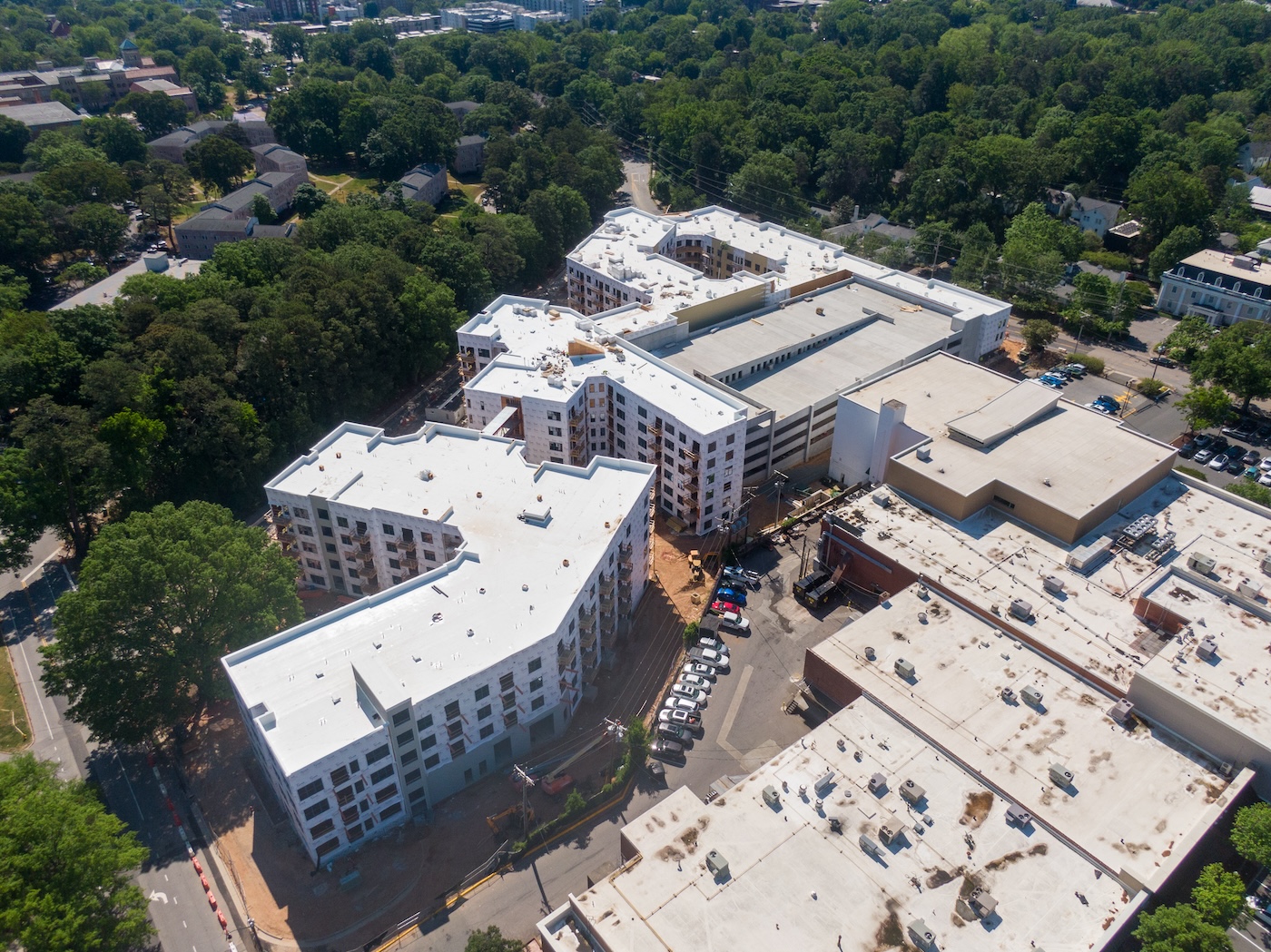
Choosing the right commercial roofing system can significantly impact long-term building performance, energy savings, and maintenance costs. If you’re exploring options for your next project, tpo roofing is one of the most reliable, cost-effective choices available. This material has grown in popularity thanks to its durability, energy efficiency, and straightforward installation process, making it a strong match for many commercial properties across regions like South Bend.
Before investing in any roofing system, it’s helpful to understand what sets TPO apart. Below are a few key points this guide will cover to help you feel confident in your decision:
- Versatility: TPO adapts well to a wide range of commercial roof structures.
- Long-term value: Many businesses choose TPO for its strong balance of price and lifespan.
- Installation clarity: Understanding how the process works helps you plan for project timelines.
- Maintenance insights: Knowing what to expect reduces future repair costs.
- Material comparison: Evaluating TPO alongside EPDM and PVC highlights the best fit for your building.
Why TPO Roofing Matters for Commercial Buildings
Commercial buildings in cities like South Bend face varying weather patterns throughout the year, from humid summers to freezing winters. TPO roofing is designed to handle these challenges with dependable performance and minimal upkeep. It’s a practical and efficient option for property managers who want durability without unnecessary complications.

Energy Efficiency
TPO membranes reflect sunlight, allowing buildings to maintain cooler interior temperatures while decreasing summer energy bills. For properties with high cooling demands, this benefit can create noticeable savings over time.
Cost-Effective Installation
The installation process is straightforward and streamlined, helping reduce labor costs and project duration. For businesses needing minimal downtime, this feature alone can make TPO a smart choice.
Environmental Benefits
TPO contains fewer chemicals than many older roofing materials and can often be recycled at the end of its service life. Its environmentally friendly composition supports modern sustainability goals.
Resistance to Harsh Conditions
TPO roofing offers strong resistance to ultraviolet rays, ozone exposure, and chemical pollutants. This makes it a solid option for commercial properties near industrial areas or high-traffic regions.
Flexibility and Lightweight Design
Because TPO is lightweight and easy to maneuver, it places less stress on a building’s structural components. This quality also helps speed up installation timelines.
7 Essential Steps in the TPO Roofing Installation Process

A well-executed installation is necessary for achieving long-lasting performance. The following steps outline how professional installers ensure a dependable and efficient TPO roofing system. Understanding each phase provides helpful clarity for planning your roofing project.
- Preparing the Roof Surface
Contractors begin with a complete inspection to locate uneven areas, cracks, moisture, or existing damage. A clean and dry surface ensures the new membrane bonds properly and remains secure. - Installing the Insulation Layer
Insulation boards are placed over the deck to support energy efficiency and improve interior comfort. Installers select materials that match building requirements before fastening or adhering them into place. - Positioning the TPO Membrane
The membrane is rolled out and carefully aligned to avoid wrinkles or tension points. Precision is important for long-term protection, especially around parapet walls or penetrations. - Heat-Welding the Seams
Specialized heat welders fuse overlapping membrane seams into a watertight seal. Installers always test weld strength to confirm durability. - Securing Perimeters and Details
Edges, corners, drains, and flashing areas receive additional reinforcement to support drainage and prevent future leaks. - Performing Final Quality Checks
Professionals review every part of the roof surface to confirm secure adhesion and correct membrane placement. Any issues are corrected immediately. - Documenting the Project
Detailed documentation, photos, and installation notes are compiled for warranty purposes and future maintenance planning.
Maintenance Tips for TPO Roofing Longevity
While TPO is known for its resilience, consistent upkeep will help extend its lifespan and protect your investment. The following practices support long-term performance:

Routine Maintenance Practices
- Regular cleaning: Light debris and dirt buildup can interfere with reflectivity and shorten membrane life.
- Visual checks: Look for bubbling, loose seams, or punctures during each inspection.
- Coating applications: Some TPO systems benefit from additional UV-resistant coatings to enhance durability.
Addressing Common Issues
- Seam repairs: If seam welds weaken, prompt repairs prevent water infiltration.
- Puncture patches: Small punctures can be quickly patched using manufacturer-approved materials.
- Drain maintenance: Clear rooftop drains regularly to support proper water movement.
TPO Roofing Compared to EPDM and PVC
The table below offers a clear look at how TPO stacks up against other leading commercial roofing systems.
| Feature | TPO Roofing | EPDM Roofing | PVC Roofing |
| Costs | Moderate cost with long-term savings | Lower upfront cost | Higher initial investment |
| Energy Efficiency | Highly reflective and energy efficient | Low reflectivity | Excellent reflectivity |
| Durability | Resistant to chemicals, punctures, and tears | Good durability but more prone to damage | Very durable with strong welds |
| Installation | Heat-welded seams and efficient installation | Simple installation methods | Requires specialized heat welding |
| Environmental Impact | Recyclable with fewer chemicals | Low impact, less recyclable | Good recyclability but contains plasticizers |
Each material has strengths, but TPO often appeals to building owners who want both affordability and energy savings paired with dependable performance.
Why Businesses in South Bend Choose One Way Roofing
A dependable roofing system is crucial for protecting your commercial property, maintaining occupant comfort, and minimizing long-term expenses. At One Way Roofing, we help business owners select and install the best roofing solutions for their needs, including high-quality TPO systems designed to handle the weather patterns common Indiana.
We’re proud to serve home and business owners in South Bend, IN and nearby communities with TPO roofing installations, repairs, and more. If you’re considering upgrading your commercial roof, One Way Roofing offers professional guidance, efficient installation, and reliable materials. Contact us today to schedule your free inspection and discover whether TPO roofing is the right choice for your property.
