

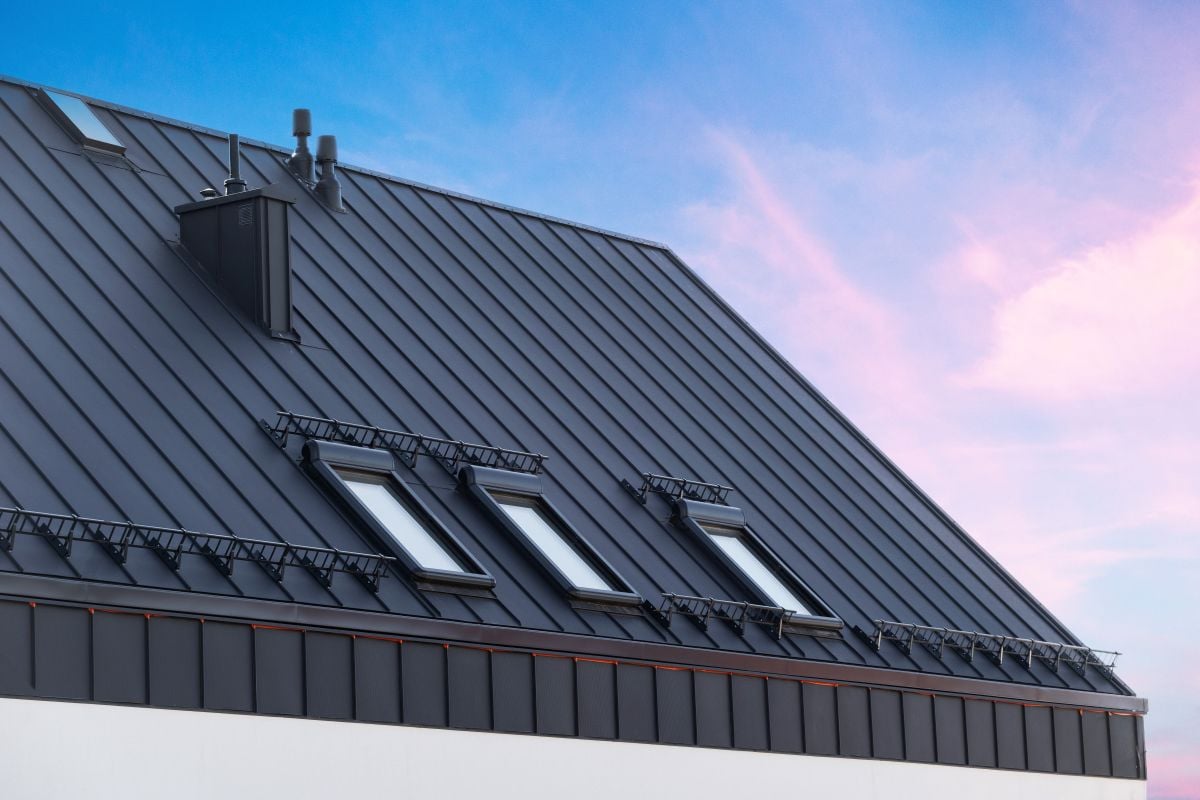
Reasons Steep Slope Roofing Systems Improve Drainage
Water pooling on a roof is one of the fastest ways to shorten its lifespan, which is why the pitch of your roof plays such a critical role in long-term performance. Steep slope roofing systems are designed to move water off the roof surface quickly, reducing the risk of leaks, ponding, and material breakdown over time. Homeowners planning an upgrade often turn to a durable roofing installation built to handle the region’s seasonal rain and snow to make the most of this natural drainage advantage.
Here is what you will learn in this guide:
- Why steep slope roofing systems drain water more effectively
- The top reasons this roofing style improves long-term performance
- How slope affects material choice and installation methods
- Additional benefits beyond drainage that steep slope roofs provide
- How to compare steep slope systems against lower slope alternatives
Why Proper Roof Drainage Matters So Much

Water that lingers on a roof surface for extended periods increases the risk of leaks, material degradation, and even structural damage over time. Steep slope roofing systems address this challenge directly by using gravity to move water off the roof quickly, reducing the amount of time any section of the roof stays wet after a storm.
- Faster water runoff: A steeper pitch allows rain and melting snow to clear the roof surface much more quickly than a low slope design.
- Reduced leak risk: Less standing water means fewer opportunities for moisture to work its way beneath shingles or seams.
- Extended material lifespan: Roofing materials exposed to less prolonged moisture typically last longer before needing replacement.
- Lower risk of ice damming: Steeper slopes help prevent the buildup of ice and snow that can lead to backed up water and damage.
- Improved structural protection: Efficient drainage reduces the added weight and stress that standing water and snow can place on the roof structure.
5 Reasons Steep Slope Roofing Systems Improve Drainage
Understanding exactly how a steep pitch contributes to better drainage helps homeowners appreciate why this roofing style remains a popular and practical choice. Below are the five main reasons this design performs so well.
1. Gravity Moves Water Off Faster
The primary advantage of a steep slope is simple physics. A steeper angle allows gravity to pull water downward and off the roof at a much faster rate than a gently sloped or flat surface. This reduces the amount of time water spends sitting against shingles, seams, or flashing.
- Water clears the roof surface within minutes on steeper pitches.
- Reduced contact time lowers the risk of granule loss on asphalt shingles.
- Faster drainage also reduces the load placed on gutters during heavy storms.
2. Reduced Risk Of Ponding And Standing Water
Low slope and flat roofs are far more prone to ponding, where water collects in low spots and sits for extended periods. Steep slope roofing systems are naturally designed to prevent this issue since the pitch does not allow water to settle in any one area for long.
- Ponding water accelerates material breakdown and increases leak risk.
- Steep slopes distribute water evenly across the roof surface as it drains.
- Reduced ponding also lowers the risk of algae and moss growth over time.
3. Better Performance In Heavy Snow And Ice
Steep slope roofs shed snow more effectively than low slope designs, reducing the buildup of heavy snow loads that can stress the roof structure. This also helps prevent ice damming, a condition where melting snow refreezes at the roof’s edge and backs up under shingles.
- Snow slides off steep roofs more readily, reducing accumulated weight.
- Reduced snow retention lowers the risk of ice dam formation at the eaves.
- Homeowners in Michigan City and surrounding areas benefit significantly from this advantage during harsh winter months.
4. Improved Compatibility With A Wider Range Of Materials

Steep slope roofs can accommodate a broader range of roofing materials, including asphalt shingles, wood shake, slate, and tile, many of which rely on gravity assisted drainage to perform properly. Low slope roofs are typically limited to membrane or built-up roofing systems designed specifically for minimal pitch applications.
- Asphalt shingles perform best on slopes of at least four in twelve.
- Slate and tile roofing require adequate pitch to shed water effectively.
- Material flexibility gives homeowners more design and budget options.
5. Lower Long-Term Maintenance Needs
Because steep slope systems shed water and debris more efficiently, they generally require less frequent maintenance related to drainage issues compared to low slope alternatives. Reduced standing water and debris accumulation translates into fewer emergency repairs and a longer roof lifespan overall.
- Fewer clogged areas mean less debris buildup requiring removal.
- Reduced water exposure limits the growth of moss, algae, and mold.
- Lower maintenance needs can save homeowners time and money over the life of the roof.
6. Reduced Water Exposure Around Roof Penetrations
Chimneys, vents, and skylights create natural interruptions in a roof’s surface where water can otherwise linger and increase leak risk. On a steep slope roof, water moves past these penetrations quickly rather than pooling against the flashing, which reduces the amount of time these vulnerable areas stay wet after a storm.
- Faster runoff around penetrations lowers the risk of flashing failure over time.
- Reduced water contact helps flashing sealants and materials last longer.
- Homeowners in Michigan City and surrounding areas with multiple roof penetrations benefit from this added protection.
Additional Benefits Of Steep Slope Roofing Beyond Drainage
While improved drainage is one of the most significant advantages of a steep slope roof, this design offers several additional benefits worth considering when planning a roofing project.
- Enhanced Curb Appeal: Steep slope roofs create a more dramatic architectural silhouette, often associated with traditional, colonial, and craftsman style homes. This added visual interest can boost curb appeal and overall home value.
- Increased Attic And Living Space: The added pitch of a steep slope roof often creates additional headroom in the attic, which can be finished into usable living space or utilized for more effective insulation and ventilation.
- Better Solar Panel Positioning: Steeper roof pitches often provide more favorable angles for solar panel installation, improving energy capture efficiency compared to flatter roof surfaces in many regions.
- Reduced Debris Accumulation: Leaves, branches, and other debris are less likely to settle and accumulate on a steep slope roof, further reducing the risk of moisture retention and material damage over time. Homeowners throughout Michigan City and surrounding areas with heavily wooded properties often find this benefit particularly valuable, since debris that does land on the roof tends to slide off naturally rather than collecting in valleys or against roof penetrations where it could otherwise trap moisture.
Comparing Steep Slope And Low Slope Roofing Systems
Reviewing how steep slope and low slope roofing systems compare across several important factors can help homeowners better understand which option fits their specific home and needs.
| Factor | Steep Slope Roofing | Low Slope Roofing |
| Water drainage speed | Fast, gravity assisted | Slower, prone to ponding |
| Material options | Wide range, including shingles, tile, slate | Limited to membrane or built-up systems |
| Snow and ice performance | Sheds snow effectively | Higher risk of snow and ice accumulation |
| Maintenance frequency | Lower, fewer drainage issues | Higher, requires regular ponding checks |
| Common applications | Residential homes | Commercial buildings, additions, porches |
| Typical lifespan | Often 20 to 50 years depending on material | Typically 15 to 25 years depending on system |
Choosing The Right System For Your Home

Most residential homes are naturally designed with steep slope roofing due to the drainage and material advantages this style provides, while low slope systems are more commonly used for additions, porches, or commercial structures where architectural constraints limit pitch options.
Regional Weather Considerations
Homeowners throughout Michigan City and surrounding areas dealing with heavy seasonal snowfall and rain benefit significantly from the superior drainage performance of steep slope roofing systems, which reduce the risk of common cold weather roofing problems.
Working With An Experienced Roofing Contractor
Proper installation remains essential regardless of roof pitch, since correct underlayment, flashing, and ventilation all contribute to how well a roofing system performs over time. Partnering with a knowledgeable contractor ensures your steep slope roof is built to maximize its natural drainage advantages, including proper valley construction and flashing details around chimneys, vents, and skylights where water flow can become more concentrated.
Ask any contractor you are considering about their specific experience installing steep slope systems on homes similar to yours, including the materials and slope angles involved. A contractor familiar with local building codes and regional weather patterns can help ensure your roof is designed and installed to perform at its best for decades to come.
Protect Your Home With A Well Designed Steep Slope Roof
Steep slope roofing systems offer significant advantages when it comes to drainage, material options, and long-term durability, making them a smart choice for most residential homes. From faster water runoff to reduced maintenance needs and better performance in harsh weather, this roofing style continues to provide reliable protection year after year. Homeowners throughout Michigan City and surrounding areas trust experienced professionals to design and install roofing systems that take full advantage of these benefits.
If you are planning a roof replacement or want to learn more about how a steep slope design can improve your home’s drainage and overall performance, the team at One Way Construction and Roofing is ready to help. Reach out and contact us today to schedule a consultation and take the next step toward a more reliable, better performing roof.
