

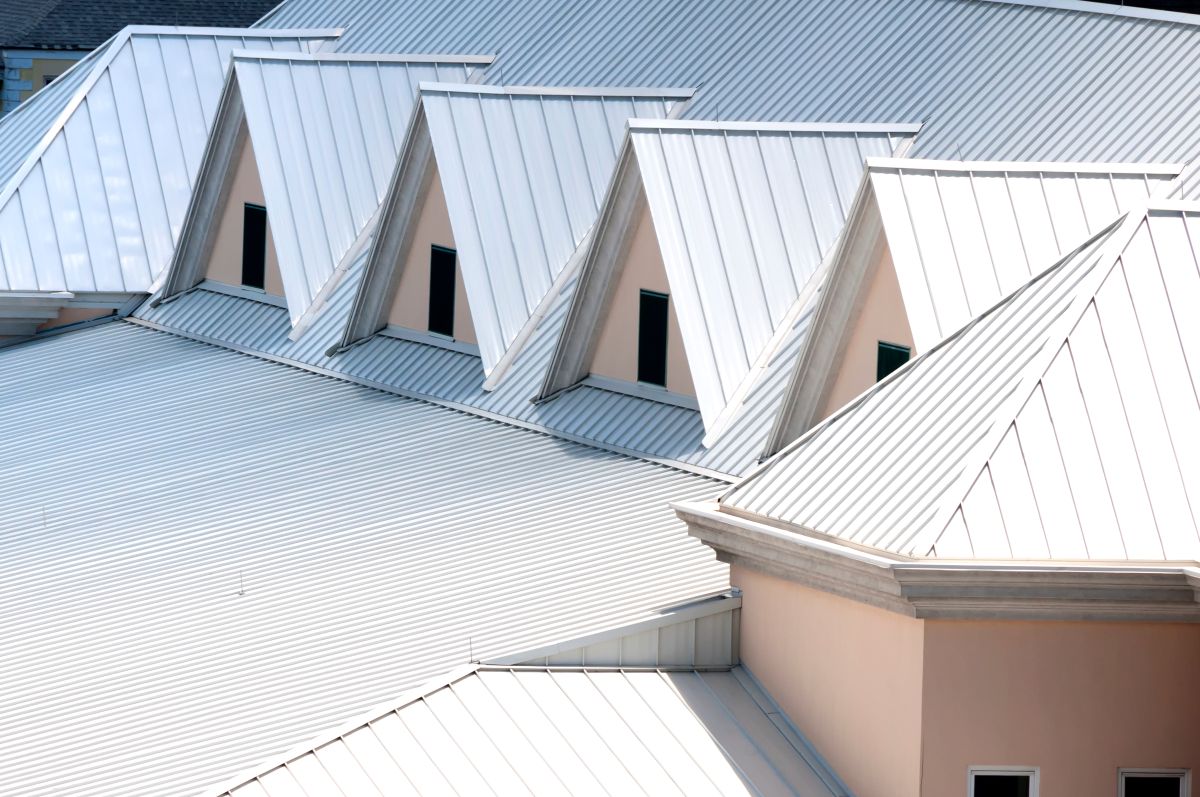
Standing Seam Vs Exposed Fastener Leak Risk (5 Insights)
Choosing the right metal roofing system can make the difference between decades of worry-free protection and years of recurring leak repairs. The standing seam vs exposed fastener debate comes down to how each system handles water, movement, and wear over time. Homeowners planning a metal roof upgrade often benefit from working with a team experienced in long-term roofing solutions built to perform through harsh seasonal weather before deciding which panel style is the right fit for their home.
Here is what you will learn in this guide:
- How standing seam and exposed fastener panels differ in leak resistance
- Why fastener placement plays such a large role in long-term performance
- The top factors that influence which system holds up best over time
- Installation details that affect how well either system performs
- How maintenance needs and lifespan compare between the two options
Why Leak Risk Differs Between Panel Types

Metal roofing has a well-earned reputation for durability, but not all metal roofing systems are built the same way when it comes to resisting water intrusion. The method used to secure panels to the roof deck has a direct impact on how vulnerable a roof is to leaks over its lifespan.
- Fastener exposure: Exposed fastener systems rely on screws driven directly through the panel, creating potential entry points for water.
- Panel movement: Metal expands and contracts with temperature changes, and how a system accommodates this movement affects long-term seal integrity.
- Seam design: Standing seam panels use concealed interlocking seams that eliminate many of the vulnerabilities found in exposed fastener systems.
- Maintenance needs: Systems with exposed fasteners typically require more frequent inspection and gasket replacement to prevent leaks.
- Long-term reliability: Understanding these differences helps homeowners choose a system that matches their budget and long-term performance expectations.
5 Insights Into Standing Seam Vs Exposed Fastener Leak Risk
Comparing these two roofing systems side by side reveals several important insights that directly affect how well each performs against water intrusion over time. Below are the five most important factors homeowners should understand.
1. Fastener Placement Creates Vulnerability
Exposed fastener panels are attached using screws that penetrate directly through the metal panel into the roof deck below. Each screw hole represents a potential entry point for water, especially as the rubber washers used to seal these penetrations degrade due to sun exposure and temperature fluctuations.
- Washers typically need replacement every ten to fifteen years
- Over-driven or under-driven screws can compromise the seal immediately after installation
- Wind uplift can gradually loosen fasteners over time, widening potential leak points
2. Concealed Fasteners Reduce Exposure To The Elements
Standing seam roofing uses hidden clips and interlocking seams to secure panels, meaning no fasteners penetrate the visible surface of the roof. This design significantly reduces the number of vulnerable points exposed to sun, rain, and temperature swings.
- Clips are installed beneath the panel, protected from direct weather exposure
- Interlocking seams create a continuous barrier against water infiltration
- Reduced surface penetration means fewer opportunities for long-term wear
3. Thermal Movement Affects Long-Term Seal Integrity
Metal roofing panels expand and contract as temperatures shift throughout the day and across seasons. Standing seam systems are engineered with floating clips that allow panels to move independently without stressing the fastening points, while exposed fastener systems are rigidly attached, which can stress the screw holes over time.
- Repeated expansion and contraction can enlarge screw holes in exposed fastener systems
- Standing seam clips accommodate movement without compromising the seal
- Homeowners in Plymouth and surrounding areas dealing with wide seasonal temperature swings benefit most from this flexibility
4. Installation Precision Impacts Performance
Both systems depend heavily on proper installation, but exposed fastener systems leave less room for error since each screw must be driven at the correct depth and angle to maintain a watertight seal. Standing seam systems rely on precise seam locking, which when done correctly creates a more forgiving, weather-tight result.
- Improperly driven screws are a leading cause of early leaks in exposed fastener roofs
- Seam crimping equipment must be calibrated correctly for standing seam installations
- Working with an experienced installer reduces the risk of costly installation errors
5. Long-Term Cost Of Leak Repairs
While exposed fastener systems typically cost less upfront, the long-term cost of maintaining seals and addressing leaks can add up over the life of the roof. Standing seam systems often carry a higher initial investment but tend to require fewer repairs related to water intrusion over several decades of use.
- Exposed fastener systems may need washer replacement multiple times over their lifespan
- Standing seam systems generally require less frequent maintenance related to leaks
- Weighing upfront cost against long-term repair expenses helps homeowners choose wisely
Installation Factors That Affect Long-Term Performance

Beyond the fundamental design differences, several installation details play a major role in how well either roofing system performs once it is in place. Paying attention to these factors helps ensure your investment delivers the durability you expect.
Panel Layout And Slope Considerations
Steeper roof slopes generally shed water more quickly, reducing the amount of time water sits against seams or fasteners. Homes throughout Plymouth and surrounding areas with lower slope roofs may benefit more from standing seam systems due to their superior water shedding design.
Underlayment Quality
A high quality underlayment acts as a secondary barrier against moisture, providing backup protection if the primary roofing surface is ever compromised. This is especially important for exposed fastener systems, where the underlayment often serves as the last line of defense against leaks.
Flashing Details Around Penetrations
Chimneys, vents, and skylights create additional points where water can enter if flashing is not installed correctly. Both roofing systems require careful flashing work, but the overall reduction in penetrations with standing seam systems means fewer areas requiring this level of attention.
Fastener Spacing And Pattern
For exposed fastener systems, following the manufacturer’s recommended fastener spacing pattern is critical to maintaining structural integrity and weather resistance. Skipping fasteners or spacing them too far apart increases the risk of panel movement and eventual leaks. Manufacturers typically specify spacing along both the panel ribs and the edges, and deviating from these guidelines can void warranty coverage in addition to increasing the likelihood of future problems.
Sealant And Gasket Quality
The quality of sealants and gaskets used during installation plays a significant role in how long an exposed fastener roof resists leaks. Lower quality rubber washers tend to crack and shrink more quickly under UV exposure, while premium neoprene washers offer better resistance to sun damage and temperature extremes. Homeowners should ask their contractor about the specific fastener and gasket products being used before installation begins.
Comparing Maintenance, Lifespan, And Value

Understanding how these two systems compare across maintenance needs, expected lifespan, and overall value helps homeowners make a more informed decision for their specific situation.
| Factor | Exposed Fastener Panels | Standing Seam Panels |
| Average lifespan | 20 to 30 years | 40 to 60 years |
| Maintenance frequency | Higher, due to washer wear | Lower, fewer exposed components |
| Upfront installation cost | Lower | Higher |
| Leak risk over time | Increases as fasteners age | Remains low with proper installation |
| Aesthetic appearance | Visible fastener lines | Clean, uninterrupted panel look |
| Best suited for | Budget-conscious projects | Long-term investment properties |
Choosing Based On Budget And Timeline
Homeowners planning to stay in their home for a shorter period may find exposed fastener systems a practical, cost-effective choice, while those planning for the long term often see more value in the extended lifespan of standing seam roofing.
Regional Weather Considerations
Areas that experience significant temperature swings, heavy snow loads, or frequent storms may benefit more from the added durability of standing seam systems. Homeowners in Plymouth and surrounding areas facing harsh winters and variable weather patterns should weigh this factor carefully when comparing options.
Working With An Experienced Roofing Team
Regardless of which system you choose, proper installation remains the most important factor in preventing leaks. Partnering with a knowledgeable roofing contractor familiar with both systems ensures your roof is installed correctly from the start, minimizing the risk of costly issues down the road. An experienced team can also help you evaluate your specific roof structure, local building codes, and budget to recommend the option that truly fits your needs rather than a one-size-fits-all solution.
Ask any contractor you are considering about their specific experience with both standing seam and exposed fastener systems, including how many projects of each type they have completed in your area. A contractor who understands the unique challenges posed by regional weather patterns is better equipped to recommend the right panel type, gauge, and finish for long-term performance.
Protect Your Home From Leak Risk With The Right Roofing System
Understanding the leak risk differences between standing seam and exposed fastener roofing helps homeowners make a confident, informed decision for their next roofing project. Whether you prioritize a lower upfront cost or a longer-lasting, lower-maintenance system, choosing the right panel type protects your home from water damage for years to come. Homeowners throughout Plymouth and surrounding areas continue to trust experienced professionals to guide them through this important decision.
If you are weighing your options between standing seam and exposed fastener metal roofing, the team at One Way Construction and Roofing is ready to help you choose the system that best fits your home, budget, and long-term goals. Reach out and contact us today to schedule a consultation and get expert guidance on your next roofing project.
