

Soffit And Fascia: What Are The Main Differences?
If you’ve ever explored the components of your roof, you’ve likely come across the terms soffit and fascia. These two features may not be as visible as shingles or gutters, but they play a critical role in protecting your home from moisture, pests, and structural issues.
- Ventilation and protection: Soffits allow airflow into your attic while keeping pests and moisture out.
- Appearance and durability: Fascia gives your roofline a finished look and supports your gutter system.
- Maintenance matters: Knowing the differences helps you spot issues and extend your roof’s lifespan.
In this blog, we’ll break down the differences between soffit and fascia, how each works, what materials they’re made of, and what signs may indicate it’s time for repairs or replacement.
What Is A Soffit?
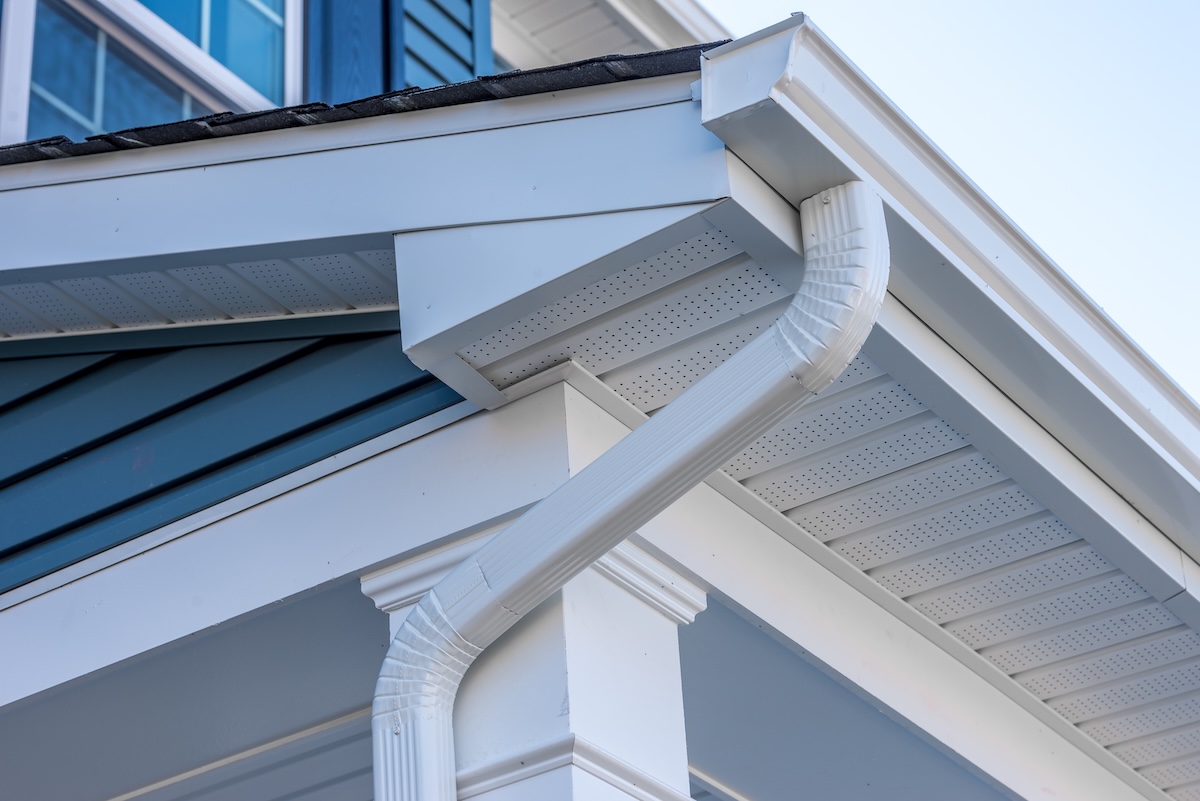
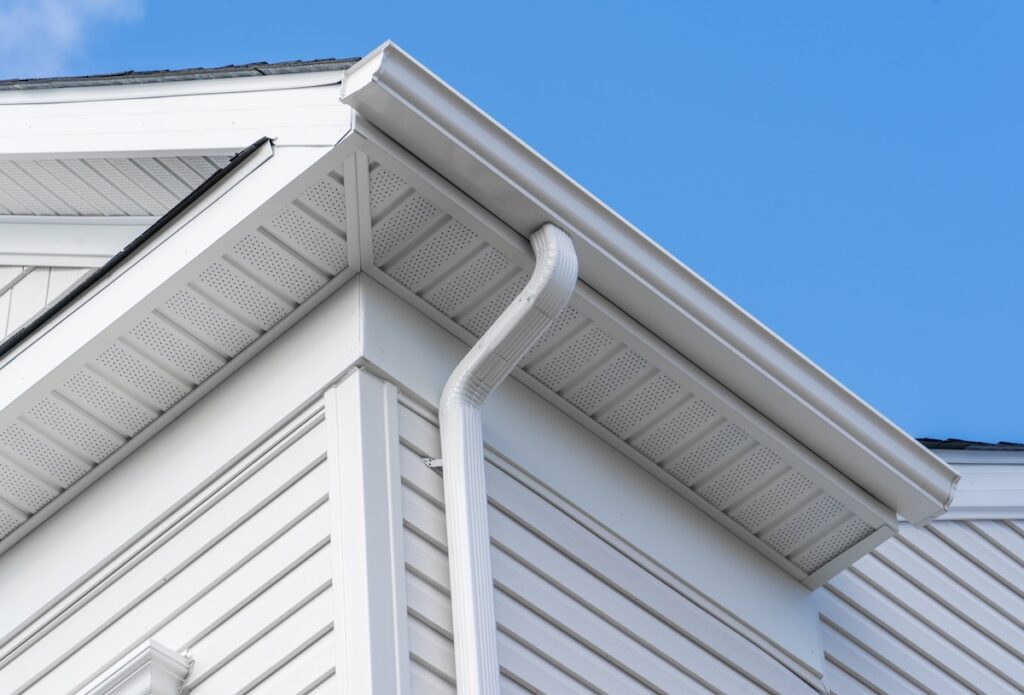
The soffit is the horizontal board that runs underneath the overhanging section of the roof eaves. While it may seem minor, this component has a huge impact on attic health and energy efficiency.
Purpose Of A Soffit
- Ventilation support: Soffits contain vents that allow fresh air to flow into your attic, helping regulate temperature and moisture.
- Moisture prevention: By keeping air circulating, soffits help prevent condensation, mold, and rot in roof rafters.
- Pest protection: Properly installed soffits block access points for birds, squirrels, and insects.
Common Soffit Materials
- Vinyl: Affordable, lightweight, and resistant to water and rot.
- Aluminum: Durable and rust-resistant, often used in custom applications.
- Wood: Traditional look, but requires more upkeep and is vulnerable to moisture damage.
What Is A Fascia?
The fascia is the vertical board that runs along the roof edge, directly behind the gutters. It plays a major role in both structural integrity and home appearance.
Purpose Of A Fascia
- Gutter support: Fascia boards hold up the gutters and help manage water flow during rainstorms.
- Aesthetic finish: They create a clean, polished line along the roof edge, contributing to curb appeal.
- Barrier function: Fascia protects the edge of the roof from moisture intrusion and pest damage.
Common Fascia Materials
Wood:
- Classic choice, especially for traditional homes, but needs regular sealing or painting.
PVC or Composite:
- Low-maintenance and weather-resistant options for homeowners wanting durability.
Aluminum-Wrapped Wood:
- Combines the strength of wood with the protective qualities of aluminum.
Soffit Vs Fascia: Key Differences Explained
While soffit and fascia work together to protect your home, they serve distinctly different functions. Here’s a breakdown of the main differences:
- Location: Soffits are found beneath the roof overhang, while fascia runs along the edge of the roofline.
- Function: Soffits promote airflow and prevent attic moisture, while fascia supports gutters and blocks outside elements.
- Visibility: Fascia boards are clearly visible from the curb, while soffits are only seen when you’re looking up under the eaves.
- Materials: Both can be made from wood, vinyl, or aluminum, but soffits often prioritize breathability while fascia focuses on strength.
- Maintenance: Fascia tends to show wear and tear faster since it holds gutters and faces more direct weather impact.
Signs Your Soffit Or Fascia Needs Attention
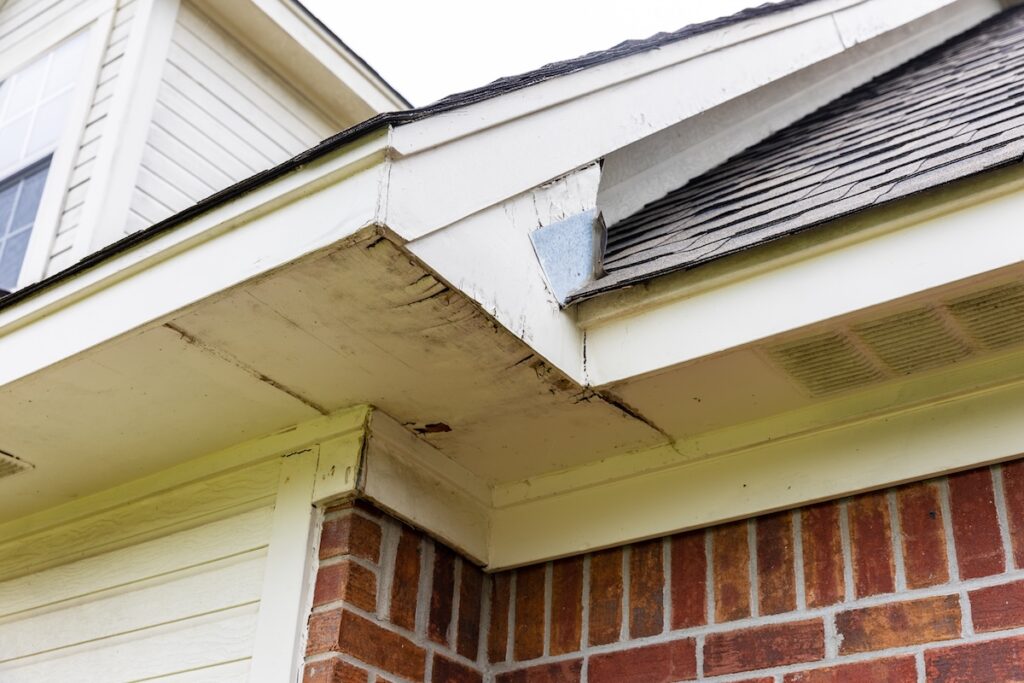
Homeowners often overlook these parts of their roofing system until problems arise. Here are some signs to watch for.
Signs Of Soffit Damage
- Peeling paint or discoloration: Could indicate trapped moisture or pest activity.
- Lack of airflow: If your attic feels hot or humid, the soffit vents might be blocked or damaged.
- Visible rot or holes: This may allow rodents or insects to enter your attic.
Signs Of Fascia Problems
- Sagging gutters: A damaged fascia board may not be able to support the weight of water-filled gutters.
- Soft or warped boards: Wood fascia can rot over time, especially when exposed to consistent moisture.
- Water damage or streaking: Overflowing gutters or poor sealing can lead to fascia board deterioration.
Choosing The Right Materials For Your Home
- Climate Conditions: In humid or coastal areas, choose aluminum or vinyl to resist rot and rust.
- Budget Considerations: Wood is affordable upfront, but long-term maintenance costs can add up.
- Curb Appeal: PVC and aluminum can be painted or matched to your trim color for a seamless look.
- Longevity: Composite or aluminum-wrapped options tend to last the longest with the least upkeep.
- Eco-Friendliness: Recycled aluminum and sustainably sourced wood are options for environmentally conscious homeowners.
Why Proper Installation Matters
Prevents Future Repairs
A poor installation job can cause issues much sooner than expected. When soffit and fascia boards aren’t aligned correctly or are left loose, it opens the door for water infiltration, pest entry, and structural damage. Gaps or sagging sections may go unnoticed until they cause rot or mold growth. Professional installation ensures each component is securely fastened, sealed, and protected—helping you avoid costly repairs and damage to your roofline or attic in the future.
Improves Proper Ventilation
Balanced airflow is essential to a healthy roofing system, and your soffit plays a big part in that equation. When soffits are correctly installed with functional vents, they allow fresh air into the attic and help expel heat through the ridge vents. This reduces moisture buildup, prevents mold, and extends the life of your roofing materials. Without proper installation, ventilation may be insufficient or blocked, leading to long-term attic and insulation problems.
Maintains Home Value
Soffit and fascia do more than protect your home—they also influence its curb appeal and resale value. Boards that are warped, peeling, or misaligned can make your property look neglected. When professionally installed and maintained, soffits and fascia enhance the clean lines of your roof and contribute to an overall well-maintained appearance. A sharp, finished roof edge not only makes your home look great but also gives potential buyers peace of mind.
Trust One Way Roofing With Your Soffit And Fascia Needs
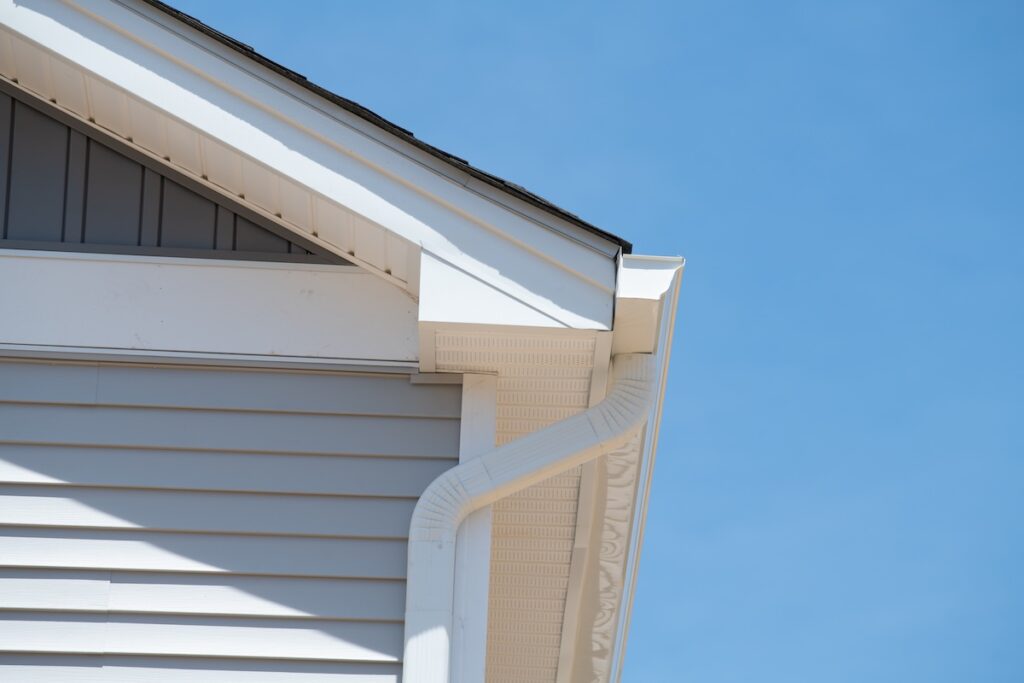
When it comes to protecting your roofline, every detail counts—and soffit and fascia are no exception. Whether you’re seeing signs of wear or planning a full exterior upgrade, One Way Roofing delivers expert assessments, long-lasting repairs, and high-quality installation.
Our experienced team ensures that your soffit and fascia do more than just look good—they protect your home from the elements, enhance energy efficiency, and improve long-term performance. We’re committed to honest guidance, professional workmanship, and results that give you peace of mind.
Contact One Way Roofing today for a free estimate and let’s give your roofline the protection it deserves.
