

Roof Underlayment For Shingles: 7 Best Choices
When installing a new roof, many homeowners focus on shingles, but roof underlayment is what truly protects your home behind the scenes. It acts as a critical moisture barrier, helping prevent leaks, condensation buildup, and long-term structural issues that can develop beneath the surface.
Choosing the right underlayment is just as important as selecting the right shingles. In this guide, we’ll break down the best options and how to choose the right one for your home.
- What roof underlayment does
- The most common types available
- Pros and cons of each option
- How to choose the right material for your home

What Is Roof Underlayment?
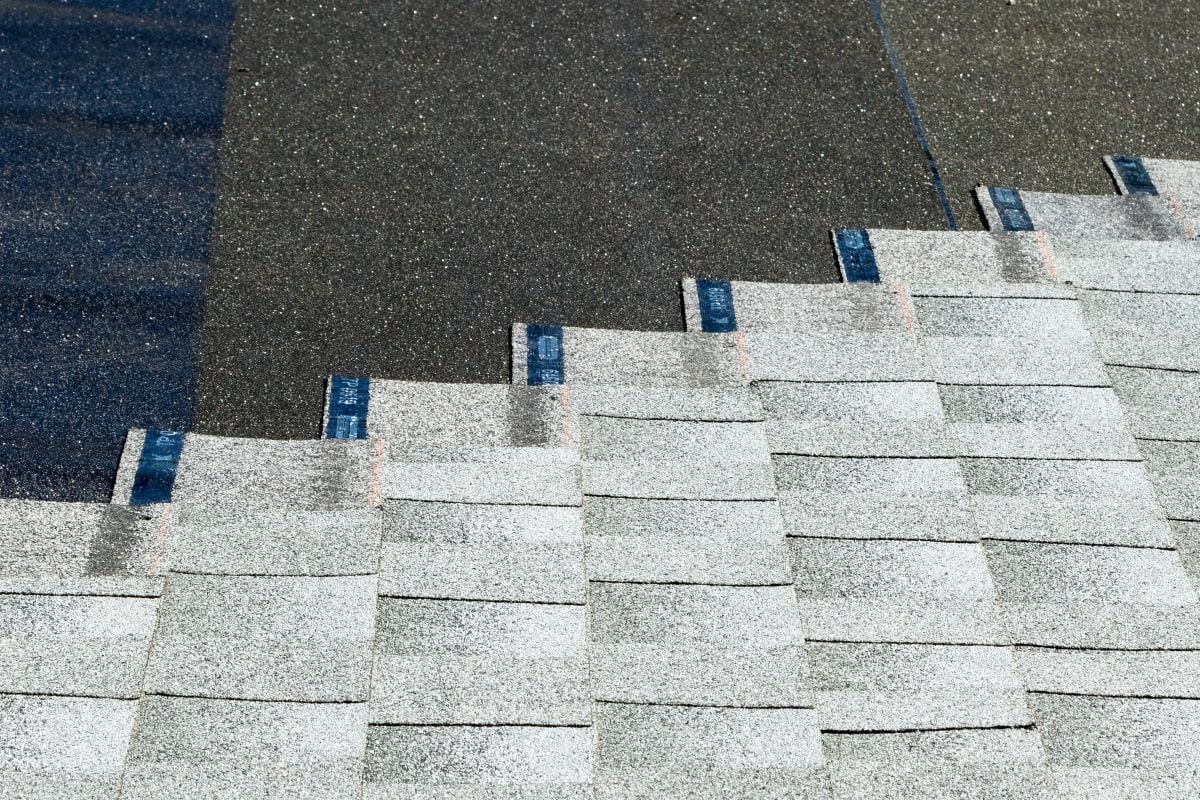
Roof underlayment is a protective layer installed directly on the roof deck, underneath your shingles. Its main purpose is to provide a secondary barrier against water infiltration, especially during heavy rain, snow, or exposure to harsh elements.
Even high-quality shingles are designed to shed water, not fully block it. Wind-driven rain, ice dams, or damaged materials can allow moisture underneath, and that is where underlayment becomes essential. It prevents water from reaching the wood decking and attic space, where it can lead to rot, mold, and expensive repairs if not addressed early.
In addition to moisture protection, underlayment also helps create a smoother surface for installation and provides temporary coverage if your roofing materials are not installed right away.
Why Roof Underlayment Is Critical for Your Roof
Many roofing issues begin below the surface, making underlayment one of the most important components of your entire system. Without it, even a small leak can quickly turn into widespread damage.
A high-quality underlayment:
- Adds a secondary waterproof barrier against the elements
- Helps reduce condensation buildup in the attic
- Protects against wind-driven rain and moisture intrusion
- Extends the lifespan of your roofing system
It also plays a major role in maintaining proper airflow and moisture control within your home. When combined with good ventilation, underlayment helps regulate temperature and prevents hidden damage from forming over time.
7 Best Roof Underlayment Options
There are several types of roof underlayment available, each offering different levels of protection, cost, and durability. Many manufacturers design specific products for different roofing systems, including asphalt shingles and metal roof applications.
1. Asphalt-Saturated Felt
- Budget-friendly option commonly installed in a traditional roll format
- Provides basic moisture resistance and reliable coverage
- Often referred to as felt underlayment in standard roofing systems
Felt underlayment has been used for decades and remains a common choice due to its affordability and availability. It comes in a roll, making it relatively easy to install across large roof surfaces. However, it can absorb moisture and wrinkle if exposed too long, which may impact performance if not properly managed.
2. Synthetic Underlayment
- Lightweight synthetic material designed for strength and flexibility
- Highly resistant to tearing, UV exposure, and moisture
- Preferred by many contractors for modern roofing systems
Synthetic underlayment offers improved durability compared to traditional felt and performs well in extreme weather conditions. It is easier to handle during installation and provides more consistent protection across the roof deck. Many homeowners choose synthetic options for their long-term benefits and reliability.
3. Rubberized Asphalt Underlayment
- Premium waterproofing material with self-sealing properties
- Forms a tight barrier around nails and fasteners
- Ideal for areas where leaks are most likely to occur
This type of underlayment is designed for maximum moisture protection and is commonly used in high-risk areas. It creates a strong seal that helps prevent water intrusion even after installation. While more expensive, the added protection can be worth it for long-term performance.

4. Peel-and-Stick Underlayment
- Adhesive-backed material that bonds directly to the roof deck
- Eliminates the need for fasteners during installation
- Creates a continuous barrier against moisture and air intrusion
Peel-and-stick underlayment is known for its ease of installation and strong waterproof performance. It helps prevent water infiltration and reduces the risk of condensation forming beneath the surface. This makes it especially useful in climates where temperature changes are common.
5. Non-Bitumen Synthetic Underlayment
- Advanced synthetic option focused on durability and environmental resistance
- Lightweight and resistant to UV damage during installation
- Designed for long-term exposure to varying weather conditions
Non-bitumen synthetic materials are gaining popularity due to their strength and performance. They provide reliable protection without the added weight of traditional materials. These products are often recommended for projects where durability and longevity are top priorities.
6. Ice and Water Shield
- Specialized underlayment designed for extreme moisture protection
- Helps prevent leaks caused by ice dams and standing water
- Typically installed in vulnerable areas like edges and valleys
Ice and water shield is essential in colder climates where freezing and thawing cycles can cause damage. It adds an extra layer of defense in areas most exposed to moisture buildup. Many building codes require this type of underlayment in specific sections of the roof.
7. High-Performance Hybrid Underlayment
- Combines multiple material technologies for enhanced performance
- Offers superior resistance to tearing, moisture, and environmental stress
- Ideal for premium roofing systems and long-term durability
Hybrid underlayment products are engineered to deliver the best overall performance. They are designed to handle a wide range of conditions while maintaining strength and flexibility. Although they come at a higher cost, they offer significant long-term benefits for homeowners.
How To Choose The Right Underlayment
The best roof underlayment for your home depends on several factors.
Climate
If you live in an area with heavy rain, snow, or fluctuating temperatures, choosing a material that resists moisture and condensation is essential. Some underlayments are specifically designed to handle extreme weather and prolonged exposure to the elements.
Roof Design
Complex roof structures require more durable underlayment to protect areas where water is more likely to collect. Simpler designs may allow for more cost-effective options without sacrificing performance.
Budget
Felt underlayment is the most affordable option, while synthetic and premium materials offer better long-term value. Investing in higher-quality materials upfront can reduce the need for repairs or early replacement.
Installation Quality
Even the best materials can fail if they are not installed correctly. Working with a professional roofing contractor ensures everything is properly secured, sealed, and aligned with manufacturer guidelines.

Common Mistakes To Avoid
Choosing the wrong underlayment or cutting corners during installation can lead to serious problems down the road.
- Using low-quality materials to reduce upfront cost
- Skipping underlayment in key areas of the roof
- Improper installation or incorrect overlap
- Ignoring manufacturer recommendations
Avoiding these mistakes helps ensure your roofing system performs as intended and does not need to be replaced prematurely.
Protect Your Roof From The Inside Out
Roof underlayment may not be visible, but it is one of the most important components of your roofing system. It protects your home when shingles fail and adds an extra layer of defense against moisture, condensation, and environmental exposure.
At One Way Roofing, we make sure every part of your roof is installed correctly, from the shingles down to the underlayment. Our team works with trusted manufacturers and proven materials to deliver results that last.
If you are planning a new roof or want to make sure your current system is fully protected, contact One Way Roofing today to schedule your inspection.
