

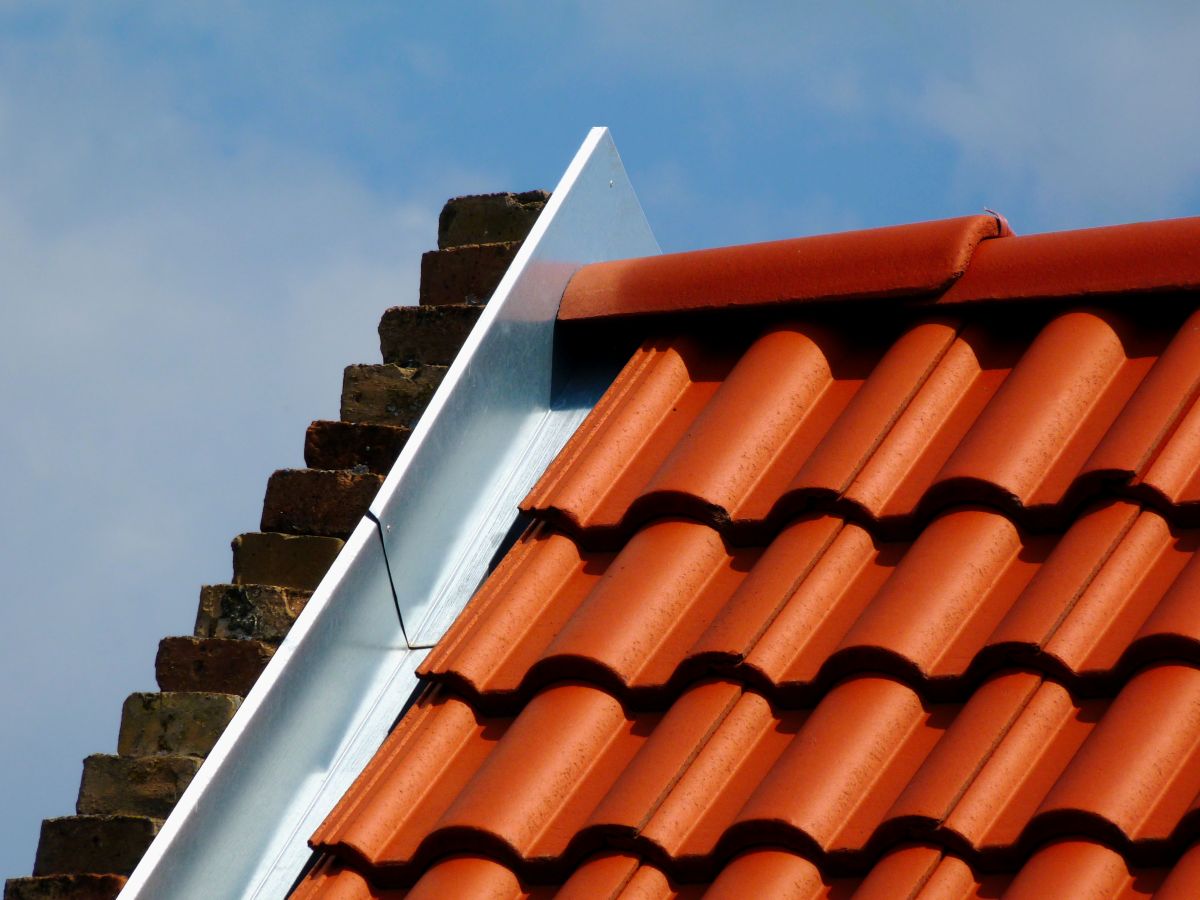
Roof Step Flashing Failures: 7 Signs You Should Not Ignore
If your house has a chimney, dormer, skylight, or any vertical surface where a wall meets a sloped roof, roof step flashing is one of the most important components standing between your home and serious water damage. Most homeowners never think about it until a water stain shows up on the ceiling, and by that point the damage is usually well beyond what a tube of caulk can fix. If you are not sure what condition your flashing is in, a free roof inspection is the fastest way to find out. Here is what this post covers:
- What step flashing is and why it matters
- The 7 signs your step flashing is failing
- What causes step flashing to fail
- FAQs Northern Indiana homeowners ask most

What Is Roof Step Flashing and Why Does It Matter?
Step flashing is a series of overlapping metal pieces installed where a sloped roof meets a vertical wall, designed to direct water away from these vulnerable intersections. Each piece is woven in with a course of shingles, directing water away from the joint and down the roof surface rather than into it.
Without properly installed roof flashing, every rainstorm sends water straight into that joint. The problem is that failures are rarely obvious from the ground. Water damage can start at the roof line, travel along rafters or sheathing, and show up on your ceiling several feet from the actual source. By the time you see a stain, the moisture has usually been moving through your home’s structure for a while.
A roofing contractor who skips proper step flashing in favor of a continuous bead of sealant is setting up the homeowner for a leak that shows up two or three years later. Proper installation of step flashing extends roof lifespan by preventing hidden moisture buildup, wood rot, and mold growth.
Why Step Flashing Fails
According to the Insurance Information Institute, water damage and freezing is the second most common cause of home insurance claims in the U.S., accounting for nearly 28% of all claims with an average payout of $13,954 per claim. A significant portion of those claims trace back to roof leaks that started small and went undetected. Most failures come down to three causes. The first is improper installation, which is the most common. Step flashing that was not correctly integrated with each shingle course, or was skipped entirely in favor of sealant, will eventually fail regardless of material quality. Northern Indiana’s freeze-thaw cycles accelerate the timeline considerably.
The second cause is age and material deterioration. Galvanized steel and aluminum are the two most common product types used for residential step flashing. Galvanized steel lasts roughly 20 to 30 years under normal conditions, while aluminum flashing is lighter and corrosion-resistant but can be more prone to physical damage. The third cause is thermal movement. Metal expands and contracts with temperature changes, and over years of seasonal cycling, step flashing can pull away from the vertical surface or work loose from the shingle courses it is supposed to interlock with.
7 Signs Your Roof Step Flashing Is Failing
Most of these signs show up inside the house before they are ever visible on the roof itself. That is what makes step flashing failures so easy to miss until the water damage has already spread. Here are the seven things to watch for, starting with the most common.
1. Water Stains on Interior Walls or Ceilings Near a Chimney or Dormer
This is what most homeowners notice first. A yellow or brown stain near a chimney or dormer wall almost always points back to a roof flashing problem. The stain is not always directly below the source since water damage travels along roof decking and framing before it drips, sometimes appearing several feet from the actual entry point.
- What to look for: Discoloration that grows after heavy rain, paint bubbling near the ceiling, or soft drywall along an upper interior wall.
- What to do: Do not just patch the stain. A roofing contractor needs to inspect the full step flashing installation before any interior repairs are made.
2. Visible Rust or Corrosion on the Flashing
Rust is a clear indicator that the metal flashing has reached or is approaching the end of its useful life. Once galvanized steel step flashing starts to pit and thin out, it will not hold a watertight seal much longer. Aluminum flashing does not rust the same way but can corrode or develop pitting over time.
- What to look for: Orange or brown streaking on the flashing surface, visible pitting or holes, or rust staining running down the siding or chimney face below the flashing.
- What to do: Corroded metal flashing should be replaced, not sealed over. Sealant applied over deteriorating material fails within a season.
3. Lifted, Bent, or Missing Flashing Pieces
Step flashing that has pulled away from the vertical surface, bent upward at the edges, or gone missing entirely is an immediate water damage risk. This kind of displacement is common after high-wind events, ice dam formation, or on older residential roofing systems where fasteners have worked loose over years of thermal movement.
- What to look for: Flashing pieces that are no longer flat against the roof surface or wall, or bare roof deck visible at a wall intersection.
- What to do: Displaced or missing step flashing needs to be properly re-integrated with the shingle courses, not just pressed back into place and sealed.

4. Cracked or Missing Sealant at Flashing Joints
Sealant plays a supporting role at transition points, particularly where step flashing meets counter-flashing at a chimney. When it dries out or pulls away from the vertical surface, it opens a gap that directs water into the joint rather than away from it.
- What to look for: Cracked, shrinking, or visibly separated sealant lines at chimney bases, dormer corners, or skylight edges.
- What to do: Roof flashing joints should be inspected every year. Sealant failure alone is a straightforward repair. Step flashing failure underneath is not.
5. Granule Buildup in Gutters Near Flashing Locations
Heavy granule deposits in gutter sections directly below a chimney or wall intersection can indicate that water has been flowing improperly through the flashing zone and accelerating wear on the adjacent shingles on that section of the house.
- What to look for: Concentrated granule deposits in gutters below a chimney or dormer, combined with shingles that look faded or thin near those areas.
- What to do: Have a roofing contractor inspect both the step flashing installation and the condition of the shingles in that zone together.
6. Mold or Mildew in the Attic Near Wall Intersections
Attic mold concentrated near a chimney or exterior wall is a strong indicator of long-running water damage at the step flashing line. By the time mold is visible, the leak has typically been active for months, and the roof deck in that area may already be compromised.
- What to look for: Black or green discoloration on attic sheathing or rafters near a chimney base, a persistent musty smell in upper floors, or soft spots in the sheathing.
- What to do: Get a full inspection immediately. Active mold means the repair scope has grown well beyond the roof flashing itself.
7. Visible Gaps Between Siding and Flashing
Where step flashing runs up a vertical surface, the top edge should be covered by siding or counter-flashing. When siding on a residential house shrinks or warps, it can expose the top edge of the metal flashing and create an open channel for water to enter behind it rather than in front of it.
- What to look for: A visible gap between the bottom edge of the siding and the top of the step flashing, particularly on sun-exposed walls.
- What to do: This is a combined siding and roofing issue. The siding needs to be reset or replaced, and the step flashing underneath should be inspected at the same time.
We’re proud to serve homeowners and business owners in South Bend, Indiana, and nearby communities like Mishawaka, Elkhart, and Goshen with roofing repairs, inspections, and full replacements.

Common FAQs About Roof Step Flashing
Step flashing questions come up regularly during inspections across South Bend and the surrounding Northern Indiana area. Here are the ones homeowners ask most, with straight answers.
How long does roof step flashing last?
Galvanized steel and aluminum are the two most common product types used in residential roofing systems for step flashing. Galvanized steel typically lasts 20 to 30 years. Aluminum flashing is lighter and naturally corrosion-resistant, making it a solid choice for most applications. It’s available in various thicknesses, typically ranging from 0.011 to 0.019 inches, and is often used for its lightweight and rust-resistant properties. Copper lasts significantly longer, often 50 years or more, but comes at a higher material cost. If your house is approaching 20 years old and has never had the roof flashing inspected, now is a good time.
Can I seal step flashing instead of replacing it?
Sealant can serve as a temporary measure on a specific gap or crack, but it is not a long-term repair for metal flashing that has corroded, pulled away from a vertical surface, or was improperly installed. Caulk applied over deteriorating material fails within a season or two. A proper repair means removing the shingles, replacing the flashing pieces, and reinstalling everything correctly.
Does homeowners insurance cover step flashing repairs?
It depends on the cause. If the flashing failed due to storm damage or a sudden event, your homeowners insurance policy may cover the repair and any resulting water damage. If it failed due to age or lack of maintenance, most policies will not. One Way works with Estimate Experts to help homeowners navigate insurance claims when storm damage is involved.
One Way Construction and Roofing: Step Flashing Done Right
Step flashing failures are one of the most common and most misdiagnosed sources of roof leaks in Northern Indiana. A leak near a chimney or dormer on your house is not always a shingle problem. It is often a roof flashing problem that has been patched over repeatedly without ever being properly fixed.
At One Way Construction and Roofing, we inspect every penetration and wall intersection as part of a free roof inspection, tell you exactly what we find, and give you a straight answer on whether a repair or replacement makes more sense for your roofing system. Same-day or next-day, free. No pressure, no surprises. One Way, the right way.
Call us at (574) 800-9750 or reach out at info@oneway.construction to schedule your free inspection today.
