

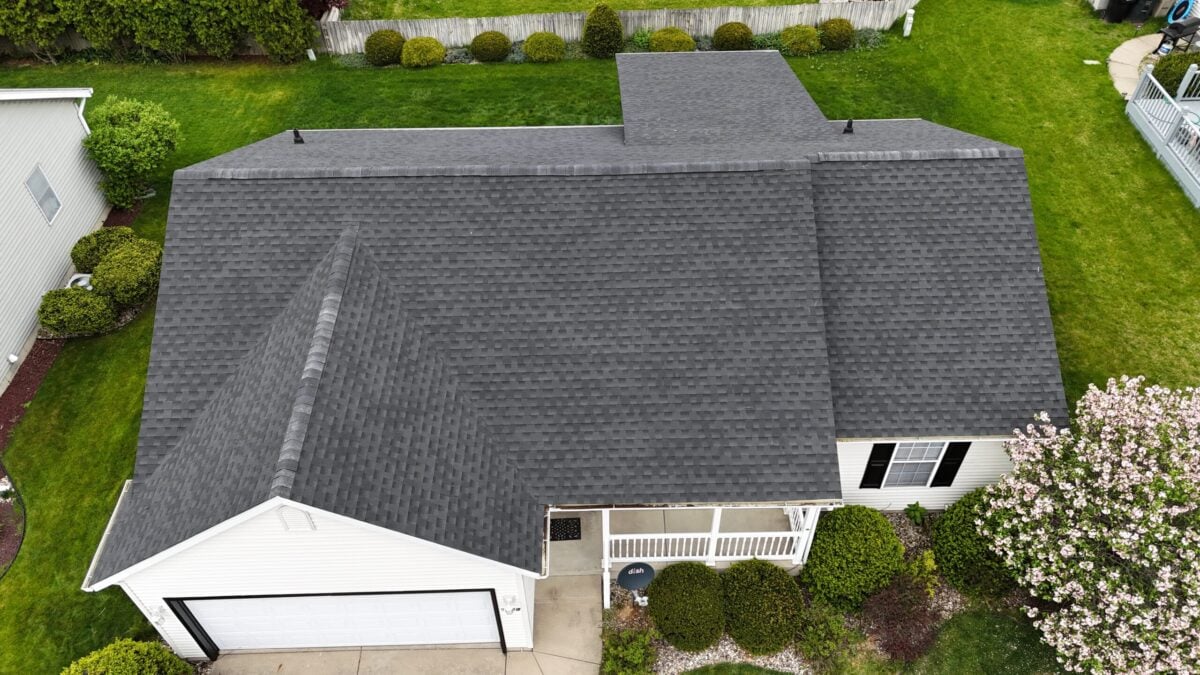
Roof Overlay For Shingles: 5 Things To Consider
When an aging roof starts showing signs of wear, homeowners often face a choice between a full tear off and a faster, less expensive alternative. A roof overlay involves installing a new layer of shingles directly over an existing layer, offering a quicker path to a refreshed roof without the labor and disposal costs of a complete removal. Before deciding if this approach fits your home, it helps to understand the process through a professional roof installation service built around quality materials and lasting results so you can weigh the pros and cons with confidence and make the choice that best protects your investment.
Here is what you will learn in this guide:
- What a roof overlay actually involves
- The key factors to consider before choosing this option
- When an overlay makes sense and when it does not
- How overlays compare to a full roof tear off
- Tips for ensuring a successful overlay installation
Why Understanding Roof Overlay Options Matters

Roof overlays can be a practical, cost-effective solution in the right circumstances, but they are not the best choice for every home or roofing situation. Understanding the benefits and limitations upfront helps homeowners make an informed decision rather than choosing based on cost alone.
- Lower upfront cost: Overlays typically cost less than a full tear off since labor and disposal expenses are reduced.
- Faster installation timeline: Skipping the removal step often means a shorter overall project timeline.
- Less disruption: Overlays generate less debris and noise compared to a complete roof removal.
- Added insulation layer: A second layer of shingles can provide slightly improved insulation in some cases.
- Important limitations to weigh: Overlays are not suitable for every roof, making it essential to evaluate your specific situation carefully.
5 Things To Consider Before Choosing A Roof Overlay
Deciding whether a roof overlay is the right choice for your home involves weighing several important factors. Below are the five most critical considerations homeowners should think through before moving forward.
1. The Condition Of Your Existing Roof Deck
An overlay only addresses the visible shingle layer, meaning any underlying damage to the roof deck remains hidden and unaddressed. If your existing roof has water damage, rot, or structural issues beneath the shingles, an overlay will not fix these problems and could allow them to worsen over time.
- A professional inspection can help identify hidden deck damage before installation
- Soft spots or sagging areas often indicate deck problems requiring repair
- Overlaying a damaged deck can lead to more costly repairs down the road
2. Local Building Code Restrictions
Many local building codes limit the number of shingle layers allowed on a roof, often restricting installations to no more than two layers total. Homeowners in South Bend and surrounding areas should check with their local building department to confirm whether an overlay is even permitted on their specific property.
- Most codes cap roofs at two total shingle layers
- Some municipalities have stricter requirements depending on roof type or age
- Checking code requirements early helps avoid costly project delays
3. Added Weight On The Roof Structure
A second layer of shingles adds significant additional weight to the roof structure, which can be a concern for older homes or those with roof framing not originally designed to support extra load. This added weight becomes especially important to consider in regions with heavy snow accumulation.
- Additional shingle layers can add several hundred pounds per roofing square
- Older homes may require a structural assessment before adding a second layer
- Snow load considerations are especially important in colder climates
4. Impact On Warranty Coverage

Many shingle manufacturers offer reduced or voided warranty coverage for overlay installations compared to a full tear off with fresh underlayment. Reviewing warranty terms carefully before choosing an overlay helps homeowners understand exactly what protection they will have moving forward.
- Some manufacturers only offer full warranties on single-layer installations
- Reduced warranty terms may affect long-term value and peace of mind
- Reading the fine print prevents unexpected surprises down the road
5. Long-Term Cost Versus Short-Term Savings
While an overlay costs less upfront, homeowners should consider whether this approach truly saves money over the long run. Since an overlay does not address underlying issues or extend the roof’s overall lifespan as effectively as a full replacement, some homeowners end up paying for a tear off sooner than expected anyway.
- Overlays typically do not last as long as a properly installed new roof
- Future tear offs will require removing multiple layers, increasing eventual costs
- Weighing short-term savings against long-term value helps guide a smarter decision
Enhancing Your Decision With Additional Considerations
Beyond the core factors above, a few additional details can help homeowners feel more confident in their final decision between an overlay and a full roof replacement.
Roof Age And Remaining Lifespan
If your existing shingles are nearing the end of their expected lifespan, investing in an overlay may not make sense since you could be paying for two roofing projects within a relatively short period of time. A roof already showing significant granule loss, curling edges, or widespread wear is generally a stronger candidate for a full tear off, since an overlay would simply mask problems that are likely to resurface within just a few years.
Aesthetic Considerations
An overlay can sometimes result in a less smooth, more uneven appearance since the new shingles are installed over the existing layer’s texture and imperfections. Homeowners particular about a clean, uniform appearance may prefer a full tear off, especially if the existing shingles have already begun to curl, buckle, or show visible unevenness that could telegraph through the new layer.
Ventilation Concerns
Adding a second layer of shingles can sometimes interfere with proper attic ventilation if flashing and vents are not properly adjusted during installation, which is an important detail to discuss with your contractor. Improperly sealed vent openings after an overlay can trap moisture beneath the roofing layers, leading to problems that are much harder to diagnose without removing the shingles entirely.
Future Resale Considerations
Homebuyers and inspectors sometimes view multiple shingle layers unfavorably, since it can signal deferred maintenance or make future roofing issues harder to diagnose. This is worth considering if you plan to sell your home in the coming years, particularly in competitive markets like South Bend and surrounding areas where buyers often request detailed roof history during inspections.
Comparing Roof Overlay And Full Tear Off Options

Reviewing how these two approaches compare across several important factors can help homeowners make a more confident, informed decision for their specific situation.
| Factor | Roof Overlay | Full Tear Off |
| Upfront cost | Lower | Higher |
| Installation timeline | Faster | Longer |
| Ability to inspect roof deck | No, deck remains hidden | Yes, full inspection possible |
| Warranty coverage | Often reduced | Typically full coverage |
| Added structural weight | Yes, additional layer | No, single layer only |
| Long-term value | Lower in most cases | Higher in most cases |
When An Overlay Makes Sense
An overlay can be a reasonable choice for homeowners with a sound roof deck, no existing layers already in place, and a shorter-term ownership horizon who want a cost-effective, temporary improvement.
When A Full Tear Off Is The Better Choice
A full tear off is generally the better long-term investment for homeowners planning to stay in their home for many years, those with existing roof deck concerns, or anyone wanting full manufacturer warranty coverage.
Getting A Professional Assessment
Homeowners throughout South Bend and surrounding areas benefit from having an experienced roofing contractor evaluate their specific roof before deciding between these two options, since factors like deck condition, existing layers, and local code requirements all play a role in determining the best path forward. A thorough inspection typically includes checking for soft spots, reviewing attic ventilation, and confirming how many existing layers are already present, giving homeowners a clearer picture before committing to either approach.
Make The Right Choice For Your Roof Replacement
Deciding between a roof overlay and a full tear off comes down to weighing upfront cost against long-term value, structural considerations, and your specific home’s condition. While an overlay can offer a faster, more affordable short-term solution, understanding its limitations helps you avoid unexpected costs and issues down the road. Homeowners throughout South Bend and surrounding areas continue to rely on experienced professionals to guide them through this important decision.
If you are weighing your options between a roof overlay and a full replacement, the team at One Way Construction and Roofing can help you evaluate your roof and choose the approach that best fits your home and budget. Reach out and contact us today to schedule an inspection and get expert guidance on your next roofing project.
