

Understanding Roof Framing (7 Structural Components)
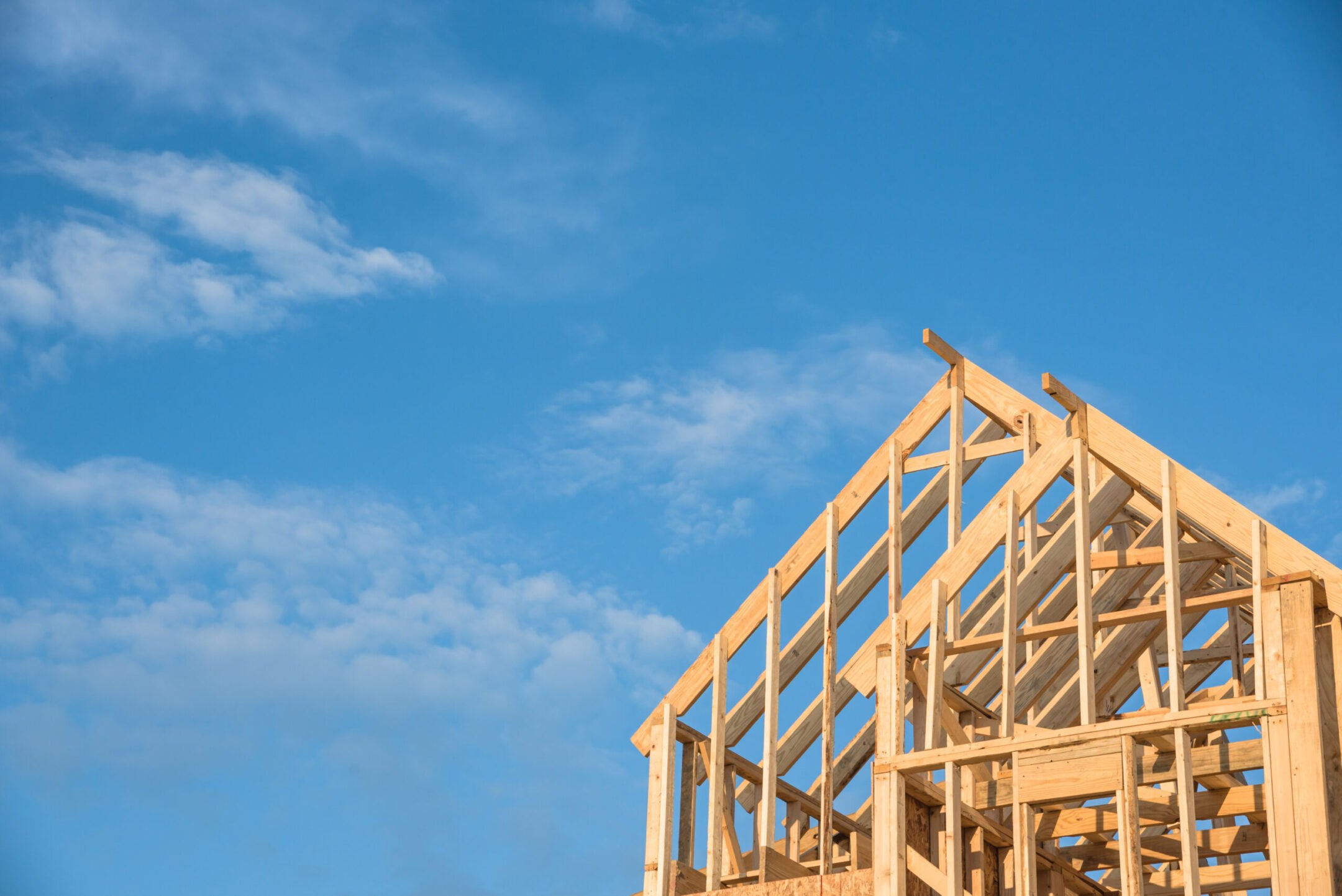
If you’re planning a roof replacement, addition, or structural repair, understanding roof framing is essential. The framing system forms the skeleton of your roof. It determines its shape, strength, and ability to handle loads from weather, materials, and time. Whether you’re building a new home in South Bend, IN or updating an aging roof structure, knowing the key components helps you make informed choices when hiring contractors or reviewing design options.
Here are a few important things to keep in mind as you learn about roof framing:
- Roof framing supports both roofing materials and insulation.
- Each framing component plays a unique role in load distribution.
- Some elements are visible from the attic, others are built into the roof deck.
- Strong framing ensures long-term stability and performance.
We’re proud to serve home and business owners in South Bend, IN, and nearby communities with expert roofing, framing support, and full roof construction services.
Why Roof Framing Matters
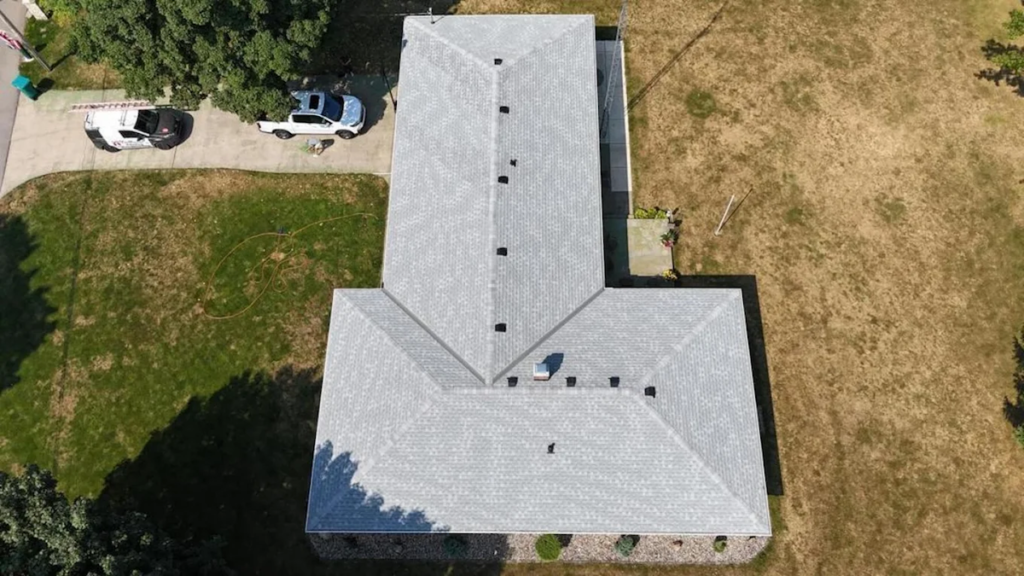
Roof framing is about more than just shape. The way your roof is framed determines how well it can withstand local snow loads, heavy rain, wind pressure, and the weight of roofing materials like shingles or tiles. It also affects ventilation, insulation options, and the layout of the attic or ceiling below.
When framing is done properly, it ensures even weight distribution and minimizes the risk of sagging, leaking, or structural shifts over time. Whether you’re working on a large home, a shed, or a garage addition, starting with sound framing principles is key.
7 Key Components of Roof Framing
Understanding the main parts of a roof framing system gives you clarity on how it all works together. Here are the seven structural components that form the backbone of most pitched roof systems:
1. Rafters
Rafters are the angled beams that extend from the peak of the roof down to the exterior walls. They form the main slope and carry the weight of the roofing materials along with any snow or water that collects.
- Primary support system: Creates the roof’s pitch
- Spacing: Typically installed 16 to 24 inches apart
- Material: Usually dimensional lumber or engineered wood
- Access point: Often visible in unfinished attics
The correct thickness and spacing of rafters depends on the load requirements and span. When laying out roof rafters, a framing square or speed square is essential to mark angles and ensure each cut creates a true perpendicular line to the outside edge of the board.
2. Ridge Board
The ridge board runs horizontally along the peak of the roof. It connects the tops of the rafters and helps align them evenly on both sides of the roof.
- Central connection: Where opposing rafters meet
- Load role: Helps with alignment but not weight-bearing
- Material: Often a 2x board sized to match rafters
- Placement: Installed at the topmost part of the framing
A properly installed ridge board marks a key point in the roof layout and supports symmetrical framing from end to end.
3. Ceiling Joists
Ceiling joists run horizontally between opposite walls and help keep the walls from spreading under the roof’s weight. They also support ceiling drywall or finishes inside the home.
- Structural tension: Prevents wall separation
- Dual function: Supports interior ceilings
- Spacing: Matches rafters for balanced load transfer
- Connection: Tied into rafters or trusses
In some cases, joists are used to create storage platforms in the attic space, particularly in homes where attic access is important to the homeowner or contractor on site.
4. Collar Ties
Collar ties are horizontal braces that connect opposing rafters higher up the slope. Their main job is to resist uplift during high winds or storms.
- Wind protection: Adds uplift resistance
- Location: Positioned in the upper third of the roof slope
- Material: 1x or 2x lumber, depending on span
- Code requirements: Often required in high-wind areas
A missing or improperly placed collar tie is a sign that roof uplift protection may be lacking, especially in older homes or those exposed to frequent wind stress.
5. Trusses
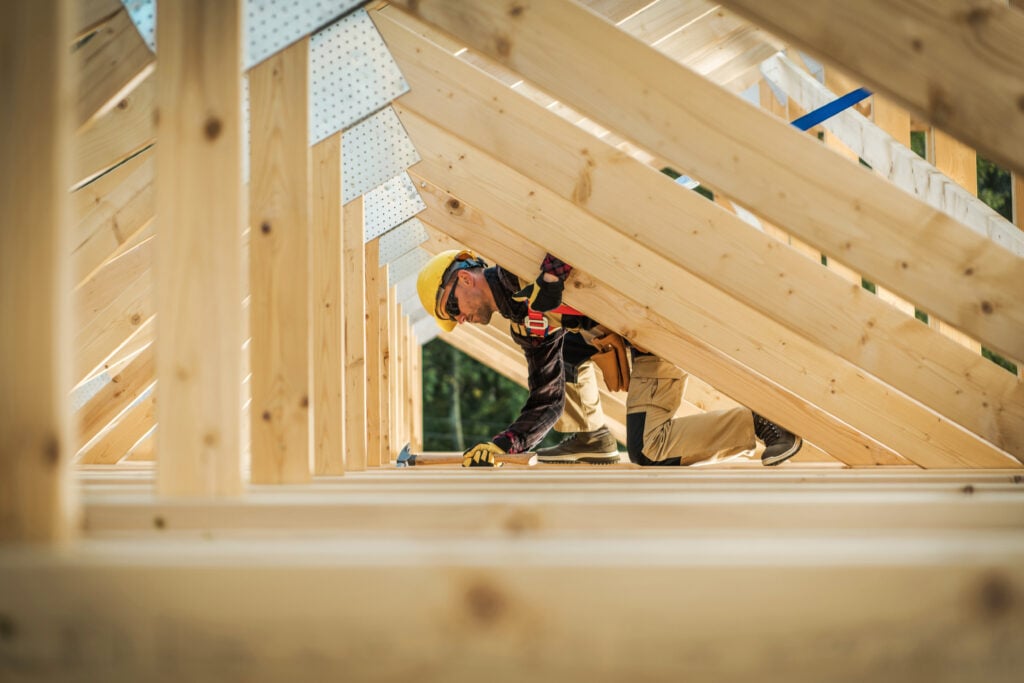
Trusses are pre-engineered framing systems made from a series of triangular units. They replace individual rafters and joists in many modern homes and are designed to handle heavy loads efficiently.
- Prefabricated support: Combines rafters and joists in one system
- Design efficiency: Reduces material use and increases strength
- Speed of install: Faster than stick-built framing
- Limited attic space: Often restricts storage or access
Trusses are commonly used in both residential and commercial buildings for speed and cost savings. They are often delivered to the job site fully assembled.
6. Hip and Valley Rafters
These rafters are used where roof sections meet at angles, such as corners or intersections. Hip rafters project outward, while valley rafters slope inward where two planes join.
- Directional framing: Creates roof intersections
- Load management: Carries complex roof geometry
- Application: Common in L-shaped or multi-gable roofs
- Support connections: Tied into common rafters and ridge board
These intersecting elements need precise cuts and consistent measurements using a speed square to ensure accurate angles and load transfer.
7. Lookouts and Overhang Supports
Lookouts are horizontal members that extend past the exterior walls to support roof overhangs. They are essential for forming eaves and protecting siding and walls from weather.
- Overhang stability: Supports soffits and fascia
- Weather defense: Shields walls from rain and sun
- Ventilation assist: Allows for vented soffits
- Material: Typically 2x lumber or truss extensions
Properly framed overhangs reduce moisture infiltration and provide clean roof edges for a finished look that complements the rest of the house.
Roof Framing in New Construction and Roof Replacements
Whether you’re building from the ground up or planning a roof replacement, the roof framing needs to be solid and code-compliant. In new homes, trusses are often the default due to their ease of installation and engineering precision. In existing homes, roofing contractors assess the current framing to determine if reinforcements or repairs are needed before installing new materials.
This is especially true in regions like South Bend, where seasonal snow loads and storms can put extra stress on older homes. During a roof replacement, addressing framing concerns can prevent sagging, leaks, and uneven shingle wear down the line.
Signs of Roof Framing Issues
Not sure if your framing needs attention? Watch for these red flags:
- Sagging rooflines: Visible dips or uneven slopes
- Cracks in drywall: Especially near ceilings or top corners
- Ceiling bowing: Drooping or sagging ceilings indoors
- Uneven shingles: Warping or wavy rows across the roof
If you notice any of these signs, it’s worth getting a professional inspection to determine whether the framing needs reinforcement or repair. Always follow up with expert advice when planning roof work that involves structural elements.
Why Homeowners in South Bend Trust One Way Roofing
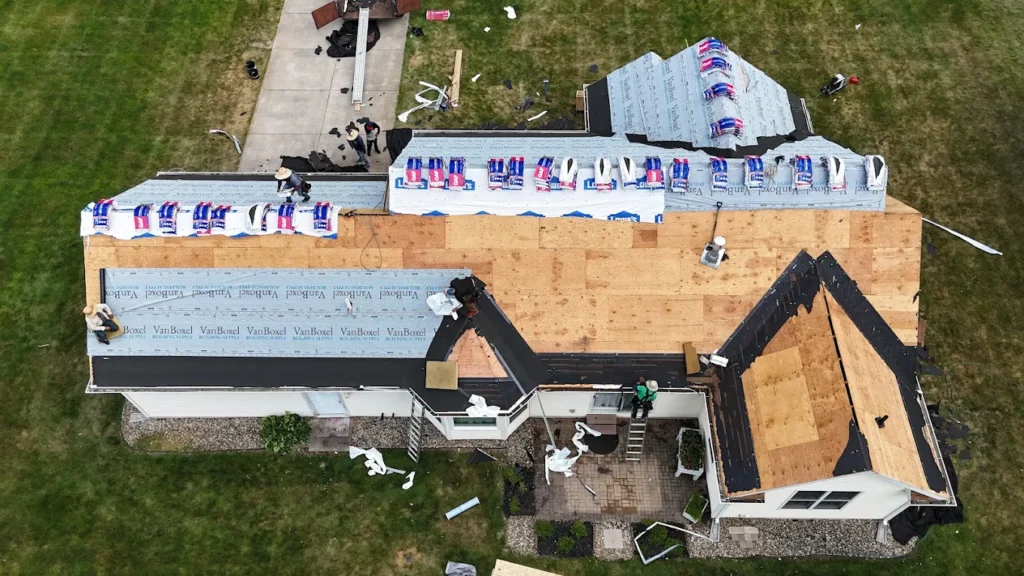
At One Way Roofing, we understand that a roof is only as strong as the structure beneath it. Our team carefully evaluates framing components during every inspection or roof replacement. If needed, we can reinforce your system or rebuild it for long-lasting safety and performance.
If you’re planning a roof replacement or suspect your framing needs attention, contact One Way Roofing today. We provide clear answers, safe solutions, and expert craftsmanship for homes and commercial buildings throughout the South Bend area.
