


When To Schedule Rain Gutter Repair (6 Warning Signs)
If you’re noticing issues around your roofline or water isn’t flowing the way it should, understanding when to schedule rain gutter repair can protect your home from costly damage. A properly functioning gutter system helps shed rainwater away from your foundation, basement, siding, and landscaping. Ignoring early signs that gutter maintenance or repair is needed can lead to more extensive issues such as soil erosion, wood rot, and structural damage to your home exterior.
Here are a few important things to keep in mind:
- Gutters and downspouts manage roof runoff as part of your exterior drainage system.
- Early detection of problems can prevent foundation issues and siding stains.
- Some warning signs require a ladder inspection; others are visible from ground level.
- Routine checks help extend the life of your gutter guards and channels.
We’re proud to serve home and business owners in Evansville, IN, and nearby communities with professional rain gutter repair, maintenance, and full gutter replacement services.
Why Gutters Matter for Your Home
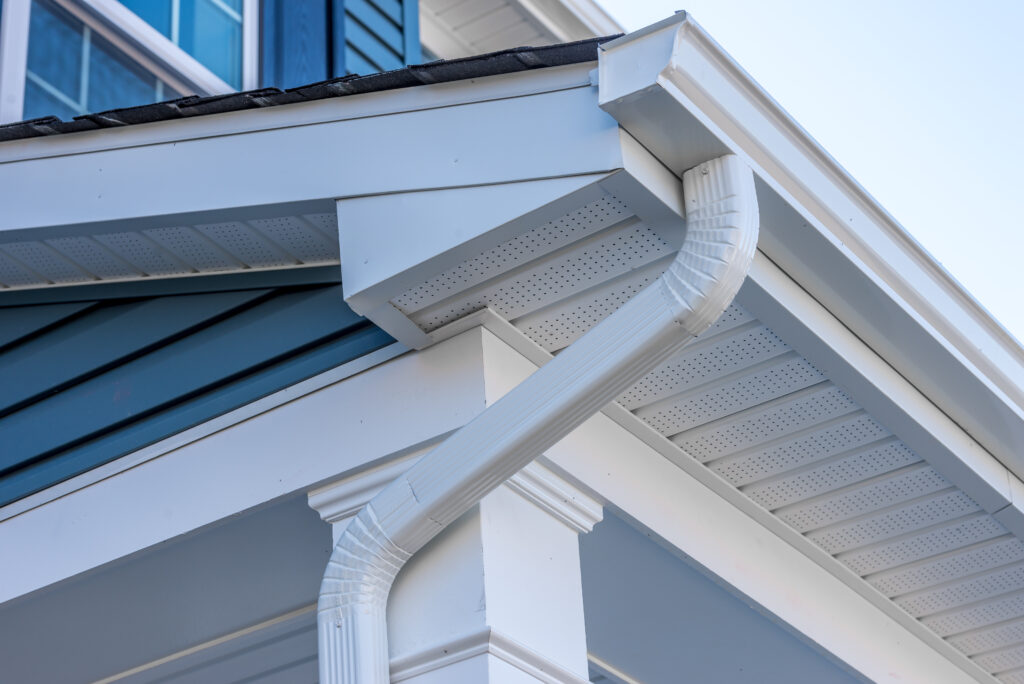
Your rain gutters are a critical part of your home’s weather protection system. They collect water that runs off your roof and direct it through downspouts to safe discharge points away from your home’s slab and landscaping. When gutters fail due to clogs, rust, or misalignment, water spills over the edge, saturating the ground below and potentially damaging your foundation. In climates with frequent rain, seasonal storms, and freeze/thaw cycles, functional gutters help prevent erosion, basement seepage, and siding decay.
6 Warning Signs You Should Schedule Rain Gutter Repair
Gutters rarely fail all at once. Instead, they show warning signs over time. Catching problems early with proper inspection and maintenance helps you avoid larger repairs, including expensive foundation waterproofing and exterior siding fixes.
1. Overflowing Water During Rainstorms
Rainwater spilling over the top of your gutter system indicates a clog or poor water flow. This can happen when debris accumulates in the channel or when your gutter size is too small for your roof runoff.
- Debris buildup: Leaves, twigs, and shingle grit block water
- Improper slope: Gutters not angled toward downspouts
- Heavy rainfall overflow: Frequent water runover during storms
- Downspout blockage: Water backs up when the discharge path is obstructed
A gutter that’s allowing water to overflow consistently can cause damage to siding, flashing, and soffits if ignored too long.
2. Noticeable Sagging or Pulling Away
If your gutters look like they are drooping or pulling away from the fascia board, it’s a clear sign that hangers or fasteners are failing. Sagging also leads to water pooling and accelerated rust or corrosion in metal gutters.
- Weak hangers: Fasteners that no longer secure the gutter
- Weight strain: Clogged water and debris add stress
- Visible droop: A telltale sign from ground level
- Roof edge separation: Gutter detaching from fascia boards
This usually happens when the gutter no longer attaches properly and screws begin to loosen from wood that’s softened over time.
3. Cracks or Splits Along the Gutter Channel
Cracks or splits in the gutter material point to age or stress damage. Even small gaps allow leaking water to run down exterior walls and toward your foundation instead of directing it safely away.
- Small cracks: Early signs of wear and tear
- Expanded openings: Cracks that grow over time
- Rust patches: Weak spots that can split
- Material fatigue: Especially in older vinyl or aluminum gutters
Sometimes, a temporary fix with gutter sealant may hold things together briefly, but most cracks eventually require replacing full sections or sealing again with new sealant.
4. Water Pooling Near the Foundation
When gutters aren’t channeling water properly to downspouts, rainwater can collect near your home’s foundation. This can lead to basement moisture and even structural shifts in the slab.
- Standing puddles: After moderate rainfall
- Soft ground: Muddy spots near foundation corners
- Soil washout: Landscape displacement around edges
- Foundation staining: Water marks on exterior walls
Leaving standing water too close to your home for too long can lead to frost heave or basement leaks, especially during winter when freezing temperatures affect the ground.
5. Peeling Paint or Rust Near the Gutter Line
Peeling paint or rust along the roofline or fascia is often due to chronic moisture exposure. This is a sign gutters are leaking or overflowing, causing water to repeatedly contact siding or trim.
- Exterior paint failure: Moisture where it shouldn’t be
- Rust formation: Metal oxidation from standing water
- Discoloration: Visible around gutter hangers or seams
- Trim damage: Paint and surface decay near the gutter line
This damage often occurs near gutter seams or where fasteners attach and rust has weakened the material.
6. Fascia or Soffit Damage
When water escapes the gutter system, the fascia and soffits under your roof edge can suffer damage. These structural components protect your roof framing and attic ventilation, so visible rot or soft boards are serious signs you need repair.
- Soft rotted boards: From prolonged exposure to water
- Staining or mold: Along fascia or soffit panels
- Warped wood: Water exposure can distort framing
- Pest entry points: Rot invites insects and rodents
Excessive heat and moisture build-up in blocked soffits can also weaken these materials, creating more airflow issues in your attic over time.
Rain Gutter Repair vs Full Replacement
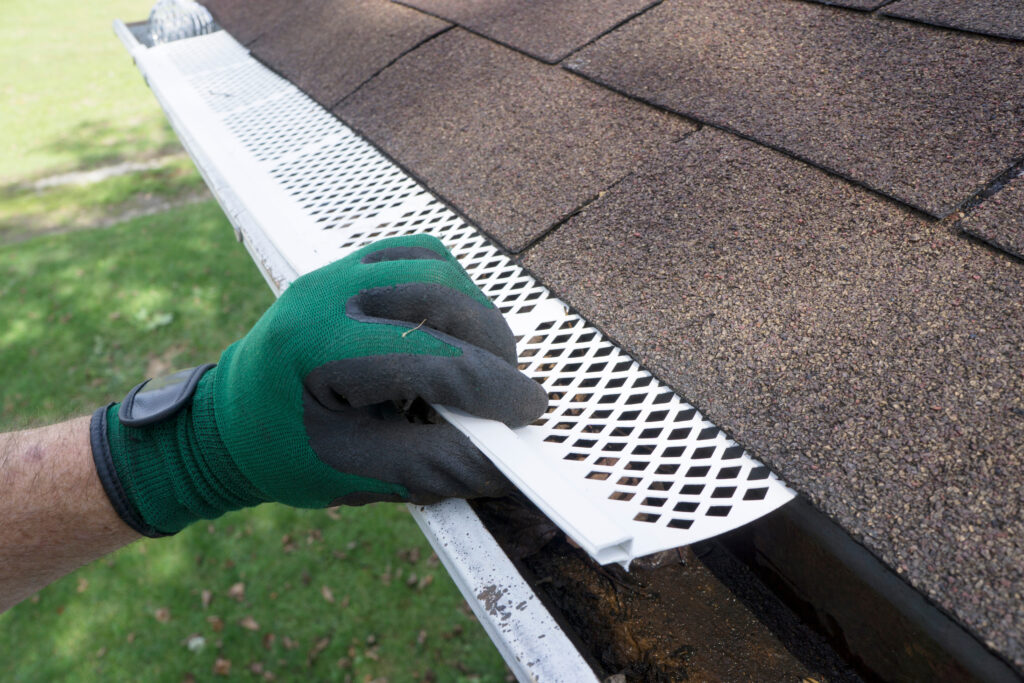
Minor damage like small cracks, loose hangers, or small leaks around joints can often be sealed with gutter sealant or repaired with simple tools. But if your system is older, heavily rusted, or has poor flow due to improper design, installing a new gutter system may provide better protection and peace of mind. Professional inspections will determine whether replacing sections or upgrading the whole system is the most cost-effective option.
Tips to Maintain Your Gutters
Keeping your gutters clean, connected, and properly sealed is key to preventing long-term damage. Regular upkeep also helps you spot areas where parts may begin to loosen or where debris frequently collects.
- Clean debris regularly: Especially after fall or spring storms
- Install gutter guards: Reduce leaf buildup and clogging
- Trim nearby trees: Less foliage means fewer blockages
- Inspect after storms: Look for detached sections or pooling water
Having the right tools on hand, like a ladder, garden hose, or gutter scoop, makes maintenance easier and safer.
Why Homeowners in Evansville Trust One Way Roofing
At One Way Roofing, we know that a reliable gutter system protects everything beneath your roof; from your foundation to your siding. Our experienced team handles inspections, repairs, and full replacements with precision and transparency. Whether it’s sealing a small crack or designing a new gutter system, we help you protect your property from water damage year-round.
If your gutters need attention, contact One Way Roofing today to schedule a free inspection and keep rainwater moving safely away from your home.
