

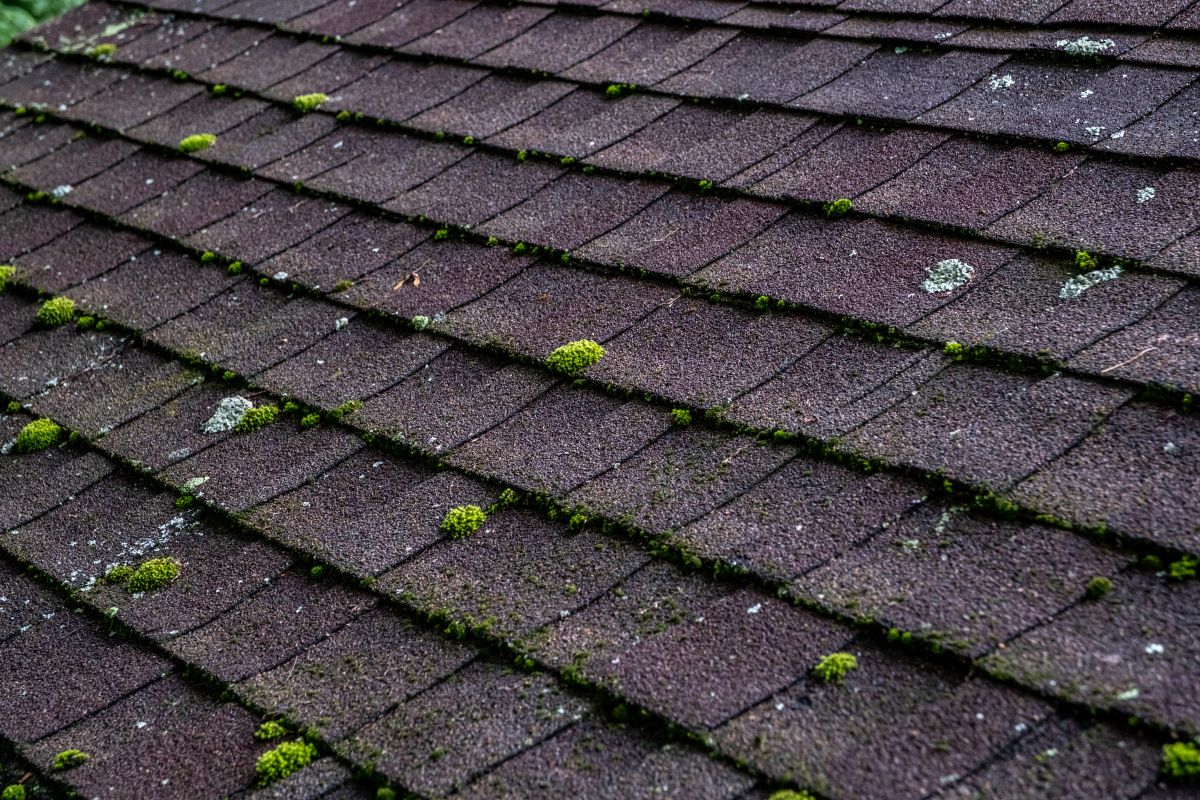
Mold On Roof Shingles Vs Algae: 5 Key Differences
Dark streaks, fuzzy patches, and discolored spots on your roof are more than a cosmetic nuisance. Mold on roof shingles can spread quickly, weaken your roofing materials, and even affect indoor air quality if left untreated. Many homeowners assume any dark growth is the same thing, but understanding what is actually growing on your roof, and knowing when to bring in a team skilled in long-lasting roof solutions built for northern Indiana weather, makes all the difference in protecting your home for years to come.
Here is what you will learn in this guide:
- The difference between mold and algae growth on shingles
- Why identifying the right culprit matters for your roof’s health
- The top causes behind mold and algae development
- How to spot early warning signs before damage spreads
- Practical prevention and maintenance tips for homeowners
Why Identifying Mold Growth On Roof Shingles Matters

When homeowners notice dark patches or greenish streaks on their shingles, it is tempting to lump every type of growth into one category and treat it the same way. However, mold and algae behave differently, spread differently, and require different approaches to remove safely. Misidentifying the problem can lead to wasted time, unnecessary expense, or worse, a delayed response that allows the damage to worsen underneath the surface.
- Accurate treatment: Knowing whether you are dealing with mold or algae determines which cleaning method and products will actually work.
- Structural protection: Certain types of growth break down shingle granules faster, shortening your roof’s lifespan if not addressed early.
- Health considerations: Mold spores can affect indoor air quality, especially if moisture has worked its way into your attic or decking.
- Curb appeal: Streaked or spotted shingles can lower your home’s value and make a strong first impression harder to achieve.
- Long-term savings: Catching the issue early and treating it correctly can prevent a full roof replacement down the road.
5 Key Differences Between Mold And Algae On Asphalt Shingles
Understanding exactly what separates these two types of growth helps you make smarter decisions about cleaning, prevention, and when to call in a professional. Below are the five most important distinctions every homeowner should know.
1. Appearance: Dark Streaks Vs Mold Patches
Algae typically shows up as dark green, black, or bluish streaks running down the slope of the roof, often starting near the ridge and trailing downward with rain and gravity. Mold, on the other hand, tends to appear in more irregular, fuzzy, or slimy patches that can look black, white, or even orange depending on the species and moisture level.
- Algae streaks: elongated, wave-like, and consistent in direction
- Mold patches: blotchy, irregular, and often clustered in shaded or damp areas
- Both can be mistaken for dirt or soot at first glance
2. Cause Of Growth
Algae, specifically a type called Gloeocapsa magma, feeds on the limestone filler used in many asphalt shingles and thrives in humid, warm climates with plenty of moisture. Mold, by contrast, typically develops when organic debris such as leaves, pine needles, or dirt accumulates on the roof and retains moisture long enough for spores to take hold and multiply.
- Algae is airborne and spreads via spores carried by wind, birds, and rain runoff
- Mold usually needs a food source like decaying organic material to establish itself
- Both thrive in shaded, north-facing sections of a roof that dry slowly
3. Speed Of Spread
Algae tends to spread more slowly and gradually across large sections of the roof over months or even years, which is why streaking often appears uniform. Mold can spread more quickly in localized areas, especially where moisture is trapped, such as under debris piles or around chimneys and gutters, a common sight in Elkhart and surrounding areas where humid summers and shaded tree cover create favorable conditions.
- Algae growth: slow, widespread, often unnoticed until streaking is significant
- Mold growth: faster in isolated pockets, especially after heavy rain or poor drainage
- Regular roof inspections help catch both before they spread further
4. Impact On Asphalt Shingles
Algae primarily affects the surface appearance of shingles by feeding on the limestone in the granules, but it can gradually degrade granule adhesion over time, exposing the asphalt layer underneath to UV damage. Mold, when combined with trapped moisture, can penetrate deeper into organic materials on the roof, including underlayment or decking if left unaddressed, leading to rot and structural concerns.
- Algae: mostly cosmetic at first, but long-term exposure shortens shingle lifespan
- Mold: greater risk of penetrating beneath the shingle surface if moisture persists
- Both reduce a roof’s ability to reflect heat efficiently, raising energy costs
5. Mold Removal And Treatment Approach
Algae is often treated with a gentle mixture of water and a mild bleach or specialized algae-resistant cleaning solution applied with low-pressure washing to avoid damaging granules. Mold removal frequently requires addressing the underlying moisture source first, whether that means clearing debris, improving attic ventilation, or trimming overhanging branches, before any cleaning solution will provide a lasting fix.
- Algae treatment: surface cleaning plus algae-resistant shingle upgrades for prevention
- Mold treatment: moisture control first, then targeted cleaning of affected areas
- Professional cleaning is recommended for either issue to avoid shingle damage from improper pressure washing
How Weather And Roof Design Affect Mold Growth

Beyond identifying what type of growth you are dealing with, it helps to understand why certain roofs are more susceptible than others. Many homes often see more roof growth due to a combination of seasonal humidity, tree coverage, and roof orientation.
Shade and moisture retention
Roof sections shaded by large trees or neighboring structures dry more slowly after rain, creating the damp environment both mold and algae need to thrive. North-facing slopes are especially prone since they receive less direct sunlight throughout the day.
Roof pitch and drainage
Low-slope roofs tend to hold moisture longer than steeply pitched roofs, giving spores more time to establish themselves. Poor gutter maintenance compounds this issue by allowing water to back up and pool near the roofline.
Shingle Material And Age: Why Mold Resistant Shingles Matter
Older shingles with worn granules provide a rougher surface that traps moisture and debris more easily than newer, algae-resistant shingle products. Homeowners in Elkhart and surrounding areas replacing an aging roof may want to consider mold resistant shingles as a proactive step, since these products are designed to shed moisture and resist spore development for years longer than standard shingles.
Ventilation and attic airflow
Poor attic ventilation can trap heat and moisture beneath the roof deck, indirectly contributing to conditions that support mold growth from the underside of the roof outward. Balanced intake and exhaust ventilation helps regulate temperature and moisture year-round.
Mold Prevention Strategies: Copper Strips, Zinc, And Resistant Shingles

Once you understand the differences between mold and algae, the next step is putting the right prevention strategy in place. While some overlap exists, tailoring your approach to the specific type of growth produces better long-term results.
| Prevention Strategy | Best For Algae | Best For Mold |
| Algae-resistant shingles | Highly effective | Limited impact |
| Regular gutter cleaning | Moderately helpful | Highly effective |
| Trimming overhanging branches | Helpful | Highly effective |
| Improved attic ventilation | Minimal impact | Highly effective |
| Professional roof cleaning | Effective | Effective |
| Zinc or copper roof strips | Highly effective | Moderately helpful |
Install Zinc And Copper Strips
Installing thin strips of zinc or copper near the roof ridge allows rainwater to carry trace metal ions down the slope, which naturally inhibit algae growth over time. This is a popular preventive upgrade for homeowners who have dealt with recurring streaking.
Choose Algae Resistant Shingles For Long-Term Protection
Upgrading to algae resistant shingles during your next roof replacement is one of the most effective long-term prevention strategies available. These shingles are manufactured with copper-infused granules that continuously release ions to discourage growth, offering protection that lasts far longer than a one-time cleaning.
Cleaning Solutions And Routine Maintenance
Using the right cleaning solutions matters just as much as choosing the right prevention method. A mixture of water and a mild, roof-safe cleaner applied with low-pressure equipment removes existing growth without stripping away protective granules or voiding shingle warranties.
Routine seasonal inspections
Scheduling a roof inspection each spring and fall allows small patches of mold or algae to be caught and addressed before they spread across larger sections of the roof. This is especially valuable for homes in Elkhart and surrounding areas where seasonal humidity swings can accelerate growth.
Debris removal
Keeping the roof surface clear of leaves, branches, and other organic debris removes the food source mold relies on and reduces moisture retention across the entire roof system.
- Clear gutters at least twice a year
- Trim back branches that overhang the roofline
- Remove debris piles promptly after storms
Trust A Mold Resistant Roofing Partner
Mold and algae might look similar at first glance, but the differences in how they grow, spread, and damage your shingles matter when it comes to protecting your home. Left unchecked, either issue can shorten the life of your roof, increase energy costs, and lead to costly repairs down the road. Homeowners throughout Elkhart and surrounding areas trust experienced professionals to correctly identify the problem and apply the right solution the first time.
If you have noticed streaking, dark patches, or discoloration on your shingles, do not wait for the problem to spread. The team at One Way Construction and Roofing has the experience and know-how to inspect your roof, identify whether you are dealing with mold or algae, and recommend a treatment plan built to last. Reach out and contact us today to schedule your inspection and keep your roof protected for years to come.
