

Metal Standing Seam Roof Maintenance: 8 Tips Owners Need
A metal standing seam roof is one of the most durable roofing systems a homeowner or commercial property owner can invest in, built to last 40 to 70 years when properly installed and maintained. Standing seam roofing uses raised, interlocking seams with concealed fasteners that allow metal roofing panels to expand and contract freely with temperature changes, which is why they outperform exposed fastener systems by decades. But even the best roofing system needs attention to reach the upper end of its lifespan. Here is what this post covers:
- What makes standing seam metal roofs different from other metal roofing systems
- Why regular maintenance still matters on a low-maintenance roof
- 8 maintenance tips that protect your investment
- How standing seam compares to exposed fastener metal roofing
- FAQs homeowners ask most about standing seam care
If you are not sure what shape your metal roof is in, a standing seam roof inspection is the fastest way to catch small issues before they become expensive ones.
What Is a Standing Seam Metal Roof?

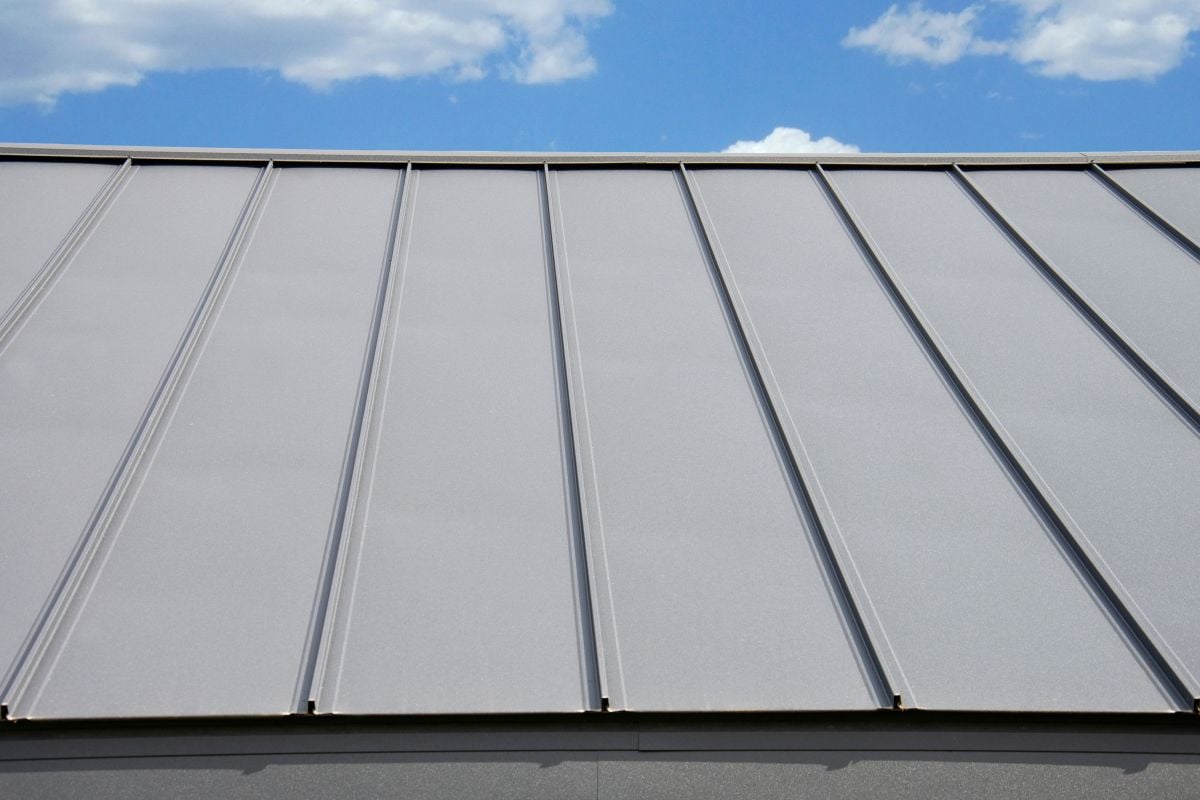
A standing seam metal roof is a roofing system made up of metal roofing panels that connect at raised vertical seams running from the ridge to the eave. The key feature is the concealed fastener design: clips hold the panels to the roof deck without penetrating the panel face, which eliminates the most common failure point on traditional exposed fastener systems. Standing seam roofing systems typically use either snap-lock or mechanical lock profiles for seam connection, with mechanical seaming providing the tightest weather resistance and the strongest structural performance on commercial and steep roof slopes alike.
Standing seam profiles are available in steel, aluminum, zinc, and copper, with Galvalume steel and Kynar-coated steel being the most common choices for residential projects and light commercial applications in Northern Indiana. Standing seam roofs are engineered to withstand high wind speeds up to 140 mph, which contributes to their long term durability in storm-prone regions. The concealed fastener design also contributes to the clean, modern roof line that has made standing seam roofing increasingly popular across residential projects in recent years. In some cases, standing seam roofs can even be installed over existing shingles, reducing tear-off costs and waste on qualifying re-roof projects.
Why Maintenance Still Matters on a Low-Maintenance Roof
Standing seam metal roofing requires significantly less maintenance than asphalt shingle roofs, but low maintenance does not mean no maintenance. The metal roofing panels themselves are highly durable. What degrades over time are the supporting components: penetration flashings, seam sealants, panel coatings, and gutter connections. Neglecting those elements is what causes a 50-year roof to fail at 25.
In Northern Indiana, the freeze-thaw cycle from November through March puts specific stress on every component of the roofing system. Ice dam formation at the eave, thermal expansion and contraction across long panel runs, and occasional hail from summer storms all create conditions where small maintenance issues can become expensive repairs quickly if they go unaddressed. Installation requires skilled labor to ensure correct panel interlocking, and that same level of care needs to carry through into the maintenance phase.
8 Metal Standing Seam Roof Maintenance Tips
The tips below apply to both residential projects and commercial standing seam metal roofing installations across all common roof slopes. Some are tasks a homeowner can handle. Others are better left to a professional roofing contractor with direct experience on metal systems.
1. Inspect the Roof Twice a Year
The single most important maintenance habit for standing seam roofing is a twice-yearly inspection. Once in spring after winter stress and once in fall before freezing begins. Most problems on metal roofing panels, including sealant fatigue, minor coating damage, and debris buildup in roof valleys, are caught during inspections before they become leaks.
- Spring focus: Look for damage from ice dam formation, thermal expansion seam movement, and any coating scratches from winter debris.
- Fall focus: Check sealants at all penetrations, clear debris from roof valleys and gutters, and verify no fasteners have backed out on any exposed trim pieces.
- Professional value: A roofing contractor familiar with standing seam roofing will catch Galvalume coating degradation and flashing sealant fatigue that is easy to miss from the ground.
2. Clear Debris from Roof Valleys and Gutters
Organic debris that accumulates in roof valleys and gutters holds moisture against the metal roofing panels and accelerates coating breakdown over time. Leaves, pine needles, and seed pods that stay wet long enough promote algae and moss growth, which traps additional moisture and can stain Kynar finishes permanently.
- What to remove: Leaves, seed pods, shingle grit from adjacent surfaces, bird nesting material, and standing organic debris in roof valleys.
- How often: At minimum once in late fall and once in spring. More frequently for homes with significant tree coverage directly above the roofline.
- Gutter connection: Clogged gutters can back water up under the panel edge at the eave. Keep gutters clear as part of the same maintenance pass.
3. Inspect and Reseal Penetration Flashings
Penetration flashings at vent pipes, gas lines, HVAC curbs, and skylights are the most common source of leaks on an otherwise sound standing seam metal roof. The sealant used at those transition points degrades from UV exposure and thermal cycling over time, and a failed pipe boot or flashing collar is often the only active leak point on a well-maintained standing seam system. Weather resistance at penetrations depends entirely on sealant integrity.
- What to look for: Cracked, shrinking, or separated sealant at any pipe boot, flashing collar, or HVAC curb transition. Gaps wide enough to see daylight through are an immediate repair.
- How often: Check sealant condition annually and reapply as needed, typically every 5 to 10 years depending on the product and sun exposure.
- Sealant type matters: Use sealants specifically rated for metal roofing applications. Standard silicone caulk does not adhere correctly to Kynar-coated panels and will fail prematurely.
4. Inspect and Touch Up the Panel Coating

According to the Metal Construction Association, field inspections of standing seam metal roofs with up to 35 years of service found that panel coatings and sealant condition are the primary factors determining end of service life, not panel corrosion itself. Protecting the Kynar or Galvalume coating is what delivers the energy efficiency and long term durability standing seam roofing is known for.
- What to watch for: Fading, chalking, scratches from foot traffic or hail impacts, and bare metal visible at cut edges or around exposed fastener points on trim pieces.
- Touch-up approach: Minor scratches and exposed cut edges can be addressed with touch-up paint matched to the panel coating system.
- Hail consideration: Northern Indiana sees periodic hail events. Document any hail events and have the roof inspected for coating damage afterward.
5. Trim Overhanging Branches
Tree branches that overhang standing seam roofing drop debris continuously, scratch the Kynar coating during wind events, and create shaded areas where moisture lingers on the metal roofing panels longer. Branches that make direct contact during storms cause physical scratches that penetrate the coating and create rust initiation points over time.
- Clearance goal: Maintain at least 10 feet of clearance between branch tips and the roof surface where possible.
- Why it matters for metal specifically: On metal roofing panels, coating penetration from a branch scratch can lead to corrosion that spreads under the surrounding finish if left unaddressed.
- Secondary benefit: Reducing tree coverage above the roof also reduces debris accumulation in roof valleys and gutters, cutting down the cleaning frequency needed.
6. Address Rust and Corrosion Immediately
Standing seam profiles made from Galvalume steel or coated with a Kynar 500 finish are highly corrosion-resistant, but rust can initiate at cut panel edges, scratch sites, or areas where dissimilar metals are in direct contact. Galvanic corrosion, which occurs when two different metals touch, is a specific risk on metal roofing systems where copper flashings or untreated steel fasteners contact Galvalume panels.
- Common rust locations: Cut panel edges at trim pieces, scratches from foot traffic or debris, and any exposed fastener head where the coating has worn through.
- How to treat: Wire brush the affected area back to bare metal, apply a rust-inhibiting primer compatible with Galvalume, and finish with matched touch-up paint.
- Dissimilar metals: Avoid letting copper, untreated steel, or other incompatible metals contact the standing seam roofing panels directly.
7. Monitor for Oil-Canning and Seam Separation
Oil-canning is the visible waviness or rippling in flat metal roofing panels caused by stress from thermal expansion and contraction. It is a recognized characteristic of light-gauge metal panels rather than a structural defect in most cases, but worsening oil-canning concentrated near seam locations warrants professional evaluation. On standing seam profiles that use mechanical seaming, seam separation is less common but more serious when it does occur.
- Oil-canning vs. structural performance: Stable, cosmetic oil-canning that has not changed since installation is not a maintenance issue. Progressive oil-canning near seam lines or visible seam separation is a potential leak risk.
- Seam separation: Raised seam lips that have opened over time indicate thermal stress or installation issues and should be evaluated by a roofing contractor before they become active leaks.
- What not to do: Do not attempt to re-press or re-seam panels without professional guidance. Improper repairs can void manufacturer weathertight warranties.
8. Keep a Documented Maintenance Log
A documented maintenance history is one of the most underrated tools for protecting a standing seam roofing investment. Most manufacturer warranties, including those from GAF, CertainTeed, and IKO, require documented maintenance to remain valid. A well-kept log also provides proof of care for insurance claims after weather events and adds measurable value at resale.
- What to record: Inspection dates and findings, any repairs made and the contractor who performed them, notable weather events like hail or high winds, and coating touch-up products used.
- Warranty relevance: Extended manufacturer warranties often require documented professional installation and ongoing maintenance compliance to be honored.
- Resale value: A documented maintenance history on standing seam roofing is a genuine selling point that home inspectors and buyers notice.
We’re proud to serve homeowners and business owners in Mishawaka, Indiana, and nearby communities with metal roofing inspections, repairs, and full installations.
Standing Seam vs. Exposed Fastener Metal Roofing
| Factor | Standing Seam | Exposed Fastener |
| Fastener type | Concealed clips beneath raised seam | Screws through panel face |
| Seam type | Snap-lock or mechanical seaming | N/A |
| Thermal movement | Panels float freely on clips | Restricted, causes fastener fatigue |
| Weather resistance | Excellent, no exposed penetrations | Moderate, degrades with age |
| Structural performance | High, engineered for wind up to 140 mph | Lower, fastener pullout risk |
| Maintenance frequency | Low, annual inspection sufficient | Higher, periodic fastener replacement needed |
| Typical lifespan | 40 to 70 years | 20 to 30 years |
| Energy efficiency | High, reflective Kynar coatings available | Moderate |
| Best application | Residential projects, commercial, low slope | Agricultural, utilitarian commercial |
Common FAQs About Standing Seam Roof Maintenance

Homeowners and property owners across South Bend and Northern Indiana ask these questions most often when researching standing seam metal roof care.
How often should a standing seam metal roof be inspected?
At minimum once a year. Twice a year is the better standard in Northern Indiana given the freeze-thaw stress that winter puts on seams, flashings, and Kynar coatings. After any significant hail event or high-wind storm, a visual inspection from the ground is worth doing outside of the regular schedule.
Do standing seam metal roofs need to be cleaned?
Yes, periodically. The metal roofing panels themselves do not require washing on a fixed schedule, but debris in roof valleys and gutters should be cleared at least twice a year. Organic material that stays wet against the panel surface long-term can stain the Kynar coating and in extreme cases contribute to surface corrosion. Professional cleaning with products approved for Kynar finishes is recommended if algae or moss growth is visible.
What causes a standing seam metal roof to leak?
On a properly installed standing seam system, leaks almost always originate at penetration flashings rather than at the seams or panels. Failed sealant at a vent pipe boot, separated counter-flashing at a wall intersection, or an improperly installed skylight curb are the most common sources. If the seams themselves are leaking on a snap-lock or mechanical seaming system, it typically points to an installation issue or significant thermal stress that was not accommodated at the design stage.
Is a standing seam metal roof worth the cost compared to asphalt shingles?
For homeowners planning to stay in their home long-term, the answer is almost always yes. Standing seam roofing costs more upfront than asphalt shingles but delivers long term durability, better energy efficiency through solar reflectance, and superior weather resistance under Northern Indiana’s freeze-thaw conditions. Over a 50-year period, the total cost of ownership for a standing seam system is typically lower than replacing asphalt shingles two or three times.
Can I walk on a standing seam metal roof?
Yes, but carefully. The metal roofing panels are structurally sound under foot traffic, but the Kynar coating can be scratched by hard-soled boots or dropped tools. When walking the roof is necessary, wear soft-soled shoes and step near the raised seam rather than in the center of the flat panel span where oil-canning pressure is highest.
One Way Construction and Roofing Keeps Your Metal Roof at Its Best
Standing seam roofing is one of the smartest long-term investments a property owner can make, and a consistent maintenance routine is what turns a good investment into a great one. Eight tips done annually are all it takes to push metal roofing panels well past the 50-year mark.
At One Way Construction and Roofing, we inspect metal roofing systems across the South Bend area, tell you exactly what we find, and give you a straight answer on what needs attention and what can wait. Same-day or next-day, free, no pressure, no surprises. Contact our team to schedule your free inspection today. One Way, the right way.
