

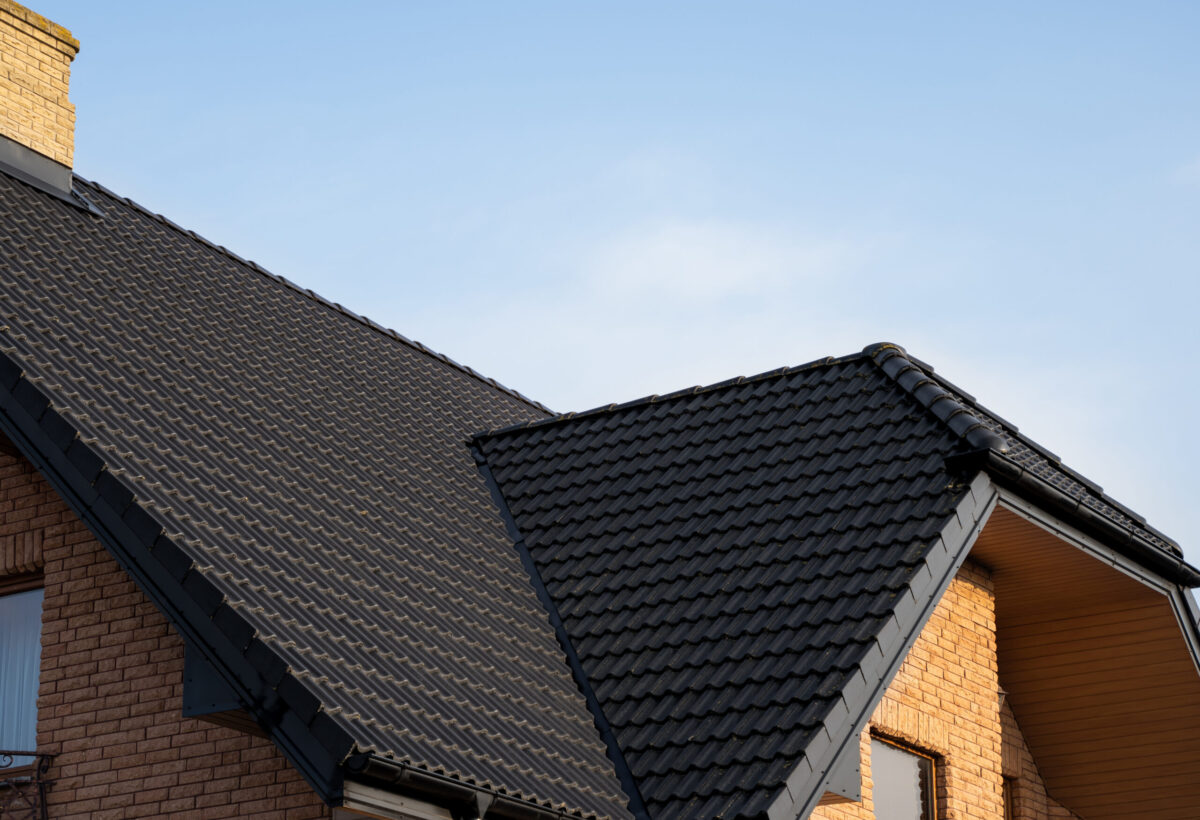
Why Metal Roof Drip Edge Matters? 4 Leak Prevention Tips
A roof can have quality shingles or panels, solid underlayment, and proper ventilation, yet still develop leaks if one small but critical component is overlooked. The metal roof drip edge is often underestimated, but it plays a major role in directing water away from the fascia and preventing costly moisture damage over time. Property owners planning an upgrade often pair this detail with a durable roofing system built to protect buildings from wind driven rain and seasonal storms to ensure every part of the roof works together to keep water out.
Here is what you will learn in this guide:
- What a metal roof drip edge does and why it matters
- The top ways drip edge installation prevents costly leaks
- Common mistakes that compromise drip edge performance
- How to choose the right drip edge material and profile
- Maintenance tips to keep this component performing well long term
Why The Drip Edge Deserves More Attention

Many homeowners focus on shingles, panels, and underlayment when planning a roofing project, often overlooking the drip edge entirely. This narrow strip of metal installed along the roof’s edges plays an outsized role in protecting the fascia, soffit, and roof deck from water damage.
- Directs water away from fascia: A properly installed drip edge channels water into the gutter instead of allowing it to run behind the fascia board.
- Prevents wood rot: Without a drip edge, water can seep into the roof deck and fascia, leading to rot and structural damage over time.
- Reduces ice dam risk: Drip edges help water shed properly at the eaves, reducing conditions that contribute to ice dam formation.
- Improves overall roof lifespan: Preventing water intrusion at vulnerable edges helps extend the life of the entire roofing system.
- Meets building code requirements: Many local codes now require drip edge installation as a standard part of any roofing project.
4 Leak Prevention Tips For Metal Roof Drip Edge Installation
Getting drip edge installation right the first time makes a significant difference in how well your roof performs against wind driven rain and seasonal moisture. Below are the five most important tips for preventing leaks at this critical roof detail.
1. Choose The Right Drip Edge Profile
Metal roof drip edges come in several profiles, including type C, type D, and type F, each designed for different roofing applications and overhang requirements. Choosing the correct profile for your specific roofing system ensures proper water management at the roof’s edge.
- Type C profiles work well for lower slope applications
- Type D and type F profiles offer greater overhang and drainage capacity
- Matching the profile to your roofing material improves overall performance
2. Install Drip Edge Before Underlayment At The Eaves

Proper installation sequence matters significantly when it comes to drip edge performance. At the eaves, drip edge should be installed directly on the roof deck before the underlayment is applied, allowing water that gets past the shingles to drain over the drip edge rather than behind it.
- Installing underlayment first at the eaves can trap water against the fascia
- Correct sequencing follows manufacturer and code specified installation order
- Proper eave installation is one of the most common areas where mistakes occur
3. Reverse The Sequence At The Rakes
Unlike the eaves, drip edge installation at the roof’s rake edges typically follows underlayment application, meaning the underlayment goes down first and the drip edge is installed over it. This sequence protects the edge of the underlayment from wind uplift and helps direct water away from the roof’s sides.
- Rake edge sequencing differs intentionally from eave edge sequencing
- Proper overlap at corners prevents gaps where water could enter
- Following manufacturer specifications for both areas ensures a watertight result
4. Secure Fastening At Proper Intervals
Drip edge that is not fastened securely and at the correct spacing can lift during high winds, creating gaps that allow water infiltration. Manufacturers typically recommend fastening every eight to twelve inches, using corrosion resistant nails or screws appropriate for the metal type.
- Loose or improperly spaced fasteners increase wind uplift risk
- Corrosion resistant fasteners prevent staining and premature failure
- Consistent fastening spacing helps maintain a straight, clean roofline
Common Drip Edge Mistakes That Lead To Leaks
Beyond proper installation techniques, understanding common mistakes helps homeowners recognize potential problems before they lead to costly water damage.
Skipping The Drip Edge Entirely
Some older roofing installations, particularly on homes built before drip edges became a standard code requirement, may be missing this component entirely. Adding a drip edge during a roof replacement is a relatively low cost upgrade that provides significant long-term protection.
Using The Wrong Material For Your Climate
Aluminum, galvanized steel, and copper are all common drip edge materials, each with different levels of corrosion resistance and expected lifespan. Homeowners in Nappanee and surrounding areas dealing with harsh winters and road salt exposure should discuss material options with their contractor to ensure long-term durability.
Poor Alignment With Gutters
A drip edge that is not properly aligned with the gutter system can direct water behind the gutter rather than into it, leading to fascia damage even with a correctly installed drip edge. Coordinating gutter and drip edge installation helps avoid this issue.
Neglecting Regular Inspections
Over time, drip edge can loosen, corrode, or become damaged by falling debris or ice. Regular roof inspections help catch these issues early before they lead to more significant water damage. Homeowners in Nappanee and surrounding areas dealing with seasonal ice accumulation should schedule inspections at least once a year, ideally before winter weather sets in, to confirm the drip edge and surrounding flashing remain in good condition.
Comparing Drip Edge Materials And Their Performance

Reviewing how common drip edge materials compare across durability, cost, and appearance can help homeowners make an informed choice for their roofing project.
| Material | Durability | Cost | Best Suited For |
| Aluminum | Good corrosion resistance | Affordable | Most residential applications |
| Galvanized steel | Strong but can rust over time | Moderate | Budget conscious projects |
| Copper | Excellent, develops protective patina | Higher | Historic homes, premium upgrades |
| Painted steel | Good, color matches roofing system | Moderate | Homes wanting a coordinated appearance |
Matching Material To Roofing System
Choosing a drip edge material that complements your roofing system, both in terms of performance and appearance, helps create a cohesive, long-lasting result. Metal roofing systems often pair best with matching metal drip edge materials to avoid corrosion caused by dissimilar metals in contact with one another.
Regional Considerations
Homeowners throughout Nappanee and surrounding areas facing significant seasonal temperature swings should consider how different drip edge materials expand and contract, since this can affect long-term seam performance and fastener integrity.
Working With An Experienced Installer
Correct drip edge installation requires attention to detail and adherence to manufacturer and code specifications. Partnering with an experienced roofing contractor ensures this small but critical component is installed correctly the first time, since even a well chosen material can fail to perform if fastening, sequencing, or overlap details are not handled properly during installation.
Ask any contractor you are considering whether drip edge installation is included as a standard part of their roofing packages or offered as an optional add-on. A contractor who treats this detail as essential, rather than an afterthought, is more likely to deliver a roofing system built to resist leaks for years to come.
Protect Your Property From Leaks With Proper Drip Edge Installation
A properly installed metal roof drip edge plays a far bigger role in preventing leaks than its small size might suggest, protecting your fascia, roof deck, and overall structure from costly water damage. Whether you are planning a new roof installation or addressing an aging roofing system, paying attention to this detail helps ensure lasting protection for your property. Homeowners and business owners throughout Nappanee and surrounding areas continue to trust experienced professionals to get every detail of their roofing project right.
If you are ready to address your roof’s drip edge or want expert guidance on preventing leaks at your property’s most vulnerable points, the team at One Way Construction and Roofing is here to help. Reach out and contact us today to schedule an inspection and protect your property from costly water damage.
