

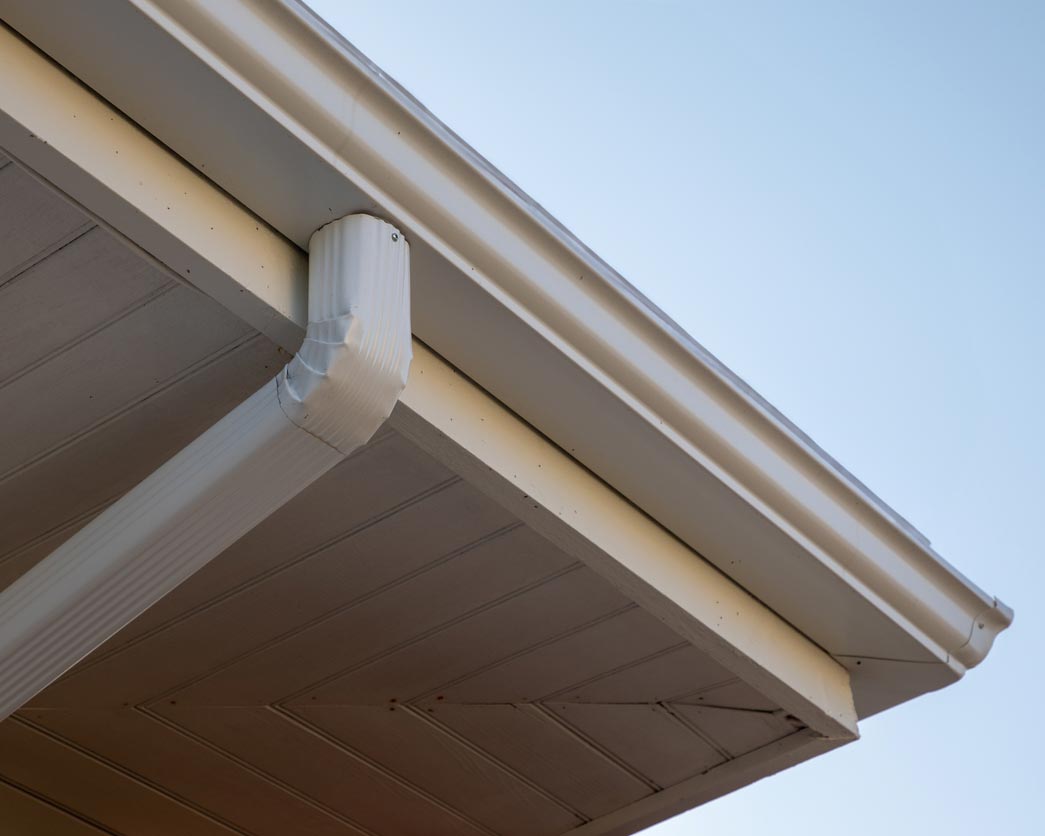
Reasons Gutters Sag And How To Fix Sagging Gutters
Most homeowners do not think about their gutters until something goes visibly wrong. A sagging section, water spilling over the edge during a rainstorm, or gutters pulling away from the fascia are the usual wake-up calls. The problem is that by the time sagging occurs and is obvious from the ground, it has often been causing damage for a while. Knowing how to fix sagging gutters starts with understanding why they sag in the first place. Here is what this post covers:
- The most common reasons gutters sag
- How to repair sagging gutters depending on the cause
- When repair makes sense versus full replacement
- FAQs homeowners in Northern Indiana ask most

Why Sagging Gutters Are a Bigger Problem Than They Look
A gutter that dips or pulls away from the roofline is not just an eyesore. It is a drainage system that has stopped working the way it was designed to. Water that should be channeling away from your home is now pooling in the sagging areas, overflowing onto your siding, and running toward your foundation.
According to FEMA, homes without proper drainage systems experience foundation damage at significantly higher rates, with foundation repairs ranging from $2,000 to over $15,000 depending on severity.
The Most Common Reasons Gutters Sag
Sagging gutters do not happen randomly. There are predictable causes, and most of them are either preventable or fixable without a full replacement.
1. Clogged Gutters Weighing Down the System
This is the most common cause of sagging in the South Bend area. When leaves and debris build up inside the gutter channel, they hold moisture and add significant weight. Multiply that across a full gutter run and the gutter brackets and hangers holding the system to the fascia start to give way.
- What it looks like: Gutters that sag between hangers, visible debris inside the channel, water spilling over the front lip during rain.
- How to fix it: Remove debris completely, then assess whether any hangers pulled away or bent under the weight. Damaged hardware needs to be replaced, not just re-nailed.
- How to prevent it: Clean gutters at least twice a year in Northern Indiana, in spring and in late fall. Gutter guards can reduce debris buildup significantly between cleanings.
2. Damaged or Spaced-Out Hangers
Gutter brackets and hangers are the fasteners that hold the gutter channel against the fascia board. They should be spaced no more than 24 to 36 inches apart. When hangers are spaced too far apart, installed incorrectly, or simply wear out, the gutter loses extra support and starts to sag between attachment points. Loose spikes from older spike-and-ferrule systems are a particularly common culprit on homes built before the early 2000s, since those fasteners back out of the fascia over time and cannot be driven back in reliably through existing holes.
- What it looks like: Visible dips in the gutter run, loose spikes sticking out of the fascia, or gaps between the back of the gutter and the fascia board.
- How to fix it: Replace loose spikes and worn gutter brackets with gutter screws driven into fresh locations rather than reusing existing holes. Hidden hanger systems with gutter screws hold significantly better in freeze-thaw climates. New hangers and gutter screws are readily available at any hardware store.
- How to prevent it: Specify hanger spacing of no more than 24 inches and use screw-in hidden hangers rather than spike-and-ferrule systems at installation.
3. Rotted or Damaged Fascia Board
The fascia board is what the gutter brackets attach to. When the fascia rots, hangers lose their grip no matter how well they were installed. Fascia rot is usually caused by water running behind the gutter rather than through it, which happens when gutters are pitched incorrectly, clogged, or pulling away from the roofline.
- What it looks like: Soft or spongy wood behind the gutter, paint peeling from the fascia in long strips, gutter screws and brackets that pull out with minimal force.
- How to fix it: The fascia board needs to be replaced before new hangers or gutters are installed. Putting new gutters on rotted fascia is a short-term fix that will fail quickly.
- How to prevent it: Drip edge installed correctly at the roof edge prevents water from wicking back behind the fascia. Keeping gutters clear and properly pitched reduces the overflow that causes fascia rot.

4. Improper Pitch
Gutters are designed to slope slightly toward the downspout, typically about a quarter inch of drop for every 10 feet of run. When gutters are installed level or pitched away from the downspout, water pools in the sagging areas rather than draining. Standing water adds weight, attracts debris, and accelerates corrosion over time.
- What it looks like: Water sitting in the gutter channel after rain has stopped, rust or staining concentrated in certain sections, sagging that returns quickly after repairs.
- How to fix it: The gutter run needs to be repositioned with the correct slope toward the downspout. This requires detaching and rehinging the full gutter section.
- How to prevent it: Pitch should be checked at installation and verified after any repairs by a roofing or gutter contractor.
5. Ice Dam and Freeze-Thaw Damage
Northern Indiana winters put specific stress on gutter systems. When ice dams form at the roof edge, the weight of ice building up in the gutter channel can bend, crack, and pull gutter brackets out of the fascia. Repeated freeze-thaw cycles compound the damage each year.
- What it looks like: Gutters that sag or pull away noticeably after winter, visible cracks in the channel, gutter brackets that were secure in fall and loose by spring.
- How to fix it: Assess bracket condition and fascia integrity each spring and replace what failed over winter before the spring rain season. Adding extra support with additional hangers spaced closer together helps in sections prone to ice buildup.
- How to prevent it: Proper attic insulation and ventilation reduces ice dam formation. Remove debris before winter to reduce the weight load when freezing begins.
6. Age and General Wear
Gutters do not last forever. Aluminum gutters typically last 20 to 25 years with reasonable maintenance. As materials age they become more susceptible to warping and pulling away from the fascia regardless of how well the system was originally installed.
- What it looks like: Multiple sagging areas, widespread bracket failure, visible warping or corrosion along the full run.
- How to fix it: At a certain point, individual repairs are no longer cost-effective. Full gutter replacement is the right call when the system is failing in multiple locations.
- How to prevent it: Regular maintenance extends gutter lifespan. Seamless gutters fabricated on-site, like the systems One Way installs, eliminate the seam joints where sectional gutters typically fail first.
We’re proud to serve homeowners and business owners in South Bend, Indiana, and nearby communities like Mishawaka, Elkhart, and Goshen with gutter installation, repair, and full roofing services.

How to Repair Sagging Gutters: Quick Reference
| Cause | Fix | Replacement Needed? |
| Clogged gutters | Remove debris, replace bent brackets | Usually not |
| Loose spikes or spaced-out hangers | Replace with gutter screws and hidden hangers | Usually not |
| Rotted fascia board | Replace fascia, then rehang gutters | Possibly |
| Improper pitch | Detach and rehang with correct slope | Possibly |
| Ice dam damage | Add extra support, replace failed hardware | Sometimes |
| Age and general wear | Full gutter replacement | Yes |
Common FAQs About Sagging Gutters
Sagging gutters come up often during roof and exterior inspections across the South Bend area. Here are the questions homeowners ask most.
Can I repair sagging gutters myself?
For minor sagging caused by loose spikes or a failed bracket or two, swapping in new gutter screws and brackets from a hardware store is manageable if you are comfortable on a ladder. Avoid reusing existing holes when driving new gutter screws since the wood there has already been compromised. For sagging caused by rotted fascia, improper pitch, or widespread failure, a professional repair is the right call.
How often should gutters be cleaned to prevent sagging?
At minimum, twice a year in Northern Indiana, once in spring and once in late fall. Homes with significant tree coverage may need cleaning three to four times a year. Removing debris regularly is the most cost-effective way to prevent premature sagging across the full gutter run.
When should sagging gutters be replaced rather than repaired?
If sagging occurs in multiple sections, the fascia is rotted, or the system is more than 20 years old with widespread wear, replacement is usually the better investment. Patching an aging system failing in several sagging areas typically costs more over time than replacing it with a properly installed seamless system.
One Way Construction and Roofing Gets Your Gutters Back on Track
Sagging gutters are one of those problems that seem minor until they are not. A section that pulls away this fall is sending water toward your foundation all winter, and the repair bill that follows is almost always bigger than the gutter job would have been.
At One Way Construction and Roofing, we fabricate seamless gutters on-site, cut to fit the exact run of your home. No seams, no joints, no weak points where sectional gutters typically fail first. We will come out same-day or next-day for a free inspection, tell you exactly what is causing the sag, and give you a straight answer on whether a repair or replacement makes more sense. One Way, the right way.
Call us at (574) 800-9750 or reach out at info@oneway.construction to schedule your free inspection today.
