

How Long Does A Roof Last? (8 Materials And Their Lifespan)
If you’re a homeowner wondering how long does a roof last, the answer depends on several factors—including the materials used, the quality of the installation, and the climate where you live. Knowing your roof’s expected lifespan helps you plan ahead for repairs or replacement before issues arise.
- Different roofing materials offer varying lifespans—from 15 to over 100 years.
- Climate, ventilation, and maintenance play a major role in roof longevity.
- Choosing the right material impacts your home’s protection, appearance, and value.
In this guide, we’ll explore the average lifespan of popular roofing materials, the key factors that influence durability, and signs it’s time to consider a new roof.
What Affects A Roof’s Lifespan?
How long does a roof last? While material is the main driver of longevity, other elements impact how long your roof will last.

Climate Conditions
- Heavy rain and humidity: Can wear down shingles, especially asphalt, faster than in dry climates.
- High winds and storms: May cause damage or blow shingles loose if not properly secured.
- Snow and ice: Lead to freeze-thaw cycles that degrade roofing materials over time.
Ventilation And Insulation
- Attic airflow: Helps prevent moisture buildup and reduces temperature extremes.
- Proper insulation: Minimizes the strain on roofing materials from internal heat loss or gain.
Maintenance And Repairs
- Regular inspections: Catching small issues like loose flashing or minor leaks early can prevent major damage.
- Gutter cleaning: Prevents water backup and ice dams that shorten roof lifespan.
How Long Does a Roof Last: What To Expect From Common Roofing Types
When choosing a new roof, it’s essential to weigh cost, appearance, and longevity. Here’s how the most popular materials compare:
- Asphalt Shingles (3-Tab): Typically last 15–20 years. These are the most affordable option, but they wear down faster than other types.
- Architectural Asphalt Shingles: Offer a 25–30 year lifespan. Thicker and more durable than 3-tab, they also add visual appeal.
- Metal Roofing: Can last 40–70 years. Resistant to wind, fire, and insects. Common metals include steel, aluminum, and copper.
- Wood Shingles And Shakes: Last 20–40 years, depending on maintenance and climate. Cedar is a popular choice for its durability and aesthetics.
- Clay Tiles: Known for their longevity, often lasting 50–100 years. They’re heavy and typically used in warmer climates.
- Concrete Tiles: Usually last 40–75 years. Similar to clay in durability but more budget-friendly.
- Slate Roofing: One of the longest-lasting materials, with lifespans of 75–100+ years. Very heavy and best suited for reinforced structures.
- Synthetic Roofing (Rubber, Plastic, Composite): Offers 30–50 years of performance with low maintenance. Designed to mimic slate, wood, or tile.
Signs It’s Time To Replace Your Roof
Even the most durable materials show signs of wear eventually. Look out for these red flags:

Visible Damage
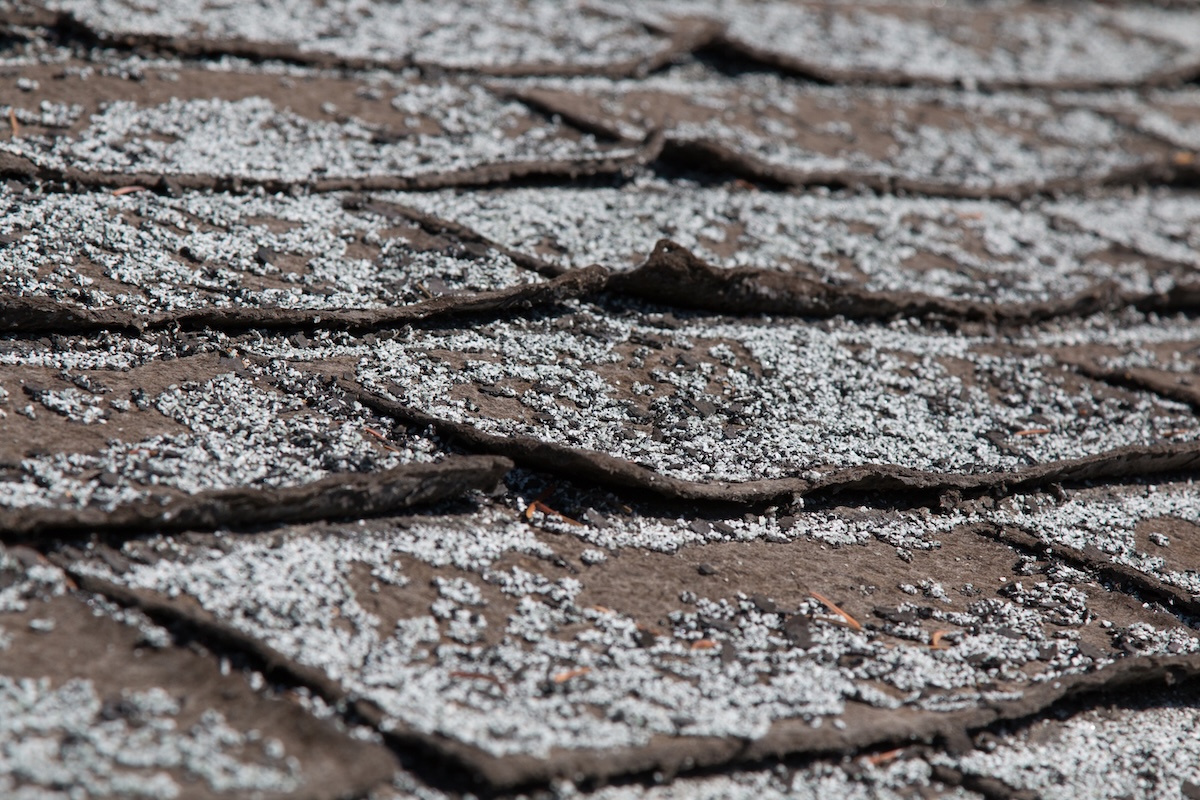
- Cracked or curled shingles: Indicate aging and vulnerability to leaks.
- Missing pieces: Openings in your roofline can expose your home to water damage.
Interior Clues
- Water stains on ceilings: Suggest leaks that may stem from worn roofing.
- Mold or mildew in attic: Poor ventilation or roof leaks can cause moisture problems.
Age Of Roof
- Passed lifespan: If your roof is beyond its expected years, it may fail without much warning.
- Previous repairs: Multiple patch jobs often signal it’s time for full replacement.
Tips To Extend The Life Of Your Roof
Schedule Annual Inspections
Having your roof inspected once a year by a trusted roofing contractor allows you to catch problems before they become costly. A professional can identify early signs of damage such as loose shingles, worn flashing, or small leaks—issues that may not be visible from the ground. These routine checkups also help keep your roof warranty valid by documenting proper upkeep and addressing minor concerns promptly.
Clean Gutters Regularly
When asking yourself how long does a roof last, remember the importance of cleanliness. Clogged gutters are a leading cause of water-related roof damage. When leaves, twigs, and debris pile up, water can overflow and collect at the roofline. This standing moisture can lead to rot, mold growth, and deterioration of roofing material. Cleaning your gutters at least twice a year—more often if you have trees nearby—helps preserve both your roof and your home’s foundation.
Trim Overhanging Branches
Tree limbs that hang too close to your roof can scrape shingles during high winds or heavy storms, causing physical damage and reducing the effectiveness of your roofing material. Falling branches can also break or puncture the surface, exposing your roof to leaks. Regularly trimming trees helps prevent debris buildup, reduces shading that traps moisture, and minimizes the risk of emergency roof repairs.
Install Proper Ventilation
Good attic ventilation balances airflow, allowing heat and moisture to escape. Without it, hot air gets trapped inside, increasing energy bills and accelerating the wear on your shingles. Excess moisture can also lead to mold and compromise insulation. Proper ventilation extends roof life, improves home comfort, and ensures your roofing contractor’s workmanship warranty or manufacturer warranty remains intact.
Address Storm Damage Promptly
After a major weather event, even minor damage should be taken seriously. High winds, hail, or flying debris can loosen shingles, crack flashing, or expose your underlayment. Small leaks or unnoticed punctures can grow into bigger problems over time. Contact a qualified roofing contractor right away to assess and repair any storm damage, keeping your roofing project on track and your roof warranty protected.
Choosing The Right Roof Material For Longevity

- Budget Vs Lifespan: Asphalt shingles are affordable but may need to be replaced sooner. Investing in a longer-lasting material like metal or tile can be more cost-effective over time.
- Regional Climate: Hot, humid, or storm-prone areas demand materials that can handle the elements. Metal and tile tend to perform better in harsh conditions than wood or low-grade asphalt.
- Home Architecture: Heavy materials like slate or clay may require structural reinforcement. Lighter options like architectural shingles or synthetic tiles work well for most homes.
Why Roof Lifespan Should Matter To Homeowners
Your roof is your home’s first line of defense against the elements. Answering the question, “how long does a roof last?” depends on performance, affecting everything from energy efficiency to resale value. Knowing how long a roof lasts helps you make smarter choices—whether you’re repairing, replacing, or buying a home.
Being proactive also lets you budget for replacements, plan upgrades that match your goals, and reduce stress when storm season rolls around.

Trust One Way Roofing To Help You Plan For The Future
Your roof isn’t just about covering your home—it’s about peace of mind. How long does a roof last? The answer depends largely on factors such as local weather conditions and ongoing maintenance. By considering these elements, homeowners can ensure they get the greatest value and longevity from their investment. At One Way Roofing, we offer professional inspections, expert recommendations, and top-quality installations tailored to your goals and budget.
Whether you need help choosing a long-lasting roofing material or want to know how many good years your current roof has left, our team is here to guide you every step of the way.
Contact One Way Roofing today for a free estimate and expert advice on how to protect your home for the long haul.
