

DIY vs. Pro: The Gutter Replacement Process Explained
Your home’s gutters are more than accessories; they’re a primary defense against water damage, foundation issues, and structural wear. If you’re considering gutter replacement, understanding the options, materials, and process will help you make the best long-term decision. Homeowners in Mishawaka often deal with seasonal rain, heavy leaf fall, and debris clogs, making reliable gutter systems especially important for year-round protection.
Below are the key areas this guide will cover to help you choose the right approach for your home:
- Why replacing gutters matters for long-term protection
- How the gutter installation process works
- Pros and cons of DIY vs. professional service
- Maintenance strategies to extend the life of your new gutter system
- Signs that indicate it’s time to replace older gutters
- Material comparisons including aluminum gutters, seamless gutters, copper gutters, and galvanized steel options
Why Gutter Replacement Matters for Your Home
Gutters redirect rainfall away from your roof and foundation, helping prevent expensive damage. Over time, gutters can rust, clog, warp, or pull away from your fascia boards. Replacing outdated gutters can greatly improve drainage and save money by reducing the risk of major repairs.

Preventing Water Damage
Effective gutters protect siding, windows, shingles, and attic spaces from moisture-related problems. This is especially important during long periods of rainfall common in Mishawaka.
Supporting Your Foundation
Improper drainage can cause soil to swell or wash away. Over time, this may create foundation cracks or shifts. A high-quality gutter installation helps prevent these issues.
Protecting Landscaping
Replacing gutters helps control water distribution and prevents soil erosion in garden beds, walkways, and lawns near your home.
Reducing Future Maintenance
Modern materials like seamless gutters or galvanized steel systems are designed to limit leaks, resist corrosion, and reduce long-term upkeep.
6 Key Steps in the Gutter Replacement Process

A clear understanding of the gutter installation process helps homeowners better plan timelines, budgets, and materials.
- Inspection and Assessment
A full evaluation identifies sagging sections, rust spots, pitch problems, and areas where water is flowing incorrectly. This step helps determine whether you need to replace gutters fully or address specific areas. - Measuring and Planning
Precise measurements ensure your new gutter system fits correctly. Planning includes selecting from options such as aluminum gutters, copper gutters, seamless gutters, or galvanized steel, based on budget and durability. - Removing Old Gutters
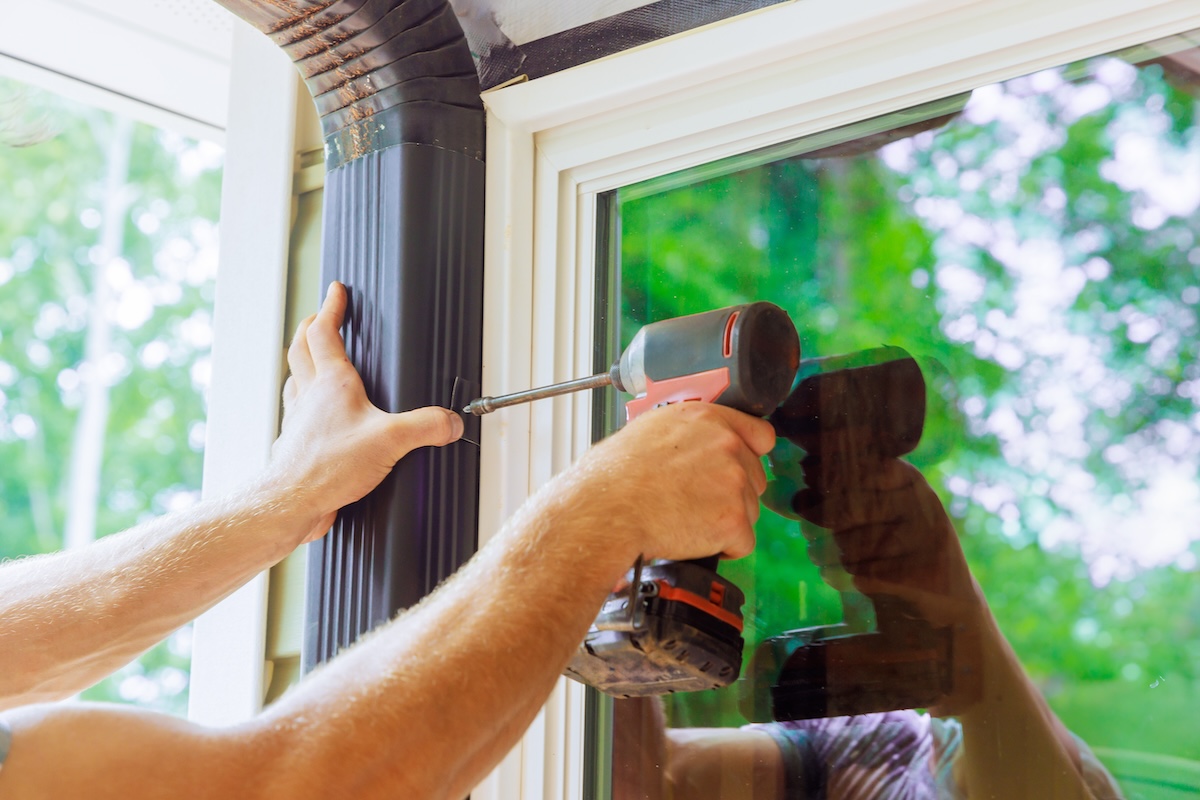
Old gutters are detached from fascia boards, downspouts are removed, and fasteners are pried away. This step requires careful technique to avoid damaging roof edges. - Installing New Gutters
New sections are cut and secured at a slight slope to promote proper water flow. This step is critical for preventing pooling. Seamless aluminum gutters are often preferred for their clean appearance and leak-resistant construction. - Securing Downspouts
Downspouts are installed or replaced to redirect water away from the foundation. Proper placement ensures efficient drainage. - Testing and Cleanup
Water is run through the new gutter system to confirm proper slope, drainage, and watertight seals. The job concludes with debris cleanup and disposal of old materials.
DIY Gutter Replacement: Pros and Cons
Some homeowners consider DIY projects to save money, but gutter installation involves working at heights and using specialized tools. Before beginning any DIY project, weigh the benefits and challenges.
Benefits of DIY
- Lower cost: Avoiding labor fees can reduce your overall gutter installation cost.
- Flexible schedule: You can complete the project at your own pace.
- Skill-building: Installing sections like seamless gutters or aluminum gutters yourself can teach useful home maintenance skills.
Challenges of DIY
- Safety risks: Working on ladders near roof edges increases the potential for falls.
- Tool requirements: Installing materials like copper gutters or galvanized steel often requires cutting and sealing equipment that must be purchased or rented.
- Higher chance of error: Incorrect slope, poorly sealed joints, or loose fasteners can lead to leaks and drainage problems.
- Longer timelines: DIY gutter installation typically takes several days for beginners.
Maintenance Tips to Extend the Life of Your Gutters

Whether you performed the gutter installation yourself or hired a professional, proper upkeep strengthens performance and longevity.
- Regular cleaning: Remove leaves and debris clogs at least twice a year to prevent backups.
- Check for damage: Look for cracks, rusting, loose brackets, or sagging areas, especially with galvanized steel or aging aluminum gutters.
- Maintain proper slope: Ensure gutters lean gently toward downspouts to support steady drainage.
- Install gutter guards: Guards help limit debris buildup and reduce annual cleaning time, particularly for seamless gutters or seamless aluminum systems.
- Trim nearby trees: Overhanging branches contribute to debris clogs, increasing wear and tear on your gutter system.
When DIY Is Not the Best Choice
Certain conditions make professional gutter replacement a much safer and more reliable option.
- Complex roof layouts: Multi-level or steep roofing increases installation difficulty and safety hazards.
- Severe gutter or fascia damage: Hidden rot or structural deterioration requires professional repair before you replace gutters.
- Tight timelines: Professionals can complete installation efficiently, which is useful when storms are approaching or when it’s clearly time to replace aging systems.
- Lack of tools or experience: Installing materials like seamless gutters, copper gutters, or galvanized steel requires tools that many homeowners do not own.
Signs It’s Time to Replace Your Gutters
When gutters begin to fail, the warning signs may start small but can quickly lead to major water damage if ignored. Recognizing these issues early helps you protect your home and avoid unnecessary repair costs.
- Sagging sections: Indicates structural weakening.
- Frequent leaks: Suggests worn seals or outdated systems.
- Overflow during rain: Signals pitch problems or debris clogs.
- Visible rust: Especially common in older galvanized steel systems.
- Pulling away from fascia: Often caused by wood rot or failing brackets.
- Cracks or splits: Impact overall performance and drainage.
DIY vs. Professional Gutter Replacement: Quick Comparison
| Factor | DIY | Professional |
| Cost | Lower upfront | Higher upfront but better long-term reliability |
| Safety Risks | High | Low |
| Quality Assurance | Depends on skill | Guaranteed |
| Time Investment | Longer | Shorter |
| Tools Required | Purchase or rent | Included |
Why Homeowners in Indiana Choose One Way Roofing
A high-quality gutter installation protects your home’s structure, foundation, and exterior from costly water damage. At One Way Roofing, we install aluminum gutters, seamless gutters, copper gutters, and galvanized steel systems designed for long-term performance.
We’re proud to serve home and business owners in Mishawaka, IN, and nearby communities with gutter replacement, repair, and installation services tailored to long-term durability.
If your home’s drainage system is showing signs of wear or it’s clearly time to replace outdated materials, contact One Way Roofing today to schedule your free inspection and explore the best new gutter system options for your home.
