


Flexible Downspout Extension For Heavy Rain: 5 Advantages
When a storm dumps inches of rain on your roof, all of that water funnels through your gutters and drops right beside your foundation unless something carries it farther away. A flexible downspout extension is a simple, affordable add-on that moves runoff several feet from your home, protecting your foundation, landscaping, and basement. Pairing this small upgrade with a properly installed gutter system built to handle heavy Midwest rainfall gives your property the best chance of staying dry season after season.
Here is what you will learn in this guide:
- Why the spot where your downspout water lands matters so much
- The top advantages of using a flexible downspout extension
- How to choose and install the right setup for your yard
- How flexible options compare to rigid and buried drain lines
- Seasonal tips for keeping your extension working all year
Why The Spot Where Your Downspout Water Lands Matters
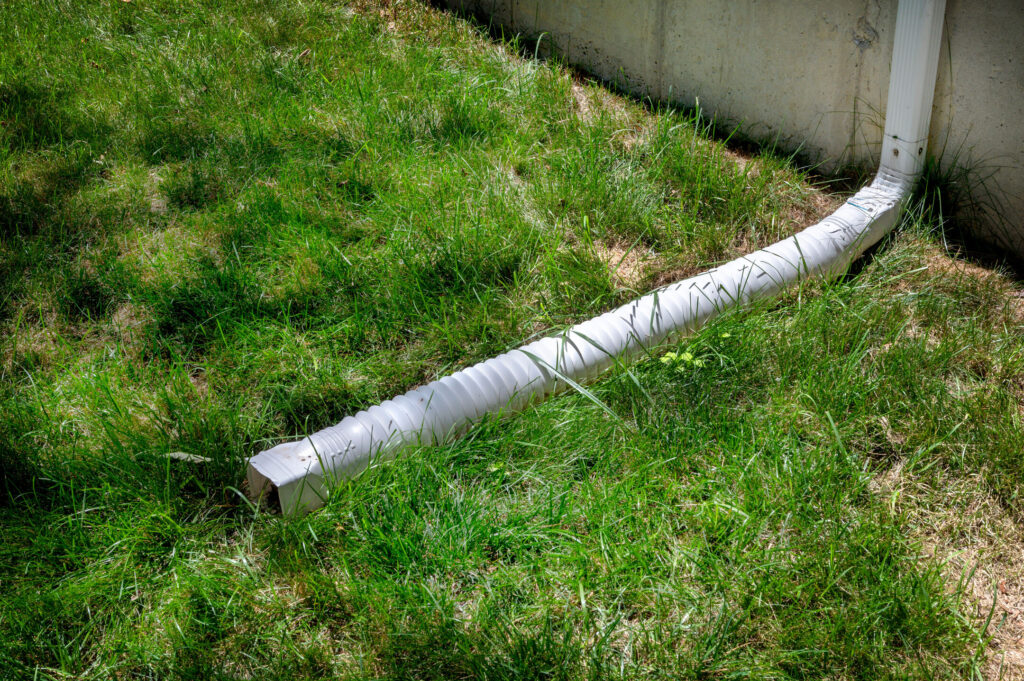
A typical roof sheds hundreds of gallons of water during a single heavy storm. If that water pools near your foundation, it can soak into the soil, push against basement walls, and slowly work its way into cracks. Extending the discharge point is one of the easiest ways to reduce that risk without a major project.
- Foundation protection: Directing water away from the base of your home reduces the pressure and moisture that can lead to cracks and seepage.
- Basement dryness: Keeping runoff farther from the house lowers the chance of damp walls, musty odors, and standing water in lower levels.
- Landscape preservation: Moving water away from flower beds and walkways prevents soil washout, erosion, and drowned plants.
- Siding and trim care: Less splashback means less dirt, moisture, and staining along the lower portion of your exterior walls.
- Lower repair costs: Preventing water problems early is almost always cheaper than fixing foundation or interior damage later.
5 Advantages Of A Flexible Downspout Extension
There are several ways to carry water away from a downspout, but a flexible extension stands out for its mix of low cost and easy use. Below are the five biggest advantages homeowners notice when heavy rain arrives.
1. Easy And Affordable Installation
Most flexible extensions attach directly to the bottom of an existing downspout with a simple connector or a few screws. There is no digging, no special tools, and no need for a contractor in many cases, which makes this one of the most budget friendly drainage upgrades available.
- Typically installs in minutes with basic hand tools
- Costs far less than trenching or buried drain lines
- Works with most standard downspout sizes
2. Adjustable Reach And Direction
Because the material bends and stretches, you can aim water exactly where you want it to go. This is helpful on yards with slopes, flower beds, patios, or tight side setbacks where a rigid pipe would not fit well. Many homeowners aim the discharge several feet from the foundation and toward the lowest, driest part of the yard.
- Bends around corners, walkways, and landscaping
- Can be lengthened or shortened to suit changing needs
- Easy to reposition after a storm if the ground shifts
3. Better Performance During Heavy Rain
During a downpour, a flexible extension can carry a large volume of water well away from the house in a steady flow. Some styles stay closed when dry and open automatically as water pushes through, so they handle surges without staying in the way. Homeowners in Granger and surrounding areas who deal with fast spring storms often find this extra reach makes a visible difference around the foundation.
- Moves water far enough to avoid pooling at the base of the wall
- Pop up styles open under pressure and settle back when the rain stops
- Reduces soil saturation next to the foundation
4. Protection For Landscaping And Hardscape
Concentrated water falling from a downspout can dig small trenches in the soil, wash away mulch, and undermine walkways or patios over time. A flexible extension spreads the discharge farther out, which reduces the force of the water and keeps your yard looking intact.
- Prevents soil erosion near downspout outlets
- Protects mulch, plants, and decorative stone
- Keeps patios and steps from settling or shifting
5. Simple Maintenance And Replacement
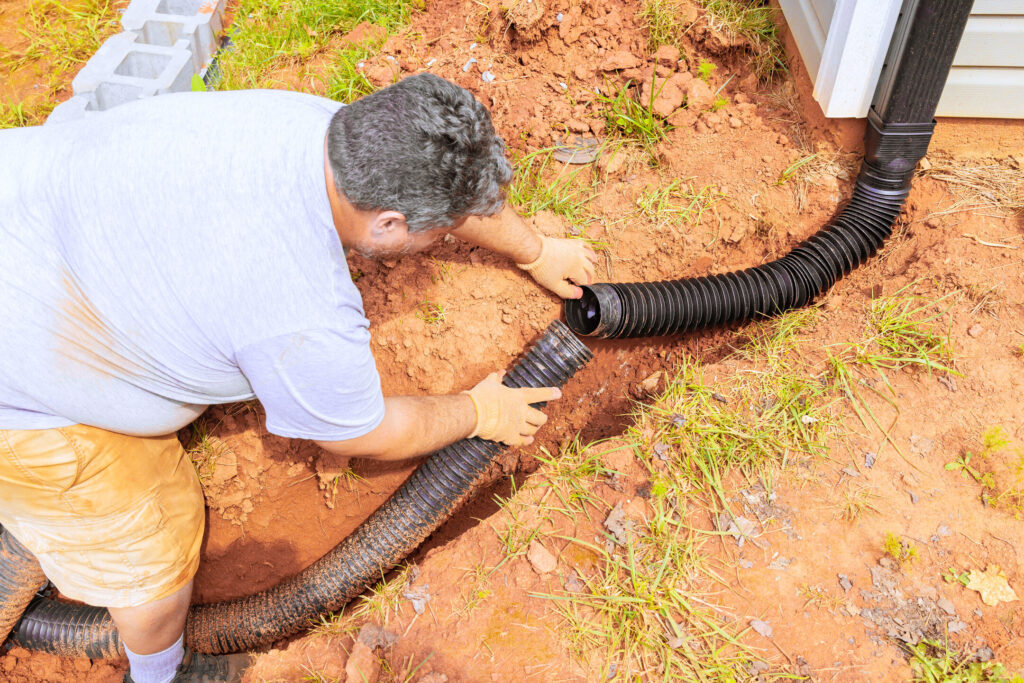
If a section gets damaged by a mower, snow, or a stray ladder, it is quick and inexpensive to swap out. Most flexible extensions can also be disconnected, flushed, and stored when not needed, which gives you plenty of control over how your drainage system is set up through the seasons.
- Cleans out easily with a garden hose
- Replaces in minutes if it cracks or crushes
- Can be stored or detached when mowing or shoveling
Choosing And Installing The Right Setup
Getting the most from a flexible extension comes down to a few practical choices. Taking a little time to plan the layout will help the extension perform well when the heaviest storms roll through.
Start With The Right Length
Most guidance suggests carrying water at least four to six feet from the foundation, and more if your yard slopes toward the house. If your lot is flat or the soil drains slowly, a longer run will usually protect your home better.
Check The Slope Of Your Yard
Water follows gravity, so the extension should end at a point lower than where it starts. If the ground slopes back toward the house, you may need to regrade the area or choose a longer setup that reaches a naturally lower spot. Many yards in Granger and surrounding areas have gentle grades that are easy to overlook, so walking the property during a rainstorm to see where water actually travels can save you from guessing.
Pick A Durable Material
Thicker, UV resistant material lasts longer in direct sun and holds its shape better in cold weather. Cheaper thin versions can crack or collapse sooner, especially after a few seasons of freezing and thawing.
Secure The Connection
A loose connection can slip off during a heavy storm, sending water straight back to the foundation. Use the connector made for your downspout size and add a screw or clamp if needed to keep it firmly in place.
Watch Where The Water Goes
Be mindful of neighboring property, sidewalks, and driveways. Directing runoff toward a public walkway can create icy patches in winter, and sending it onto a neighbor’s yard can lead to disputes or local code issues.
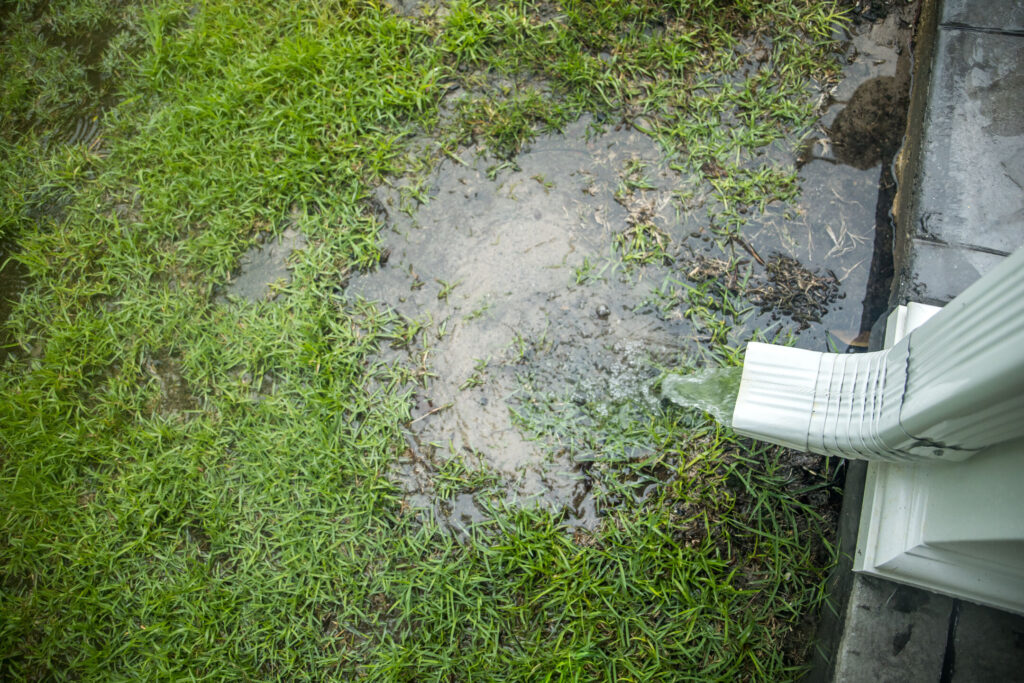
Comparing Gutter Downspout Extensions To Other Drainage Options
A flexible extension is not the only way to move water away from your home. Looking at how it compares to other common options can help you decide what fits your property best.
| Option | Typical Cost | Installation | Best Suited For |
| Flexible corrugated extension | Low | Simple, no digging | Most homes needing an affordable, adjustable fix |
| Roll up or pop up extension | Low to moderate | Simple, attaches to downspout | Yards where mowing and foot traffic are a concern |
| Rigid extension pipe | Moderate | Easy to moderate | Straight, flat runs where a fixed path works well |
| Buried drain line | Higher | Trenching required | Homes wanting a hidden, permanent drainage solution |
When A Flexible Option Makes The Most Sense
A flexible extension is a great fit for homeowners who want a quick, low cost improvement or who rent or may change their yard layout later. It is also a practical first step while you evaluate larger drainage projects. Because the cost is so low, many homeowners add one to every downspout on the house and then fine tune the layout as they learn how water behaves across their yard.
When To Consider A More Permanent Solution
If water regularly pools in the same spot or your property has serious grading issues, a buried line or regrading project may be a better long term answer. An experienced contractor can help you evaluate whether a simple extension is enough or if a bigger fix is needed.
Seasonal Care Tips
In winter, ice can build up inside a corrugated extension and block water flow, so it is wise to detach or roll up the extension when freezing weather settles in. Homeowners in Granger and surrounding areas who see heavy snowmelt in spring should check that the extension is clear of ice and debris before the thaw begins.
Keep Your Gutters Clean
Even the best extension cannot do its job if the gutters above it are clogged. Clearing leaves and debris at least twice a year keeps water moving through the system instead of overflowing near the foundation. Checking the downspout outlet at the same time helps you catch clogs, loose connectors, or sections of the extension that have shifted out of position.
Keep Heavy Rain Away From Your Foundation
A flexible downspout extension is a small investment that can protect your foundation, landscaping, and basement from the damage heavy rain can cause. Pairing it with healthy gutters, smart grading, and regular maintenance gives your property a strong defense against storm season. Homeowners throughout Granger and surrounding areas count on experienced professionals to make sure every part of their drainage system works together.
If you are dealing with overflowing gutters, pooling water, or a downspout setup that is not keeping up with heavy rain, the team at One Way Construction and Roofing is here to help. Reach out and contact us today to schedule a consultation and keep your home protected through every storm.
