

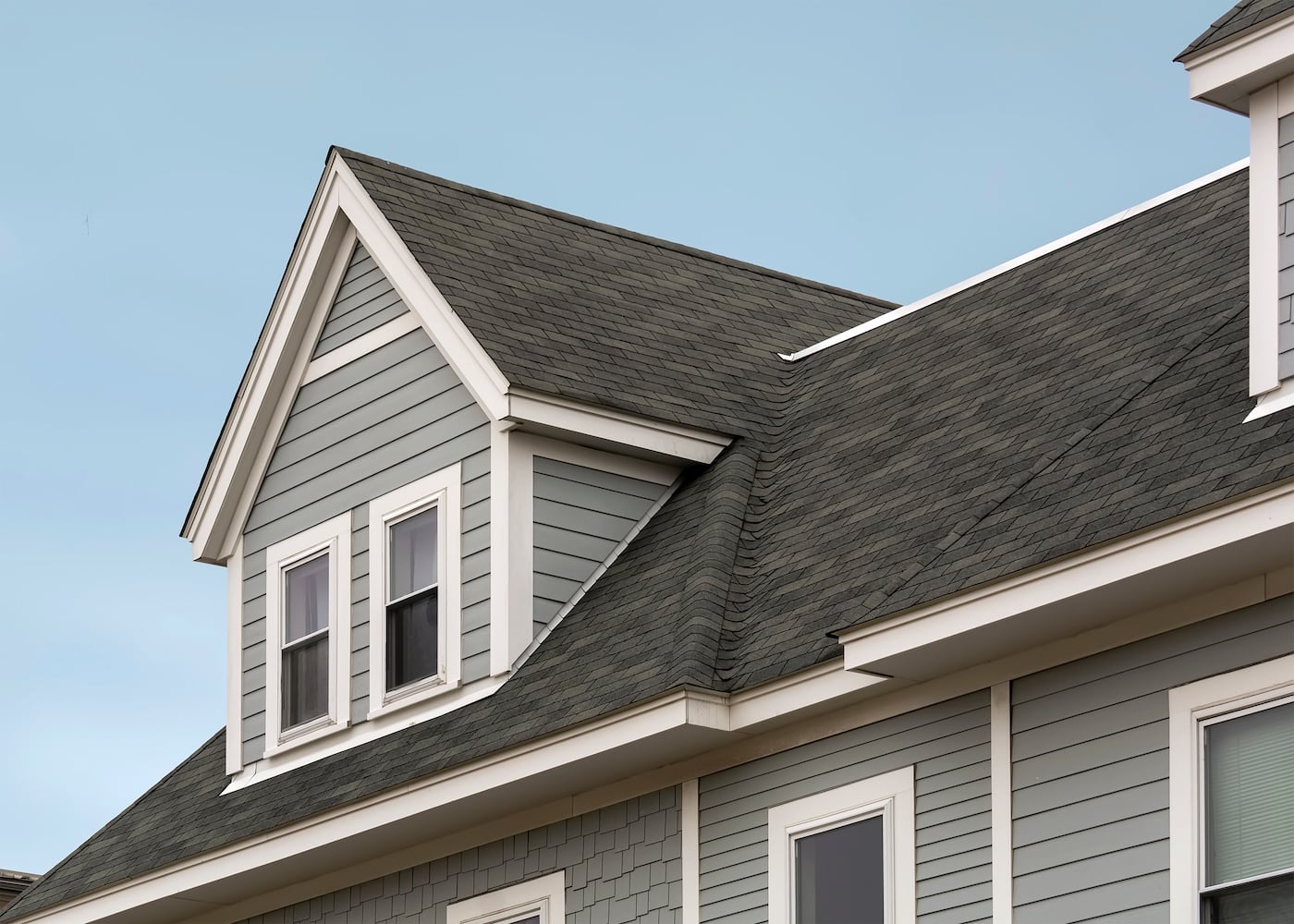
Dutch Gable Roof Styles (6 Popular Architectural Looks)
Dutch gable roof designs are a unique blend of style and function, combining the classic slope of a hip roof with the added space and visual appeal of a gable. Homeowners love this roofing style for its ability to improve attic space, boost curb appeal, and provide better ventilation compared to traditional designs. In this guide, we will explore what makes this roof style stand out and the most popular variations you will see on homes today.
- What a Dutch gable roof is and how it works
- The most common styles and design variations
- Benefits compared to other roof types
- When this style is the right fit for your home
What Is A Dutch Gable Roof?
A Dutch gable roof is essentially a hybrid design. It combines a hip roof, which slopes on all sides, with a small gable section added at the top. This creates a more visually dynamic roofline while also increasing usable space in the attic.

This design is especially popular for homeowners who want the durability of a hip roof but do not want to sacrifice interior space. The added gable allows for better airflow and can even support additional windows for natural light. In many homes, this extra ventilation helps regulate attic temperatures, which can reduce strain on your HVAC system and improve overall energy efficiency.
Another advantage is how this design supports a strong roof deck structure. Because of the way the slopes distribute weight, it can offer stability while still giving you more design flexibility compared to a standard gable or hip roof.
Why Homeowners Choose Dutch Gable Roofs
Before diving into specific styles, it is helpful to understand why this roof design is so popular. It offers both functional and aesthetic advantages that appeal to many homeowners.
Improved Ventilation
The gable portion allows for better airflow compared to a standard hip roof. This helps reduce moisture buildup that could otherwise lead to water damage or mold growth inside your attic.
Added Attic Space
Because of the vertical gable section, homeowners gain more usable space in the attic. This can be beneficial for storage or even future living space if you are considering a renovation down the line.
Enhanced Curb Appeal
Dutch gable roofs add architectural interest and make a home stand out. They are often used in homes where appearance is just as important as performance. This added visual appeal can even increase resale value, especially in competitive housing markets.
Better Water Runoff
Like hip roofs, this design allows water to drain efficiently, which helps reduce the risk of long-term structural issues. This is especially important in areas that experience heavy rain or snow throughout the year.
6 Popular Dutch Gable Roof Styles
There are several variations of this roof design, each offering a slightly different look and function. Choosing the right one depends on your home’s architecture and your personal preferences.

- Traditional Dutch gable: A classic design with a centered gable sitting on top of a hip roof for a balanced, symmetrical look.
- Offset Dutch gable: The gable is positioned off-center, creating a more modern and dynamic appearance.
- Cross Dutch gable: Multiple gables intersect, adding depth and complexity to the roofline.
- Front-facing Dutch gable: The gable is placed at the front of the home, enhancing curb appeal and making a strong visual statement.
- Dormer-style Dutch gable: Incorporates dormer windows into the gable for added light and functionality.
- Decorative Dutch gable: Features detailed trim, unique shapes, or accents to elevate the architectural style of the home.
Each of these styles can be customized further with different materials such as asphalt shingles or metal roofing. The choice of material can impact both the longevity and overall appearance of the roof.
Dutch Gable Roof Vs Other Roof Types
When choosing a roof style, it helps to compare your options. Dutch gable roofs offer a middle ground between functionality and design.
| Roof Type | Key Advantage | Potential Drawback |
| Hip Roof | Strong and wind-resistant | Limited attic space |
| Gable Roof | Simple and cost-effective | Less wind resistance |
| Dutch Gable Roof | Balanced design and space | Slightly more complex build |
One important consideration is that Dutch gable roofs require precise planning and proper installation. Because they combine two roof styles, any mistakes during construction can lead to long-term issues like leaks or uneven weight distribution. Working with experienced professionals ensures your roof performs as intended.
Is A Dutch Gable Roof Right For Your Home?
While this style has many benefits, it is not the right fit for every home. Factors like budget, climate, and structural design all play a role in the decision.
Best Situations For This Style
Homes in areas with moderate weather conditions and homeowners looking for added attic space often benefit the most from this design. It works well on both traditional and modern homes and can complement a wide range of architectural styles.
Things To Consider
Because this design is more complex than a standard roof, the upfront cost may be slightly higher. However, many homeowners find that the added functionality and visual appeal make it a worthwhile investment over time. It is also important to ensure your home’s structure can support the design, especially if you are replacing an existing roof.
Maintenance Tips For Dutch Gable Roofs
Maintaining a Dutch gable roof is similar to caring for other roofing systems, but there are a few additional considerations due to its design.

- Inspect multiple slopes: The combination of roof angles means more areas where debris or damage can occur.
- Check for leaks at transitions: Where the gable meets the hip roof is a key area to monitor.
- Keep gutters clear: Proper drainage prevents water buildup and protects against long-term damage.
- Schedule regular inspections: Professional inspections can catch small issues before they turn into costly repairs.
Staying on top of maintenance helps extend the lifespan of your roof and protects your home from unexpected problems. We’re proud to serve home and business owners in Mishawaka, IN, and nearby communities with roofing solutions, inspections, and more.
Upgrade Your Home With One Way Roofing
Choosing the right roof style is about more than looks. It is about protecting your home, improving efficiency, and making a long-term investment that pays off.
At One Way Roofing, we understand that every home is different. Whether you are considering a Dutch gable roof, need a roof repair, or are planning a full replacement, our team provides honest recommendations and quality workmanship.
We focus on proper installation, clear communication, and delivering results that last. If you are ready to explore your options or need expert guidance, reach out to One Way Roofing today to schedule your inspection.
