

7 Common Uses For Corrugated Plastic Roof Panels
If you’ve ever looked up at a covered patio, a backyard greenhouse, or a storage shed and noticed those wavy, semi-transparent panels letting in a warm glow of sunlight, you’ve seen corrugated plastic roof panels in action. These lightweight, weather-resistant panels have become a go-to material for homeowners and builders across the country, and for good reason. They’re affordable, easy to install, and surprisingly durable for a wide range of outdoor applications.
In this post, we’ll walk through:
- What corrugated plastic roof panels actually are
- The most common uses for residential and DIY projects
- The difference between polycarbonate and PVC panels
- How to choose the right panel for your project
- Common FAQs homeowners ask before buying
We’re proud to serve home and business owners in South Bend, Indiana, and nearby communities with roofing services and more. Whether you’re a hands-on homeowner tackling a weekend project or just doing research before you call a pro, this guide has you covered.
What Are Corrugated Plastic Roof Panels?

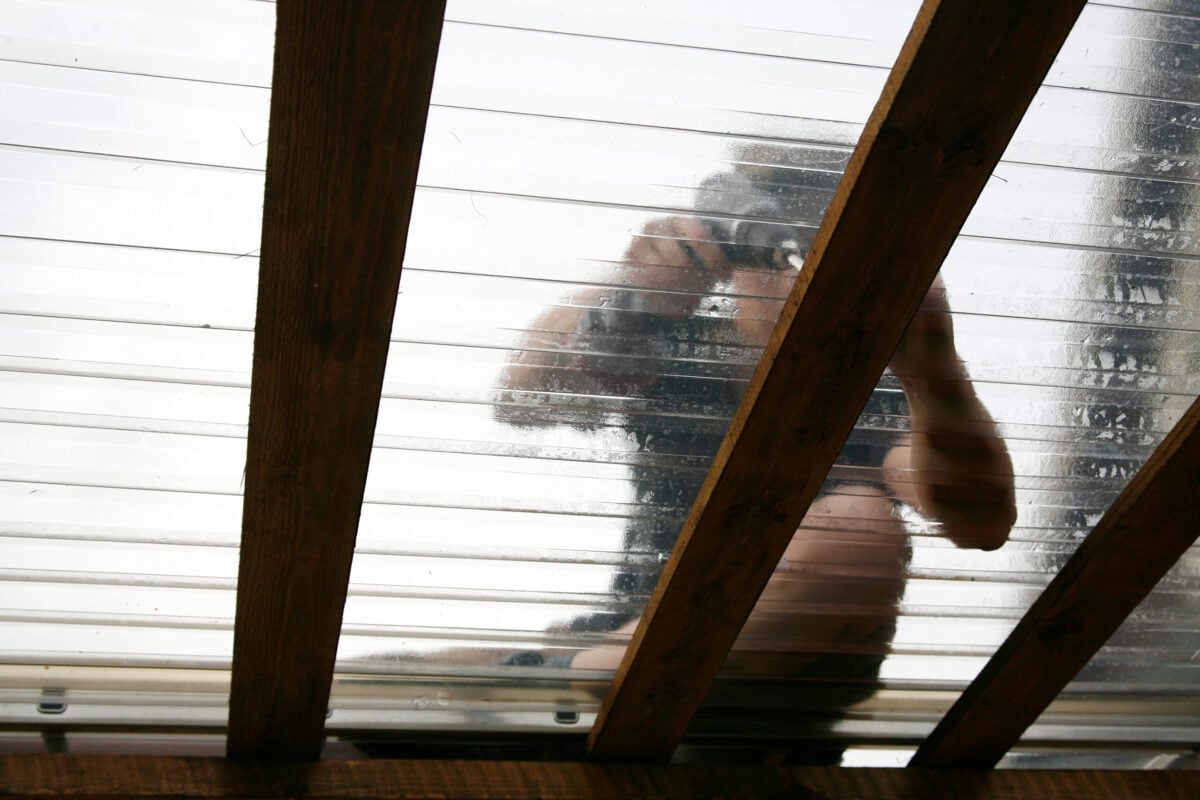
Corrugated plastic roof panels are roofing sheets made from either polycarbonate or PVC resin, shaped into a repeating wave pattern that adds structural rigidity without adding weight. That wavy profile isn’t just for looks. It channels water off the surface efficiently, which is exactly what you want from any roofing material.
These plastic sheets are widely available at home improvement stores in a range of colors, thicknesses, and lengths. Clear and tinted options let you control how much light filters through, which makes them especially useful in covered spaces where natural light is a bonus rather than a problem.
Two main materials dominate the market:
- Polycarbonate: A high-performance thermoplastic known for exceptional impact resistance and light transmission. It’s the stronger, longer-lasting option and typically carries a longer warranty.
- PVC (polyvinyl chloride): A more budget-friendly option suited for lighter-duty applications like small sheds or temporary shelters. It’s easy to cut and install but may yellow or become brittle over time with prolonged UV exposure.
7 Common Uses For Corrugated Plastic Roof Panels
Corrugated plastic roof panels are one of the most versatile building materials in the DIY world. Here’s where homeowners put them to work most often.
1. Covered Patios and Pergolas
A covered patio is probably the most popular residential use for corrugated plastic panels. Homeowners stretch them across pergola frames and patio covers to create a shaded, rain-protected outdoor space that still feels open and bright. Clear or tinted polycarbonate panels let sunlight filter through while blocking the UV rays that fade furniture and flooring underneath. It’s a practical way to extend your usable outdoor space without committing to a full addition.
2. Backyard Greenhouses
Greenhouses are where corrugated plastic panels truly shine. Plants need light, but too much direct sun can scorch leaves and overheat the space. Corrugated polycarbonate panels diffuse sunlight evenly, delivering the warmth and brightness plants need without the harsh intensity of direct rays. They also retain heat better than single-pane glass, which helps extend the growing season in colder climates like Northern Indiana. Flexible enough to bend into arched roof designs, these panels work well for both small hobby greenhouses and larger growing structures.
3. Carports
A standalone carport is a practical way to protect vehicles without the cost or permanence of an attached garage. Corrugated plastic panels cover the roof frame quickly and hold up well to rain, hail, and snow load when installed at the correct pitch. Polycarbonate panels in particular offer solid impact resistance, which matters during storm season.
4. Storage Sheds
Sheds take a beating. They sit outside year-round and deal with everything the weather throws at them. Corrugated plastic panels are a popular roofing choice for sheds because they’re lightweight, easy to replace if damaged, and available in opaque options that keep the interior cooler in summer. PVC panels work well for basic garden sheds, while polycarbonate is the better call for sheds storing temperature-sensitive equipment or tools.
5. Walkways and Covered Breezeways
Covered walkways between buildings are another common application. Corrugated panels span the gap between two structures, giving you a sheltered path that stays dry without blocking daylight. This setup is common in commercial properties, agricultural operations, and larger residential properties where connecting two structures under a single covered path makes practical sense.
6. Skylights in Metal Roof Structures
Here’s one that surprises a lot of people. You can integrate corrugated plastic panels directly into a metal roof by alternating opaque metal sheets with clear polycarbonate panels. The result is a built-in skylight effect that floods the interior of a barn, workshop, or storage building with natural light. No electrical work, no expensive glass installation. Just clear panels spaced strategically across the roofline.
7. Chicken Coops and Animal Shelters
Backyard chicken coops, livestock shelters, and small animal enclosures benefit from the same qualities that make these panels popular elsewhere. They’re rot-proof, easy to clean, and let in enough light to keep the space functional without requiring electrical lighting during the day. For anyone raising backyard chickens in the Midwest, where winters get cold and summers get humid, a well-ventilated coop with a corrugated plastic roof is a smart, low-maintenance solution.
Polycarbonate vs. PVC: A Quick Comparison

Choosing between polycarbonate and PVC panels comes down to your project’s demands and your budget.
| Feature | Polycarbonate | PVC |
| Impact Resistance | Excellent | Moderate |
| UV Protection | Built-in coating standard | Varies by brand |
| Light Transmission | Up to 90% | Good, but can yellow |
| Typical Warranty | 10 years to lifetime | 5 years |
| Price Point | Higher | Lower |
| Best For | Greenhouses, patios, carports | Sheds, budget projects |
| Weight | Lightweight | Very lightweight |
For anything that needs to last more than a few years or faces regular weather stress, polycarbonate is the smarter investment. Polycarbonate exhibits up to 250 times more impact resistance than glass, making it a genuinely durable roofing material for outdoor structures that need to hold up season after season.
What to Look for When Buying Corrugated Plastic Panels
Not all panels are the same, even within the polycarbonate category. Here’s what to check before you buy for your next roofing project:
- UV coating: Look for panels with a co-extruded UV protective layer on the exterior side. Without it, panels can yellow and become brittle within a few years of sun exposure.
- Thickness: Thicker panels handle more load and last longer. For patios and carports, panels in the 0.063-inch range or higher are a good starting point.
- Corrugation profile: Make sure your panels match the corrugation profile of any closures, ridge caps, or accessories you buy. Mismatched profiles leave gaps where water can get in.
- Color and light transmission: Clear panels maximize light. Tinted options reduce glare and heat buildup underneath.
- Warranty: A reputable brand should back polycarbonate panels with at least a 10-year limited warranty. Be skeptical of anything with less.
- Weight advantage: Corrugated plastic panels are roughly 16 times lighter than glass, which means they require less structural support from the framing underneath and are far easier to handle during installation.
Common FAQs About Corrugated Plastic Roof Panels

Homeowners shopping for corrugated plastic panels tend to run into the same questions before they buy. We’ve pulled the most common ones together here so you can make a confident call before your project gets started.
How long do corrugated plastic roof panels last?
Quality polycarbonate panels with a UV protective coating typically last 10 to 20 years before showing significant yellowing or degradation. PVC panels have a shorter lifespan, usually 5 to 10 years depending on sun exposure and climate. Proper installation, including correct fastening and sealed closures, plays a big role in how long your panels hold up.
Can corrugated plastic panels handle snow load?
Yes, when installed correctly. The key is pitch. Panels should be installed at a minimum 10% slope to allow water and snow to drain off rather than accumulate. If you’re in Northern Indiana, where winter snowfall is a regular reality, opt for polycarbonate over PVC for better structural performance under load. The lightweight nature of these panels also means less stress on your framing compared to heavier roofing materials.
Are corrugated plastic panels easy to cut?
One of the big selling points. Both polycarbonate and PVC panels can be cut with basic woodworking tools, including a circular saw with a fine-tooth blade. No special equipment needed. Panels are also flexible enough to bend slightly during installation, which helps when working with curved or irregular framing.
Can I walk on corrugated plastic roof panels?
No. These panels are not designed to support foot traffic. Walking on them can crack or permanently deform the material. If you need to access a roof covered with plastic panels for maintenance, use proper staging or work from a ladder positioned outside the panel area.
Do corrugated plastic panels require maintenance?
Minimal maintenance is one of the main advantages. An occasional rinse with mild soap and water keeps panels clean and maintains light transmission. Avoid abrasive cleaners or pressure washing at close range, which can scratch the UV protective surface.
One Way Construction and Roofing: Here When Your Home Needs More Than a DIY Fix
Corrugated plastic panels are a great solution for backyard projects. But when the question is your home’s actual roof, the stakes are different. A failing shingle, a slow leak, or hail damage from a bad storm isn’t a weekend fix.
One Way Construction and Roofing has been serving South Bend and Northern Indiana since 2018. We hold three manufacturer certifications: GAF System Plus, CertainTeed 3-Star Protection, and IKO Select. Most local contractors hold one. We hold three, which means we can offer extended warranty options and premium shingle systems that a lot of our competitors simply can’t match.
If your roof has been through a tough Indiana winter and you’re not sure what shape it’s in, we’ll come take a look. Same-day or next-day, free inspection. We’ll tell you straight whether a repair will hold or whether a replacement makes more sense. No pressure, no upsells.
Contact our team to schedule your free roof inspection today. That’s One Way, the right way.
