

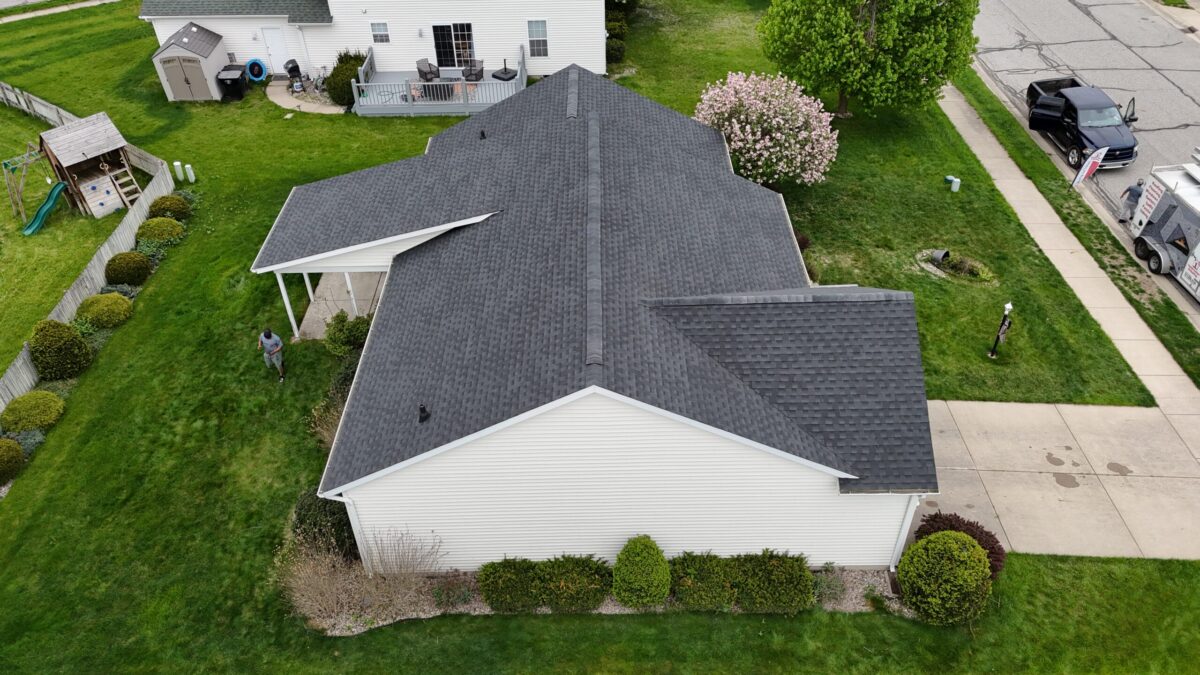
Installation Differences In Composition Roof Vs Shingles
Homeowners researching roof replacement options often come across the terms composition roofing and asphalt shingles used interchangeably, which can create confusion when planning a project. Understanding the composition roof vs shingles comparison is important because installation methods, materials, and layering techniques can vary depending on the specific product chosen, directly affecting durability and cost. Before starting any exterior upgrade, including a fresh look with a new siding installation designed to complement your roofline, it helps to understand exactly what you are comparing and how each option is installed.
Here is what you will learn in this guide:
- What the term composition roof actually refers to
- How installation methods differ between composition and standard shingles
- The key factors that affect durability and performance
- What to expect during a professional installation process
- How to choose the right option for your home and budget
Why Understanding Composition Shingles Vs Asphalt Shingles Terminology Matters

Roofing terminology can be confusing since composition roofing is technically a category that includes asphalt shingles rather than a completely separate material. Composition shingles are made from a combination of materials, including fiberglass or organic mat, asphalt, and mineral granules, which is where the term composition comes from. Understanding these distinctions helps homeowners communicate clearly with contractors and avoid confusion when comparing quotes, especially since pricing and warranty terms can vary significantly between the different composition shingle styles available on the market today.
- Clearer communication: Knowing the correct terminology helps you discuss your project accurately with roofing contractors.
- Better product comparisons: Understanding the differences between shingle types within the composition category helps you compare apples to apples.
- Informed budgeting: Different composition shingle styles come with varying material and installation costs.
- Realistic expectations: Knowing what installation involves helps you set accurate timelines and expectations for your project.
- Long-term satisfaction: Choosing the right composition shingle type for your climate and home style leads to better long-term results.
6 Key Installation Differences In Composition Roof Vs Shingles
While composition roofing and asphalt shingles are closely related, the specific type of composition shingle chosen affects how the installation process unfolds. Below are the six most important installation differences homeowners should understand.
1. Underlayment Requirements
Standard three-tab composition shingles typically require a single layer of felt or synthetic underlayment as a moisture barrier beneath the shingles. Architectural or dimensional composition shingles, which are thicker and heavier, often call for enhanced underlayment systems, including ice and water shield in vulnerable areas like eaves and valleys.
- Basic felt underlayment works well for lighter, three-tab shingle installations
- Synthetic underlayment offers improved tear resistance for heavier shingle types
- Ice and water shield is recommended in areas prone to ice damming
2. Nailing Patterns And Fastening Methods
Three-tab composition shingles generally use a straightforward, four-nail pattern per shingle, while architectural composition shingles often require a six-nail pattern due to their increased weight and thickness. Correct nail placement is critical for both types, since improper fastening can void manufacturer warranties and increase the risk of wind damage.
- Four-nail patterns are standard for lighter three-tab shingles
- Six-nail patterns provide added wind resistance for heavier architectural styles
- Nail placement location on the shingle affects long-term performance significantly
3. Layering And Overlap Techniques
Composition shingle installation relies on precise overlap patterns to ensure water sheds correctly across the roof surface. Architectural shingles often have a more complex layering pattern due to their dimensional design, which creates a thicker, more textured appearance compared to the flatter profile of three-tab shingles.
- Proper overlap prevents water infiltration at shingle seams
- Architectural shingles create added depth through layered tab designs
- Consistent alignment during installation affects both appearance and performance
4. Ventilation And Roof Deck Preparation
Both composition shingle types depend on proper attic ventilation to prevent heat and moisture buildup beneath the roofing material. Homeowners in Goshen and surrounding areas replacing an older roof should have their roof deck inspected for damage or inadequate ventilation before new composition shingles are installed, since correcting these issues upfront prevents premature shingle failure.
- Balanced intake and exhaust ventilation extends shingle lifespan
- Damaged roof decking should be replaced before installing new shingles
- Proper deck preparation ensures a smooth, even installation surface
5. Installation Time And Labor Costs

Three-tab composition shingles are generally faster to install due to their lighter weight and simpler design, while architectural composition shingles require more time due to their added thickness and more detailed nailing requirements. Homeowners should factor these differences into project timelines when planning a roof replacement.
- Three-tab installations typically move faster across large roof areas
- Architectural shingle installations may take additional time for cutting and alignment
- Experienced installation crews can help minimize delays regardless of shingle type
6. Ridge Cap And Hip Installation
Three-tab composition shingles are often cut down from standard shingle tabs to create ridge caps, a method that works well but does not always match the thickness of the field shingles. Architectural composition shingles typically require dedicated, purpose-built ridge cap products designed to match their dimensional profile, which helps maintain a consistent appearance and better wind resistance along the roof’s most exposed edges.
- Purpose-built ridge caps provide improved durability at hips and ridges
- Mismatched ridge cap thickness can create a less finished appearance
- Proper ridge cap installation is critical for preventing wind driven rain infiltration
Comparing Composition Roofing To Asphalt Roofs And Other Roofing Materials
Beyond the basic installation differences, choosing the right type of composition shingle for your specific home and climate can significantly affect long-term performance. A few additional considerations can help guide this decision.
Climate Considerations
Homes throughout Goshen and surrounding areas that experience heavy snow, wind, and temperature swings benefit from the added durability of architectural composition shingles, which are generally rated for higher wind resistance than standard three-tab options.
Warranty Coverage Differences
Architectural composition shingles often come with longer manufacturer warranties compared to three-tab shingles, reflecting their increased durability and thicker construction. Reviewing warranty terms carefully helps homeowners understand what protection is included with each option.
Composite Shingles And Synthetic Composite Shingles As Alternatives
Beyond traditional composition shingles, some homeowners also consider composite shingles or synthetic composite shingles made from engineered polymers designed to mimic the look of slate or cedar shake. These synthetic composite shingles can offer excellent durability and a distinctive appearance, though they typically come at a higher price point than standard asphalt based composition products.
- Composite shingles are often lighter than natural slate or wood alternatives
- Synthetic composite shingles resist rot, insects, and moisture damage
- Pricing for composite options can vary widely depending on style and manufacturer
Shingles Vs Composite Materials: What’s The Difference
Understanding shingles vs composite materials comes down to composition and manufacturing process. Traditional composition shingles rely on an asphalt base with mineral granules, while composite materials are typically manufactured from recycled plastics, rubber, or polymer blends engineered to replicate the appearance of premium roofing styles at a lower long-term maintenance cost.
Aesthetic Preferences
Three-tab shingles offer a flat, uniform appearance that suits simpler home designs, while architectural shingles provide a dimensional, textured look that mimics the appearance of wood shake or slate roofing at a more affordable price point.
Long-Term Cost Considerations
While architectural composition shingles cost more upfront, their extended lifespan and improved durability can make them a better long-term value for homeowners planning to stay in their home for many years. Factoring in the reduced likelihood of storm damage repairs and the potential for insurance discounts on higher rated shingles can further tip the scales in favor of the architectural option for many households.
Comparing Composition Roof’s Lifespan, Cost, And Wind Resistance

Reviewing how these two common composition shingle types compare across several important factors can help simplify the decision-making process for your next roofing project.
| Factor | Three-Tab Composition Shingles | Architectural Composition Shingles |
| Average lifespan | 15 to 20 years | 25 to 30 years |
| Wind resistance rating | Lower, typically up to 60 mph | Higher, often up to 130 mph |
| Installation cost | Lower | Moderately higher |
| Nailing pattern | Four nails per shingle | Six nails per shingle |
| Appearance | Flat, uniform profile | Dimensional, textured profile |
| Warranty length | Standard, shorter coverage | Extended, longer coverage |
Choosing Based On Budget
Homeowners working with a tighter renovation budget may find three-tab composition shingles a practical, cost-effective choice, while those looking for a longer-term investment often find architectural shingles worth the additional upfront cost.
Working With An Experienced Roofing Contractor
Regardless of which composition shingle type you choose, proper installation remains the most important factor in achieving long-term performance. Homeowners in Goshen and surrounding areas should ask potential contractors about their specific experience installing both three-tab and architectural composition shingles to ensure the job is done correctly from start to finish.
Local Building Code Considerations
Some municipalities have specific requirements regarding wind ratings or underlayment types for new roof installations, so checking local building codes before finalizing your shingle choice helps avoid delays or additional costs during the permitting process. A reputable local contractor should already be familiar with these requirements and can help ensure your project meets all necessary standards without unnecessary back and forth with inspectors.
Timing Your Roof Replacement
Scheduling your composition shingle installation during a period of mild, dry weather can improve both the speed and quality of the project. Extreme heat can make shingles more difficult to handle during installation, while cold temperatures can affect how well adhesive strips seal properly, so planning around seasonal weather patterns is worth discussing with your contractor.
Planning For A New Roof: What To Expect
A new roof installation typically involves removing the old shingles, inspecting and repairing the roof deck, installing fresh underlayment, and applying the new composition shingles according to manufacturer specifications. Understanding this process upfront helps homeowners set realistic expectations for project timelines, noise, and cleanup during the installation.
Choose The Right Roofing System For Your Home
Understanding the installation differences between composition roof types and standard shingles helps homeowners make a more confident, informed decision for their next roofing project. Whether you choose the affordability of three-tab shingles or the enhanced durability of architectural composition shingles, proper installation is the key factor in protecting your home for decades to come. Homeowners throughout Goshen and surrounding areas continue to trust experienced professionals to guide them through this important decision.
If you are ready to explore your roofing options or need expert guidance on which composition shingle type best fits your home and budget, the team at One Way Construction and Roofing is here to help. Reach out and contact us today to schedule a consultation and take the next step toward a durable, long-lasting roof.
