

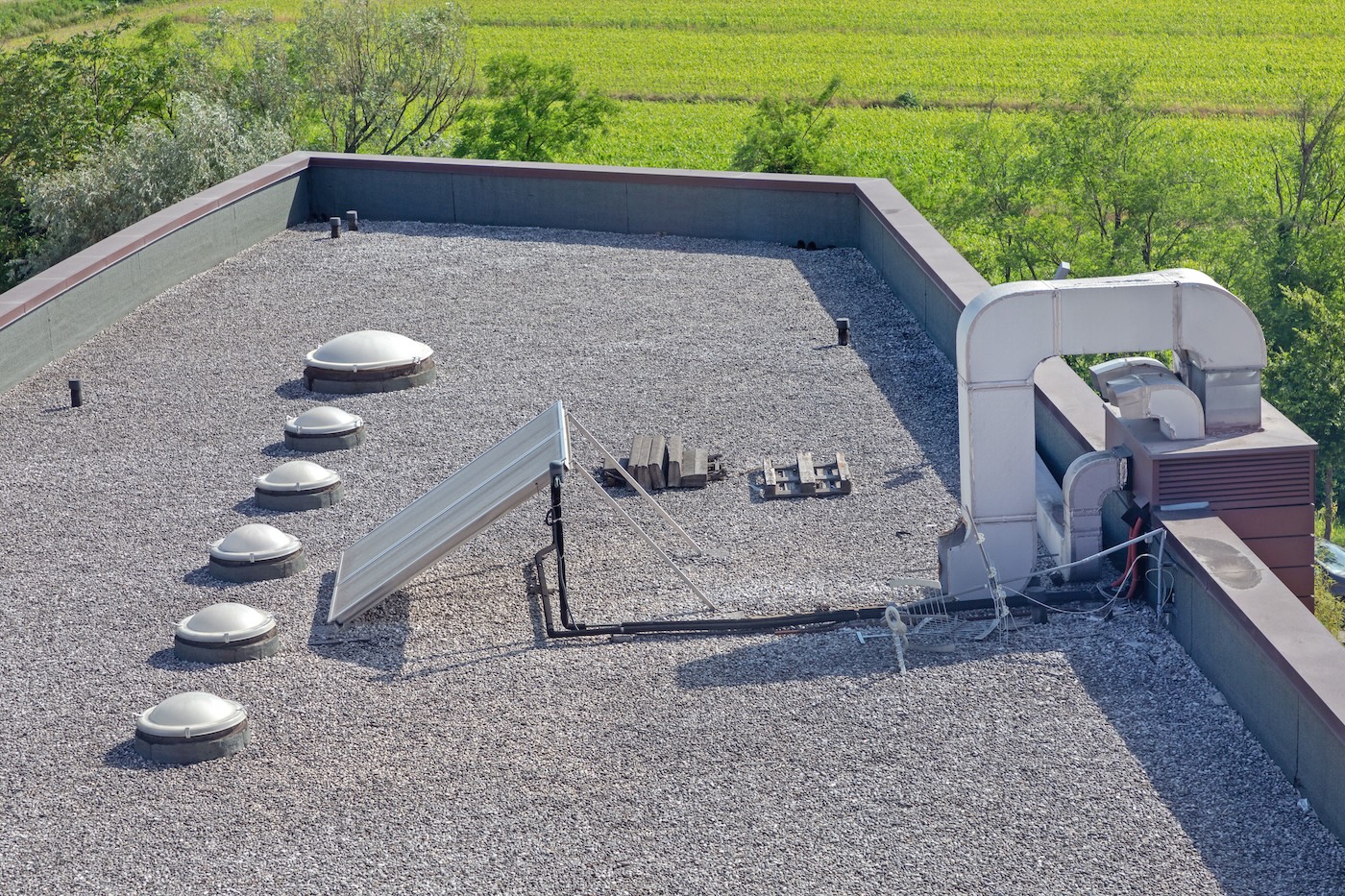
6 Commercial Roof Types & Their Benefits
When considering commercial roof types, choosing the right one can have a lasting impact on your building’s performance, energy efficiency, and long-term maintenance costs. Each roofing system comes with its own advantages, materials, and installation requirements — and selecting the right option depends on your structure, climate, and budget. This guide breaks down six of the most common types and the benefits that make each one stand out.
- Variety of options: From TPO and EPDM to metal and modified bitumen, each system serves a specific need.
- Energy savings: Some commercial roof types help lower cooling costs by reflecting sunlight.
- Durability: Modern materials resist weather damage, leaks, and wear.
- Maintenance flexibility: Some systems are easy to repair without full replacement.
- Long-term value: A quality roof investment protects your building for decades.
Understanding Commercial Roofing Systems
Commercial roofs are more complex than residential ones, often designed for flat or low-slope structures that cover large areas. Because of their size and exposure, they must withstand temperature swings, heavy rain, and constant UV rays. The right roofing type ensures proper drainage, insulation, and protection against leaks — all while keeping maintenance costs manageable.

In Indiana, fluctuating weather patterns make material selection especially important. Summers bring high heat and humidity, while winters can be icy and unpredictable. A durable and reflective roofing system can make a significant difference in comfort and operating costs.
6 Common Commercial Roof Types
Below are six popular commercial roof types business owners rely on, each with unique performance benefits and use cases.
- TPO Roofing (Thermoplastic Polyolefin): Known for its white reflective surface, TPO helps lower energy costs by deflecting sunlight and reducing heat buildup. It’s lightweight, flexible, and resistant to mold and punctures.
- EPDM Roofing (Ethylene Propylene Diene Monomer): Often called “rubber roofing,” EPDM is extremely durable and handles temperature changes well. Its dark color helps absorb heat in colder climates.
- PVC Roofing (Polyvinyl Chloride): With strong seams and excellent chemical resistance, PVC is ideal for restaurants or factories that emit oils and chemicals through their ventilation systems.
- Modified Bitumen Roofing: Made from asphalt and reinforced layers, this roof type provides durability and weather resistance. It’s great for buildings that need a balance between performance and affordability.
- Metal Roofing: Metal panels are long-lasting, highly weather-resistant, and require minimal upkeep. They’re also fireproof and recyclable, making them an eco-conscious choice.
- Built-Up Roofing (BUR): A traditional option that uses multiple layers of tar and gravel for extra protection. It’s cost-effective and offers solid waterproofing for flat roofs.
Each of these systems offers specific advantages depending on your roof’s slope, drainage needs, and insulation goals.
Key Benefits of Modern Commercial Roof Types
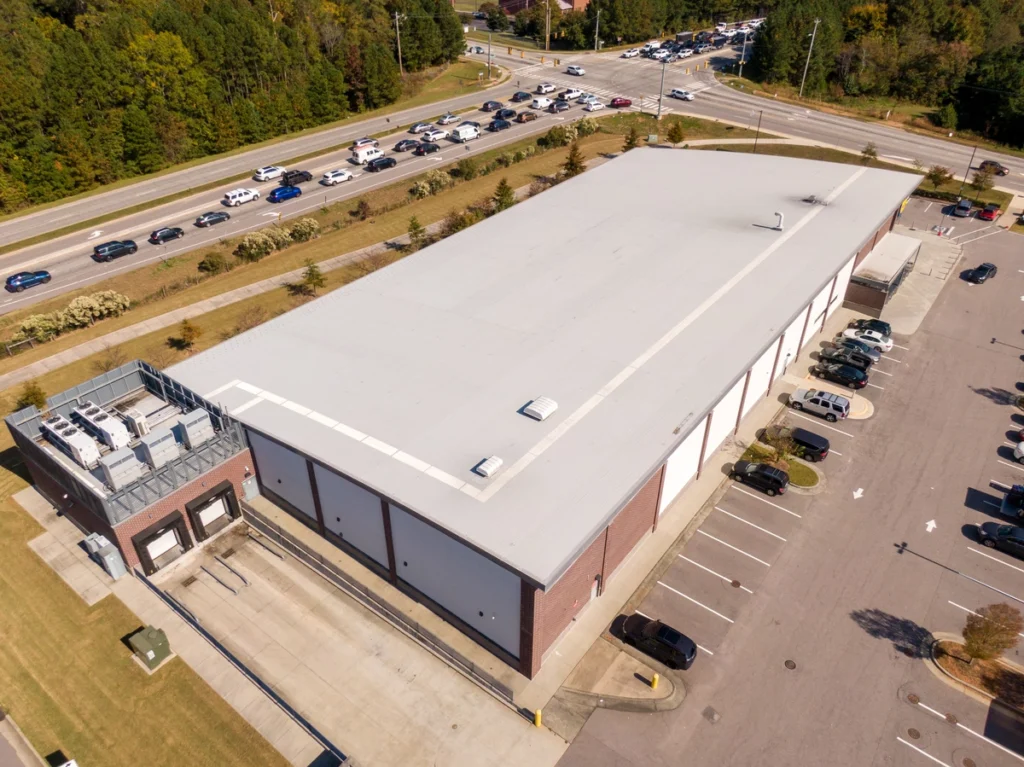
Today’s commercial roofing materials are designed not only to protect but also to improve efficiency and sustainability. Choosing the right system can save thousands in repairs and energy costs over time.
Energy Efficiency and Temperature Control
Many commercial roofs now feature reflective or cool-roof coatings that minimize heat absorption. For instance, TPO and PVC roofs can reflect up to 80% of sunlight, reducing the need for constant air conditioning. This makes them a smart investment for large buildings where cooling costs can skyrocket during the summer.
Weather Resistance and Longevity
A professionally installed commercial roof can withstand strong winds, hail, and snow. Metal and EPDM roofs, in particular, have lifespans that can exceed 40 years with regular maintenance. Their durable surfaces resist cracking, tearing, and UV degradation — key factors in extending your roof’s lifespan.
Cost-Effectiveness Over Time
While some materials like PVC or metal have higher upfront costs, they pay for themselves through lower maintenance needs and longer service lives. Repairs are simpler, and their resilience minimizes unexpected expenses. Over time, this reliability translates to fewer disruptions for your business.
Factors to Consider When Choosing Commercial Roof Types
Selecting the best roof for your property isn’t just about materials. Several practical considerations come into play.
- Building design: Low-slope and flat roofs often perform best with membranes like TPO or EPDM.
- Climate: Indiana’s temperature swings mean flexibility and UV protection are critical.
- Budget: Factor in not just installation cost but long-term upkeep.
- Usage: Facilities with heavy ventilation or chemical exposure need stronger resistance, like PVC.
- Lifespan goals: Consider how long you plan to occupy the property — longevity matters.
Working with an experienced commercial roofing contractor ensures these factors are balanced correctly. They can assess your building’s needs and recommend a system that fits both structurally and financially.
How Different Roof Types Perform in Indiana
Northern Indiana’s changing seasons make it vital to choose a roof that adapts to both heat and cold. Metal roofs are ideal for areas with frequent snow, as their slick surfaces allow snow to slide off easily.
Businesses across Mishawaka and surrounding cities benefit from pairing quality roofing with expert installation. A proper system not only safeguards your property but also supports long-term energy efficiency.
We’re proud to serve home and business owners in Mishawaka, IN, and nearby cities with commercial roofing services and more.
Maintenance Tips to Extend Your Roof’s Life

Even the best commercial roofs need consistent upkeep to perform their best. Neglecting maintenance can shorten a roof’s lifespan by years.
Regular Inspections
Schedule inspections at least twice a year — ideally in spring and fall — and after major storms. Look for pooling water, punctures, or membrane separation that could lead to leaks.
Prompt Repairs
Address small issues before they escalate. A tiny tear or seam gap might not seem urgent, but it can lead to significant water damage if ignored.
Keep the Surface Clean
Leaves, branches, and debris can trap moisture and cause rot. Keeping your roof clean prevents blockages in drains and gutters.
Professional Maintenance Plans
Many roofing companies, including One Way Roofing, offer maintenance programs to help business owners protect their investment. These services often include inspections, cleaning, and preventive repairs tailored to your roof type.
Why Businesses Trust One Way Roofing
At One Way Roofing, we understand that your commercial roof is more than a structure — it’s a vital part of protecting your investment. Our experienced team specializes in high-performance roofing systems, including TPO, EPDM, metal, and more. With a focus on honesty, discipline, and transparency, we provide clear communication from inspection to installation.
Whether you need a new installation, repair, or maintenance plan, One Way Roofing is ready to help. Contact One Way Roofing today to schedule your free inspection and discover why so many Indiana businesses trust us for reliable, professional roofing solutions.
