

Cheapest Roofing Material For Homes (5 Smart Picks)
When homeowners start researching the cheapest roofing material, they are usually looking for a solution that keeps upfront costs low without sacrificing too much durability. While cost matters, the cheapest option upfront is not always the best long-term investment. The real goal is finding a material that balances affordability, durability, and performance over time.
In this guide, we will break down the most budget-friendly roofing materials and help you choose the right option for your home.
- The most affordable roofing materials available
- Pros and cons of each option
- What impacts total roofing cost
- How to choose the best value for your budget

What Is The Cheapest Roofing Material?
When it comes to upfront cost, asphalt shingles are widely considered the cheapest roofing material for most residential homes. They are easy to install, widely available, and require less labor compared to more complex systems.
However, focusing only on the lowest price per square foot can be misleading. The true cost of a roof includes installation, maintenance, repairs, and how long the material lasts. A cheaper material that fails early or requires frequent repairs may end up costing more than a slightly higher-priced option that lasts decades.
For most homeowners, the “cheapest” roofing material should really mean the best balance between price and long-term value. A reputable roofing company can help you compare options based on both upfront and lifetime costs.
5 Cheapest Roofing Materials To Consider
Not all roofing materials are created equal when it comes to cost. Some are cheaper upfront, while others provide better long-term savings. Here are the most common budget-friendly options.
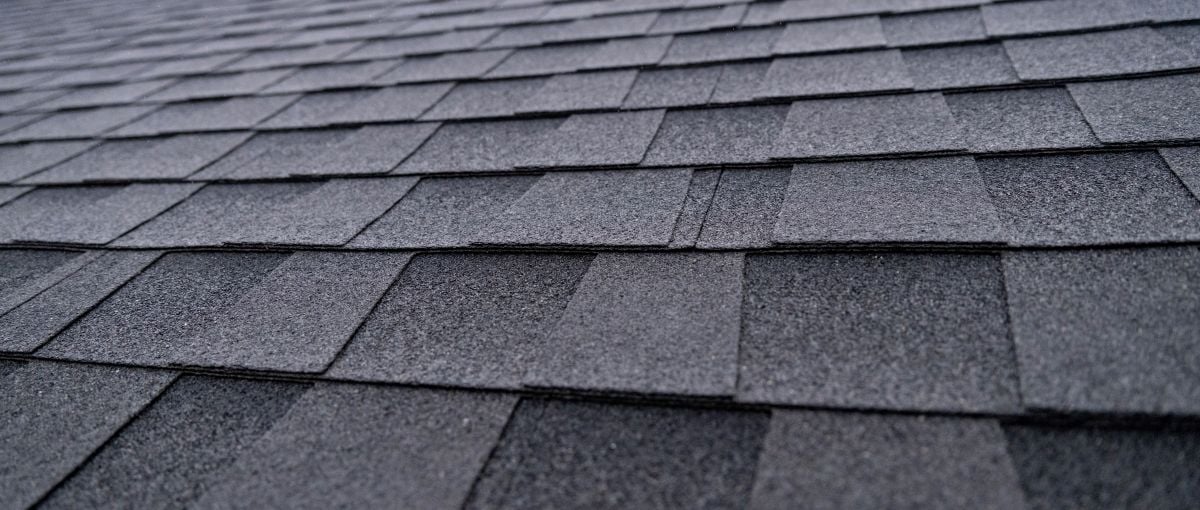
1. Asphalt Shingles
Asphalt shingles remain the most popular roofing material in the United States, largely because they offer a strong mix of affordability and performance. Many homeowners also choose architectural shingles, which are slightly more expensive but provide better durability and a more dimensional appearance.
- Low upfront cost
- Easy installation and replacement
- Available in many styles and colors
They typically last between 15 and 30 years, depending on quality and climate. While they may not last as long as metal roofs or a slate roof, their low cost and ease of repair make them a top choice for homeowners on a budget.

2. Rolled Roofing
Rolled roofing is one of the absolute cheapest options available and is commonly used for low-slope roofs, sheds, and garages.
- Very low material cost
- Quick and simple installation
- Minimal labor required
The trade-off is durability. Rolled roofing usually lasts only 5 to 10 years and is more prone to damage. It is best suited for secondary structures or temporary solutions rather than full residential roofs.
3. Corrugated Metal Panels
Metal roofs are often associated with higher costs, but corrugated panels can be surprisingly affordable compared to premium roofing systems. Some homeowners also explore metal shingles for a more traditional look while still benefiting from metal’s durability.
- Long lifespan (40+ years)
- Resistant to weather and fire
- Low maintenance requirements
Although the upfront cost is higher than asphalt, the long lifespan and durability can make metal roofing one of the best value options over time. It is especially beneficial in areas with harsh weather conditions.
4. Wood Shingles or Shakes
Wood roofing provides a natural, classic look and can fall into a mid-range price category depending on the material used.
- Unique, attractive appearance
- Moderate upfront cost
- Good insulation properties
However, wood requires regular maintenance and may not perform well in areas with high moisture or fire risk. While not the cheapest option long-term, it can still be affordable upfront compared to premium materials like a slate roof.

5. Budget-Friendly Composite Shingles
Composite or synthetic shingles can mimic the look of higher-end materials like slate or wood at a lower cost. In some cases, they are also compared to alternatives like concrete tiles, offering a similar appearance without the added weight.
- More durable than basic asphalt
- Lower cost than premium materials
- Better resistance to weather
These are a good middle-ground option for homeowners who want improved durability without the high price tag of luxury roofing materials.
What Affects Roofing Costs The Most?
The material itself is only one part of the total price. Several other factors can significantly impact the final cost of your roofing project.
Labor And Installation Complexity
Roofs with multiple slopes, steep angles, or complex designs require more time and expertise to install. This increases labor costs regardless of the material you choose.
Roof Size And Accessibility
Larger roofs require more materials and labor. If your home is difficult to access or has multiple levels, installation can also take longer and cost more.
Tear-Off And Disposal Costs
Removing an old roof adds to the overall expense. Some materials are heavier, such as concrete tiles, and may increase disposal and labor costs.
Local Climate And Building Codes
Your location plays a major role in cost. Certain materials may be required to meet building codes, and weather conditions can influence which options are practical and long-lasting.
Cheapest vs Best Value: What Should You Choose?
It is important to separate “cheap” from “cost-effective.” The cheapest roofing material upfront may not provide the best return on investment.
For example:
- Asphalt shingles are the cheapest upfront
- Metal roofs offer better long-term durability
- Composite materials provide a balanced option
- Premium materials like a slate roof or concrete tiles last longer but cost more
The right choice depends on how long you plan to stay in your home, your budget, and your long-term goals. If you plan to move in a few years, a lower-cost option may make sense. If you plan to stay long-term, investing in durability can save money over time.

Ways To Save Money Without Cutting Corners
If your goal is to reduce costs while still getting a reliable roof, there are several smart strategies to consider.
- Compare multiple estimates: Get detailed quotes from a trusted roofing company
- Time your project wisely: Off-season installations can sometimes reduce costs
- Focus on necessary work: Avoid unnecessary upgrades if you are on a tight budget
- Consider financing options: Spread costs over time instead of delaying needed repairs
Working with an experienced roofing company ensures you avoid hidden costs and get the most value out of your investment.
Get Affordable Roofing With One Way Roofing
Choosing the cheapest roofing material does not mean sacrificing quality. At One Way Roofing, we help homeowners find solutions that fit their budget while still delivering dependable, long-lasting performance.
Our team takes the time to explain your options, from cost-effective asphalt shingles to longer-lasting alternatives like metal roofs or upgraded architectural shingles, so you can make an informed decision. Whether you need a repair or a full replacement, we focus on delivering results that protect your home and your investment.
If you are ready to explore affordable roofing options, contact One Way Roofing today to schedule your inspection and get started.
