

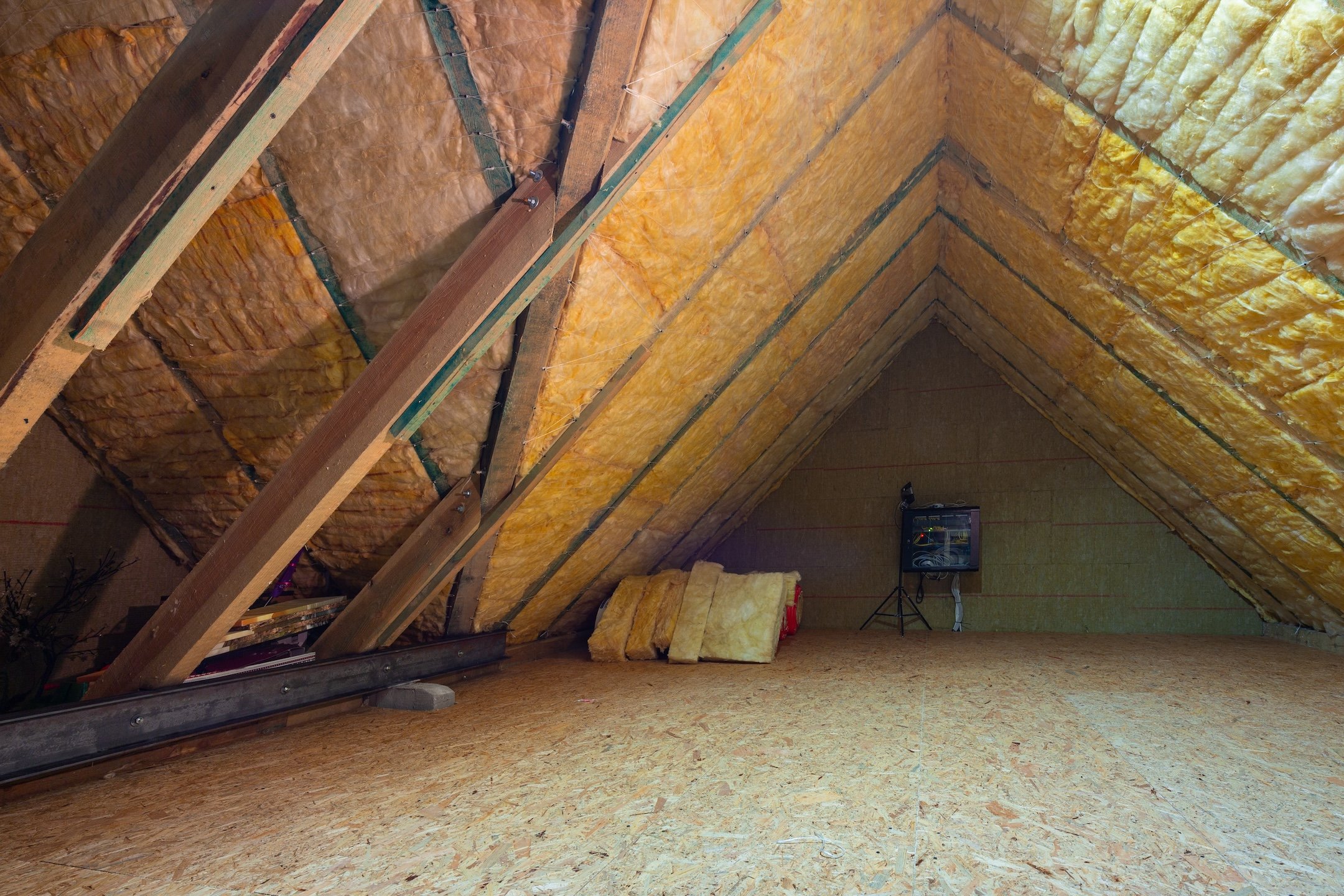
5 Best Types of Attic Insulation & Their Benefits
When researching attic insulation, it’s easy to feel overwhelmed by all the options available. The right insulation makes a huge difference in your home’s comfort, energy efficiency, and even roof health. Whether you’re upgrading an older home or building new, understanding the types of attic insulation and their benefits helps you make a smart investment that saves money year-round.
- Comfort: Proper insulation keeps your home warmer in winter and cooler in summer.
- Efficiency: Energy-efficient insulation reduces heating and cooling costs.
- Moisture control: Insulation helps prevent condensation and mold growth.
- Roof longevity: By keeping your attic temperature stable, insulation protects your roofing materials.
- Noise reduction: Insulated attics help block outside noise and create a quieter home.
Why Attic Insulation Matters
Many homeowners underestimate how much energy is lost through their attic space. Without adequate insulation, warm air escapes in the winter, and heat seeps in during summer. This forces your HVAC system to work harder, driving up your utility bills. Proper attic insulation and air sealing create a thermal barrier that maintains consistent indoor temperatures while protecting the structural components of your roof.
In Northern Indiana homes, where freezing winters meet humid summers, insulation isn’t just a comfort feature — it’s a necessity. Insufficient thermal insulation can cause ice dams on the roof, uneven temperatures between rooms, and rising energy bills. The good news? Adding attic insulation can fix all of that, often with a quick professional installation process and long-term savings.
5 Best Types of Attic Insulation

Let’s explore five of the most effective insulation options available for homeowners today, along with their benefits.
- Fiberglass Batt Insulation: One of the most common and affordable choices, fiberglass batts come in pre-cut rolls that fit easily between attic joists. They’re lightweight, moisture-resistant, and effective at preventing heat loss. This material is ideal for homeowners looking for a simple, low-cost way to start installing insulation in an unfinished attic space.
- Blown-In Cellulose (Loose Fill Insulation): Made from recycled paper treated for fire resistance, cellulose is blown into the attic to fill every gap and crevice. It’s great for existing homes where full access to joists isn’t possible. Loose fill insulation offers excellent coverage, helping to minimize air leaks and improve overall thermal performance.
- Spray Foam Insulation: This high-performance option expands on contact, sealing air leaks and creating an airtight barrier. Spray foam is ideal for attics that need superior moisture control or additional structural reinforcement. It’s one of the best methods for air sealing older homes that struggle with energy loss and is considered one of the most energy-efficient insulation choices available.
- Mineral Wool (Rock Wool): Naturally fire-resistant and durable, mineral wool provides excellent soundproofing and thermal insulation. It’s also eco-friendly and non-combustible, making it a safe choice for homes with high heat or fire risk.
- Radiant Barrier Insulation: This reflective material reduces heat transfer by bouncing radiant energy away from your home. It’s especially useful for homes with metal roofs or high sun exposure, as it helps maintain cooler attic temperatures during the summer.
Each type offers distinct advantages depending on your attic’s layout, budget, and performance goals. A professional insulation contractor can help determine which solution will deliver the best results for your specific home.
Key Benefits of Upgrading Attic Insulation

Insulating your attic is one of the most cost-effective home improvements you can make. Beyond comfort, the benefits extend to nearly every aspect of your home’s efficiency and protection.
Lower Energy Costs
Quality insulation keeps conditioned air where it belongs — inside your living spaces. Homeowners in states like Indiana can cut heating and cooling costs by up to 20% with proper attic insulation and air sealing. Over time, that adds up to substantial savings, especially when combined with energy-efficient roofing and ventilation.
Consistent Indoor Temperatures
If some rooms in your house feel warmer or cooler than others, poor insulation is often the culprit. Upgrading your attic helps eliminate drafts and cold spots, creating balanced temperatures throughout your home.
Enhanced Roof Protection
Without insulation, heat escaping from your home can melt snow on your roof, leading to ice dams that cause leaks and structural damage. A well-insulated attic prevents this by keeping your roof deck at a steady temperature all winter long. Proper thermal insulation also helps reduce stress on your shingles and underlayment.
Healthier Air Quality
Insulation helps seal gaps where dust, allergens, and pollutants might enter. Spray foam and cellulose options are especially effective at improving indoor air quality by limiting airflow between your attic and living areas.
Increased Property Value
Energy-efficient homes attract buyers. A professionally insulated attic adds to your home’s resale appeal, especially when paired with an energy-efficient roof system or ventilation upgrade.
How to Choose the Right Insulation for Your Home
Selecting the right insulation depends on several factors — from your attic’s size to your climate and energy goals.
- Home age: Older homes may need a full insulation replacement due to settling or moisture damage.
- Attic accessibility: Blown-in or loose fill insulation is ideal for tight or hard-to-reach areas.
- Moisture concerns: Spray foam or mineral wool can help prevent condensation buildup.
- Budget: Fiberglass and cellulose are more affordable upfront, while spray foam provides long-term savings.
- Local climate: In cold states like Indiana, thicker insulation layers (higher R-values) perform best.
A certified insulation contractor can evaluate your attic’s current condition, measure existing insulation depth, and recommend upgrades that align with your comfort and cost goals.
Signs Your Attic Needs Better Insulation
If you’re unsure whether your attic needs an upgrade, watch for these common warning signs.
- Uneven Temperatures: Rooms that feel drafty or unusually hot upstairs often point to inadequate insulation.
- High Energy Bills: Rising utility costs without changes in usage suggest that your home is losing heat through the attic.
- Ice Dams or Roof Leaks: Snow melting unevenly across your roof indicates escaping heat, which can lead to ice dam formation.
- Moisture or Mold: Condensation buildup on rafters or insulation material can cause mold growth and wood damage.
- Pest Problems: Small animals like mice or squirrels sometimes nest in old, loose fill insulation. Replacing it helps eliminate hiding spots and restores protection.
How Attic Insulation Performs in Indiana Homes

Homes in cities like Elkhart and Mishawaka deal with wide seasonal temperature swings, making insulation especially important. During cold months, insulation traps warm air inside while protecting your roof from freeze-thaw damage. In summer, it prevents heat from radiating down into your living spaces, reducing strain on your air conditioner. We’re proud to serve home and business owners in Elkhart, IN, and nearby cities with attic insulation upgrades and other projects.
Why Homeowners Trust One Way Roofing
At One Way Roofing, we understand that your home’s comfort and protection start from the top down. That’s why we take roofing seriously, combining expert craftsmanship with high-quality materials to keep your home secure, efficient, and looking its best.
Ready to make your home safer and more comfortable? Contact One Way Roofing today to schedule your free roof inspection and discover the best solution for your home.
