


PVC Membrane Roof Materials (4 Options Compared)
Flat and low slope roofs take a beating from sun, standing water, rooftop equipment, and winter freeze cycles, so the membrane you choose shapes how long your building stays dry. A PVC membrane roof is known for heat welded seams, strong chemical resistance, and a long service life, which makes it a smart fit for many business properties. Before you commit to a product, it helps to partner with a team delivering dependable roofing solutions built for the demands of commercial properties so the system matches your building and budget.
Here is what you will learn in this guide:
- What makes PVC membranes different from other flat roofing materials
- The four main PVC membrane options available for commercial buildings
- How attachment methods affect performance and cost
- Maintenance habits that extend the life of a PVC roof
- How to compare PVC against other common commercial membranes
Why PVC Membranes Deserve A Close Look For Commercial Buildings
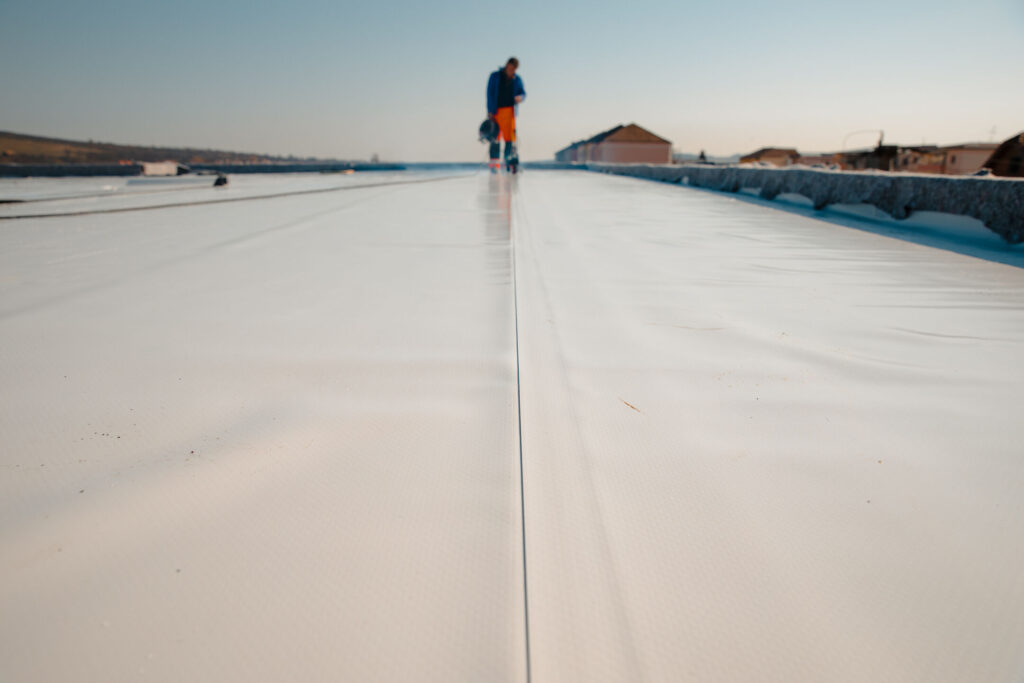
PVC has been used on commercial roofs for decades, and its performance record is a big reason property owners keep returning to it. The material is built from layers of polyvinyl chloride with reinforcing fabric, and the seams are fused with hot air rather than glued, creating a continuous, watertight surface across the entire roof.
- Welded seams: Hot air welding fuses overlapping sheets into one monolithic layer, which greatly reduces the risk of seam leaks.
- Chemical resistance: PVC stands up well to grease, oils, and rooftop exhaust, which is valuable for restaurants and industrial buildings.
- Fire resistance: The material is naturally flame retardant, adding a layer of protection for the building and its contents.
- Reflective surface: Light colored membranes bounce sunlight away from the roof, which can help lower cooling demand in summer.
- Long service life: A properly installed and maintained PVC roof commonly lasts twenty years or more.
4 PVC Membrane Options Compared For Commercial Roofs
Not every PVC membrane is built the same way. Thickness, reinforcement, and backing all change how the roof performs, so understanding each option helps property owners and facility managers match the product to the building.
1. Reinforced PVC Membrane
Reinforced PVC is the standard choice for most commercial projects. A layer of polyester or fiberglass scrim is sandwiched between layers of PVC, giving the sheet added tensile strength and resistance to tearing, punctures, and movement caused by temperature swings.
- Available in common thicknesses such as 45, 60, and 80 mil
- Thicker sheets offer more puncture resistance and longer expected life
- Works well for mechanically attached and fully adhered systems
Because it balances strength with cost, reinforced PVC is often the first product considered for retail centers, offices, schools, and light industrial buildings. Thicker membranes also tend to carry longer manufacturer warranties, so many building owners step up in thickness on roofs that see regular foot traffic from maintenance crews or rooftop equipment service.
2. Fleece Backed PVC Membrane
Fleece backed PVC has a layer of fleece bonded to the underside of the membrane. This backing improves adhesion when the sheet is glued to the roof deck or insulation, and it can help the roof tolerate uneven surfaces or small imperfections in the substrate below.
- Often used when recovering over an existing roof system
- Helps protect against minor surface irregularities
- Commonly installed with a fully adhered method
Fleece backing adds some upfront cost, but it can reduce the need for extensive tear off work, which saves time and limits disruption to tenants and daily operations.
3. Non Reinforced PVC Membrane
Non reinforced PVC is a softer, more flexible sheet without the internal scrim layer. It is not typically used across the field of a roof. Instead, it is the go to material for detail work such as pipe boots, corners, curbs, and penetrations where the membrane must bend and conform to tight shapes.
- Easy to shape around vents, drains, and rooftop units
- Heat weldable to the main reinforced field membrane
- Essential for sealing the most leak prone areas of a flat roof
Property owners in Mishawaka and surrounding areas with busy rooftops full of mechanical equipment often find that careful detail work with this material makes a major difference in long term leak prevention.
4. Chemical Resistant PVC Membrane
Some PVC membranes are formulated with additives that give them added resistance to animal fats, grease, and other substances that can break down ordinary roofing. These specialty membranes are a strong choice for restaurants, food processing facilities, and industrial sites where rooftop exhaust is a constant factor.
- Designed to resist grease and oil exposure from kitchen exhaust
- Suitable for manufacturing and processing facilities
- Helps maintain membrane flexibility over time in demanding conditions
Choosing a specialty product for the right building prevents premature membrane breakdown and costly repairs later on. It is worth asking your contractor whether grease exposure, chemical vents, or heavy exhaust are present on your roof before the membrane is selected, since the right formulation is much easier to specify upfront than to correct after damage appears.
How Installation Method Shapes Performance And Cost
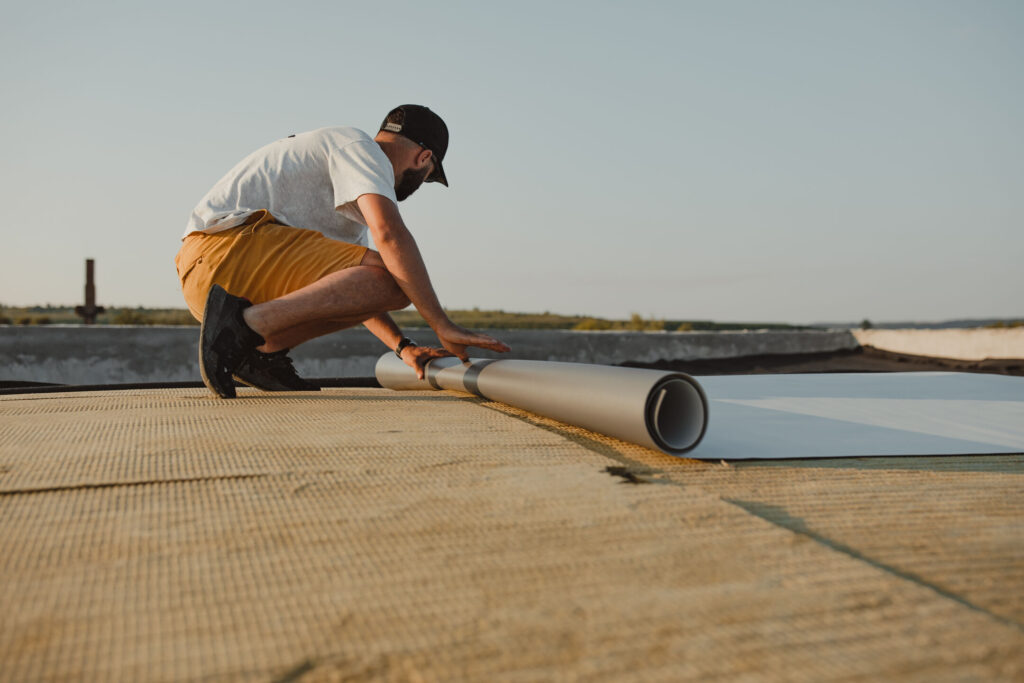
The membrane is only part of the story. How it is attached to the building affects wind resistance, installation speed, and total project cost. A few key points can help property managers ask better questions during the planning stage.
Mechanically Attached Systems
In a mechanically attached system, fasteners and plates secure the membrane along the seams, then the overlapping sheet covers them before welding. This approach is fast and cost effective, and it works well on many commercial buildings with standard decks.
Fully Adhered Systems
A fully adhered system bonds the membrane across its entire surface to the insulation or deck. It offers a smooth, clean appearance and strong wind uplift resistance, making it a popular option for buildings in exposed locations.
Ballasted Systems
Ballasted systems hold the membrane in place with stone or pavers instead of fasteners or adhesive. This method can be economical, but the building structure must be able to carry the added weight, so an engineering review is important before choosing it.
Insulation And Cover Boards
The layers beneath the membrane matter too. High quality insulation improves energy performance, while a cover board adds protection against punctures and helps the membrane perform well over the long term.
Seasonal Timing
Cold weather can affect adhesives and welding quality, so scheduling work during mild conditions helps produce clean seams. Dry, moderate days allow crews to weld seams consistently and test them as the work progresses. Business owners in Mishawaka and surrounding areas should plan projects early in the season to avoid delays from winter weather.
Comparing PVC Against Other Commercial Roofing Membranes
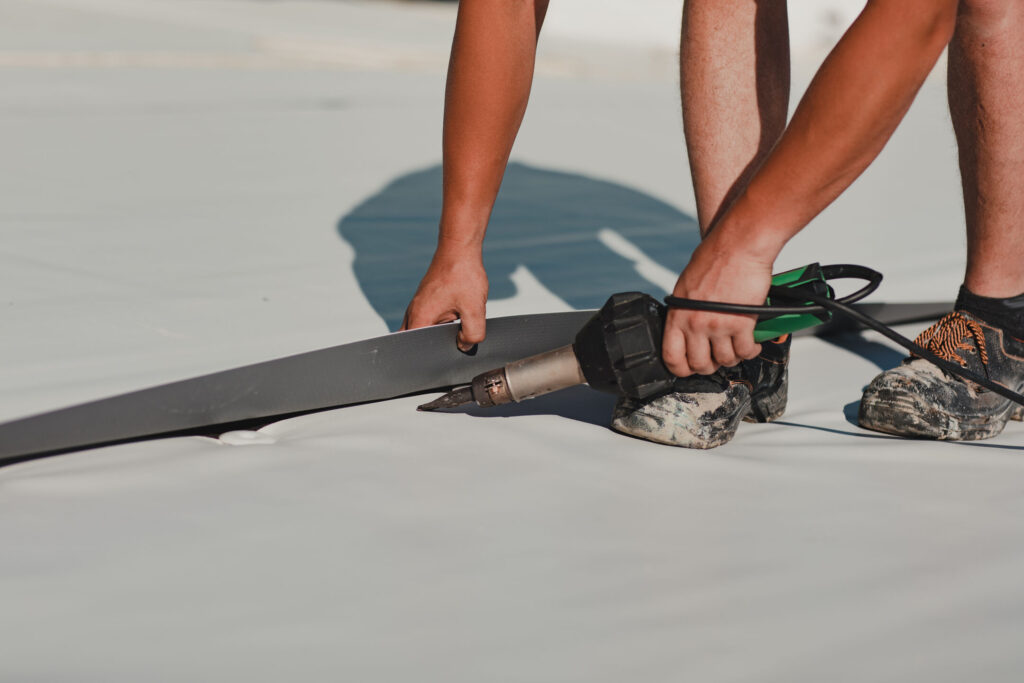
Property owners often weigh PVC against other flat roofing options before making a final decision. Looking at the main differences side by side makes the comparison easier.
| Membrane Type | Seam Method | Typical Lifespan | Best Suited For |
| PVC | Heat welded | 20 to 30 years | Restaurants, retail, industrial, and high exposure roofs |
| TPO | Heat welded | 15 to 25 years | Cost conscious projects needing a reflective surface |
| EPDM | Adhesive or tape | 20 to 30 years | Large, simple roofs with few penetrations |
| Modified bitumen | Torch, adhesive, or heat | 15 to 25 years | Multi layer systems needing added durability |
Choosing Based On Building Use
A warehouse with few rooftop penetrations may be well served by a simpler membrane, while a restaurant with heavy exhaust or a facility with lots of equipment may benefit from the chemical resistance and welded detail work that PVC provides.
Balancing Upfront Cost And Lifecycle Value
PVC typically costs more than some alternatives at the start, but its durability and low repair frequency can lower the total cost of ownership over the years. Looking beyond the first invoice helps property owners make a smarter investment.
Maintenance Habits That Pay Off
Regular inspections twice a year, prompt debris removal, and quick attention to small punctures help any membrane last longer. Keeping drains clear prevents ponding water, and limiting foot traffic around equipment reduces wear on the roof surface.
Working With An Experienced Commercial Installer
Seam quality and detail work depend heavily on the crew doing the job. Business owners across Mishawaka and surrounding areas benefit from hiring a contractor with proven membrane experience, since proper welding, flashing, and drainage design are essential to long term performance.
Protect Your Building With The Right Flat Roof System
Choosing the right membrane is one of the most important decisions a property owner will make, and PVC offers a rare mix of watertight seams, chemical resistance, and long service life. Whether you manage a restaurant, a retail center, a school, or a light industrial facility, matching the membrane type and installation method to your building protects your assets and your daily operations. Property owners throughout Mishawaka and surrounding areas continue to rely on experienced professionals for guidance on this important investment.
If you are planning a new roof, a recover project, or a repair on an aging flat roof, the team at One Way Construction and Roofing is ready to help you evaluate your options. Reach out and contact us today to schedule an inspection and start building a roofing plan that fits your property and your budget.
