

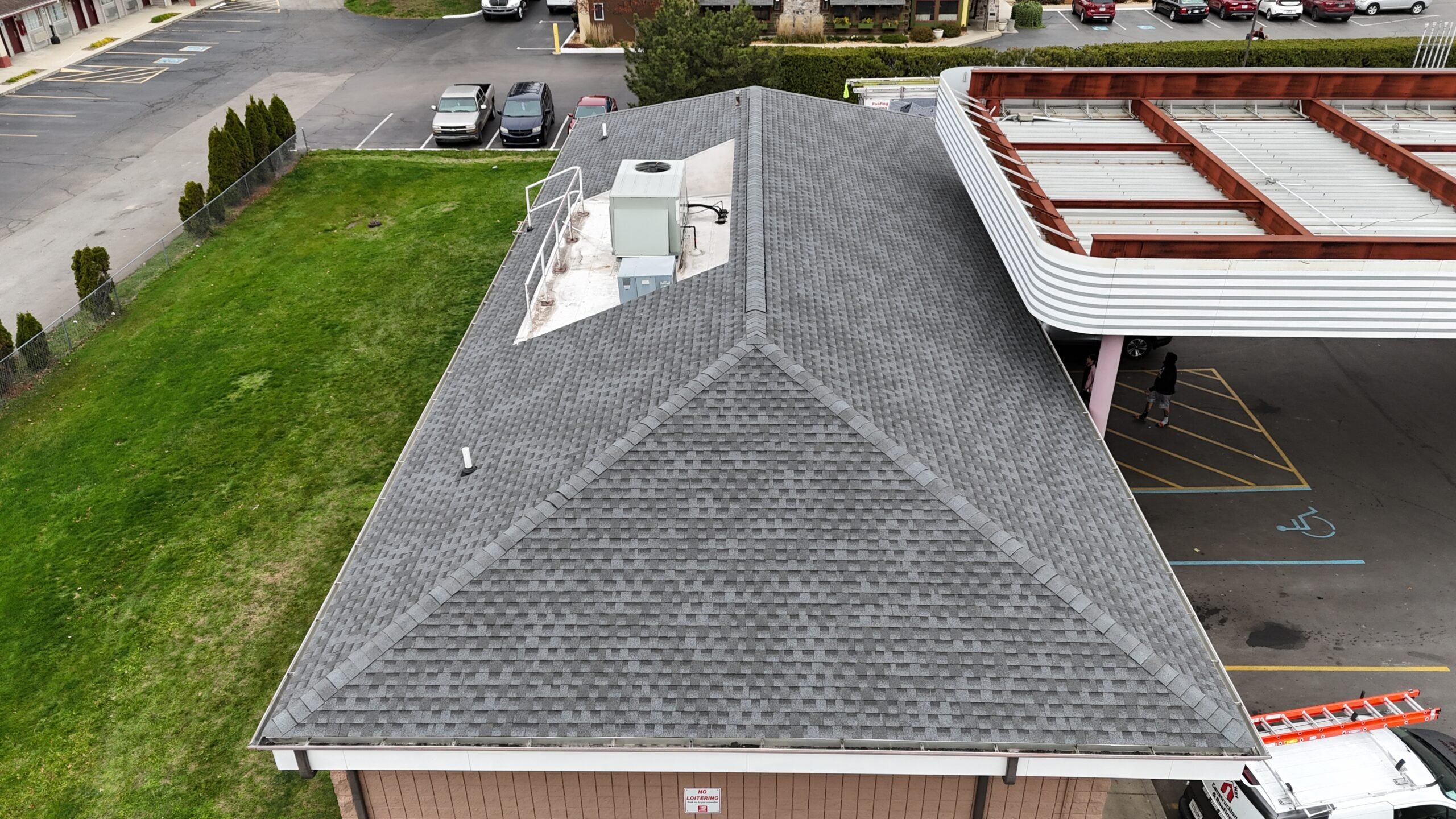
6 Types of Roof Vents and How They Work
Understanding the types of roof vents on your home helps you manage heat, moisture, and energy efficiency. Proper ventilation prevents damage to your roofing system and attic, extends shingle life, and can reduce cooling costs in warm months. When considering upgrades or repairs in Fort Wayne, IN, roof ventilation is a key element of a healthy roof system.
Here’s a quick preview of what we’ll cover:
- Why roof ventilation matters for homeowners
- Common styles of roof vents and how they operate
- How to choose the right venting concept for your roof design
- How proper ventilation works with insulation and roofing materials
We’re proud to serve home and business owners in Fort Wayne, IN, and nearby communities with roof inspections, ventilation upgrades, and more.
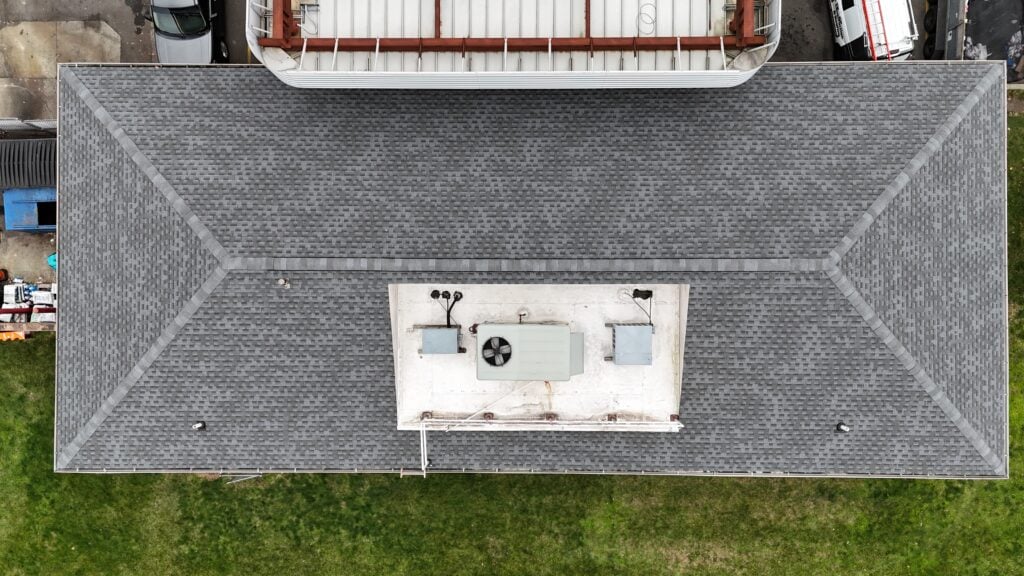
Why Proper Roof Ventilation Matters
Your attic space plays a major role in the overall health of your home. Without adequate ventilation, heat and moisture can build up under the roof deck, causing problems such as:
- Reduced shingle lifespan due to excessive heat
- Warped decking from trapped moisture
- Ice dams in winter from uneven attic temperatures
- Higher cooling bills because of heat buildup
Proper ventilation balances airflow, helping push hot air out and pull cool air in. In fact, balanced attic ventilation can reduce energy costs and extend roof life. Many roofing professionals recommend ventilation adjustments after a roof replacement or repair.
6 Types of Roof Vents and How They Work
Each type of roof vent has unique benefits, installation requirements, and ideal use cases. Choosing the right one depends on your roof style, attic size, and local climate. Below are six of the most common vent types used in residential roofing systems, including how they function and when they’re most effective.
1. Static Roof Vents
Static vents are fixed units that allow hot air to rise and escape. They rely on natural airflow and are usually installed near the roof’s ridge.
- Airflow style: Passive exhaust
- Best for: Basic ventilation on simple rooflines
- Maintenance level: Very low
- Visibility: Slightly raised on the roof
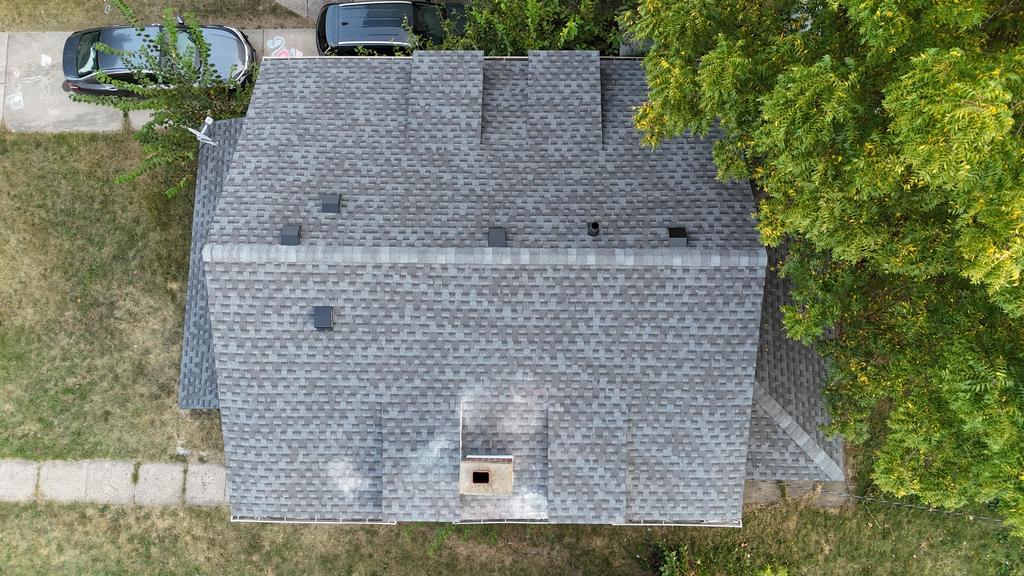
2. Ridge Vents
Ridge vents run continuously along the roof’s peak, providing consistent airflow. When paired with soffit vents, they offer excellent passive ventilation.
- Airflow style: Continuous passive exhaust
- Best for: Larger attics with good intake
- Aesthetics: Nearly invisible
- Maintenance: Minimal
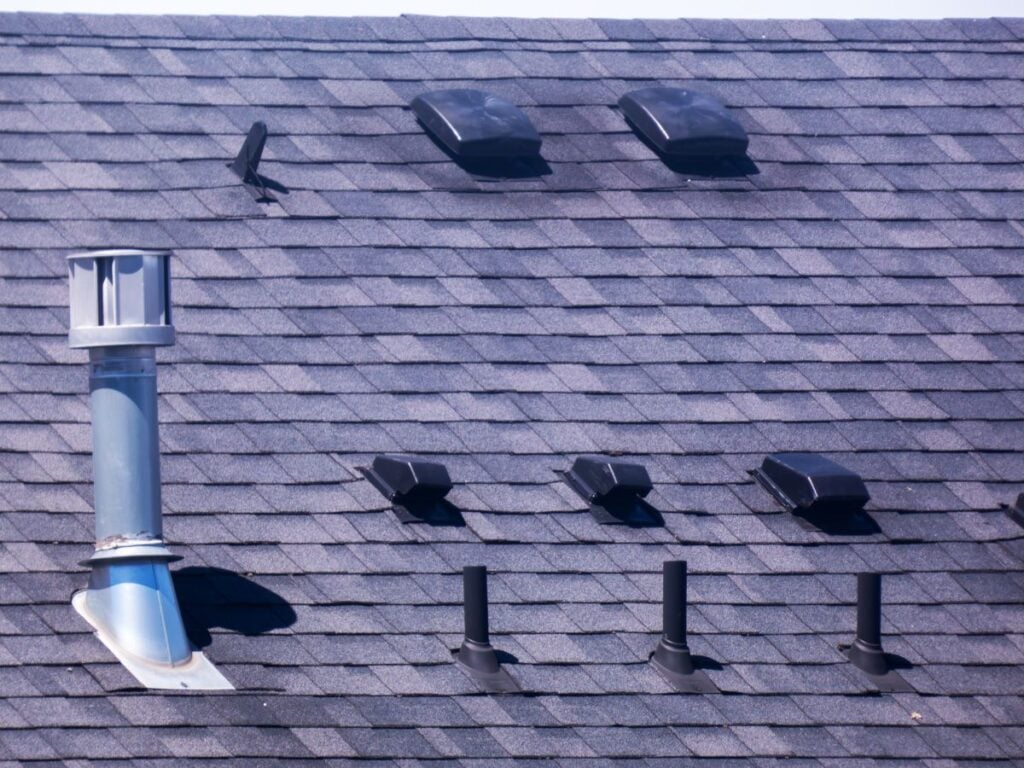
3. Box Vents
Box vents are square-shaped static vents spaced across the roof. They’re easy to install and ideal for smaller or less complex rooflines.
- Airflow style: Passive exhaust
- Best for: Roofs without a long ridge
- Quantity: Often installed in groups
- Profile: Visible from the street
4. Soffit Vents
Soffit vents are placed under roof overhangs and bring in fresh air. They’re essential intake components in any passive ventilation system.
- Airflow style: Intake
- Best for: Any roof using ridge or box vents
- Placement: Under eaves
- Style: Grilles or perforated panels
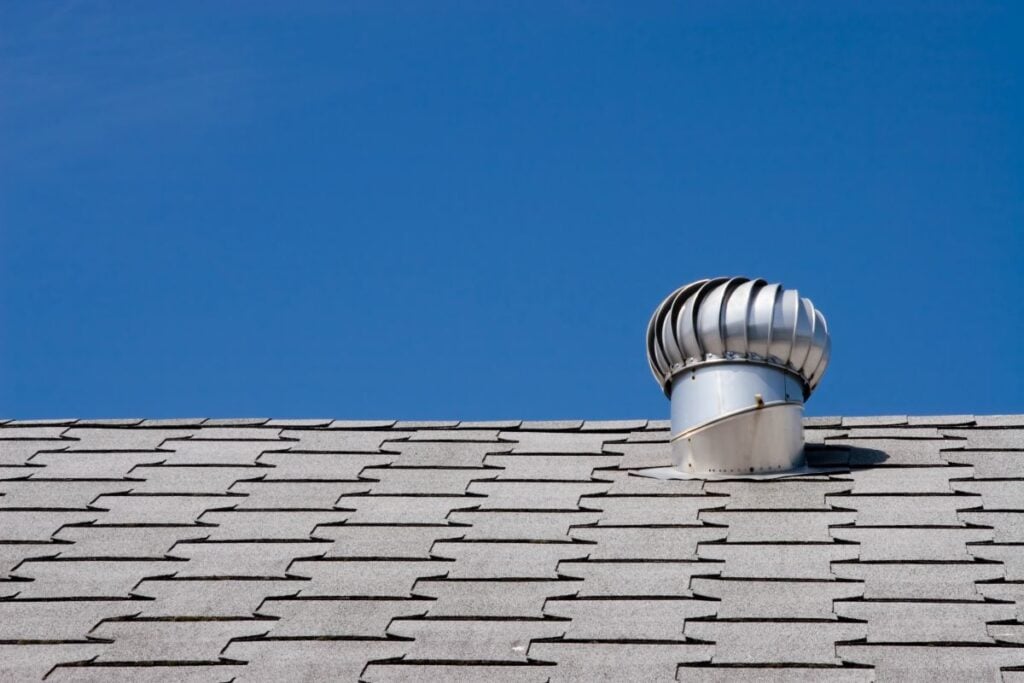
5. Turbine Vents
These vents spin in the wind to help exhaust hot attic air. They don’t use electricity and can move large volumes of air when conditions are right.
- Airflow style: Wind-powered exhaust
- Best for: Homes in breezy climates
- Energy use: None
- Maintenance: Occasional lubrication
6. Powered Attic Fans
Powered fans actively remove attic heat and moisture. They’re typically thermostat-activated and can be electric or solar powered.
- Airflow style: Forced exhaust
- Best for: Poorly ventilated attics
- Automation: Thermostat or humidity control
- Energy use: Electric or solar
Static Roof Vents vs. Ridge Vents: A Comparison
| Feature | Static Roof Vents | Ridge Vents |
| Airflow Type | Passive, localized | Passive, continuous |
| Best For | Smaller attics, low budgets | Most roof types, high airflow need |
| Aesthetics | Noticeable on roof | Nearly hidden |
| Maintenance | Minimal | Minimal |
| Natural Airflow Efficiency | Moderate | High |
Ridge vents offer the most even exhaust coverage when used with proper intake vents. Static vents are budget-friendly but less efficient overall.
How Soffit Vents Work With Exhaust Vents
Soffit and exhaust vents must work together to keep your attic dry, cool, and energy-efficient. This balanced airflow is essential for preventing heat buildup and moisture-related damage. Here’s how the system works and why each part matters:
- Intake airflow: Soffit vents bring in cool air at the lowest part of the roof.
- Exhaust airflow: Ridge or turbine vents release warm air at the top of the attic.
- Natural convection: Air moves from low to high, cycling fresh air through the attic.
- System balance: Without soffits, exhaust vents can’t draw out air effectively.
- Common issues: Poor airflow leads to hot spots, condensation, and roofing wear.
The Role of Attic Fans and Powered Ventilation
Powered attic fans offer an active approach to ventilation, using electricity or solar power to force air out of the attic. They are ideal for homes with inadequate passive airflow or in regions with extreme summer temperatures.
These fans are often controlled by thermostats or humidity sensors and should be professionally sized. When installed correctly, they improve energy efficiency. If overused or poorly installed, however, they can interfere with the natural ventilation cycle.
Choosing the Right Vent System for Your Roof
Choosing a roof vent system requires looking at your entire attic environment. Each home is different — and so are its airflow needs. Consider the following:
- Roof shape and pitch: Certain vents work better on steep slopes.
- Attic size: Larger spaces need greater exhaust volume.
- Insulation levels: Ventilation balances insulation to prevent heat buildup.
- Climate: Fort Wayne’s freeze-thaw cycles demand year-round airflow.
A roofing professional can evaluate these elements and recommend a solution that suits both your home and budget.
How Ventilation Works With Insulation
Ventilation and insulation complement each other. While insulation slows down heat flow between your attic and living space, ventilation manages the attic’s temperature and moisture levels. When one is lacking, the other is less effective.
For example, excess attic heat can degrade insulation performance, while poor insulation forces HVAC systems to compensate. The right balance improves energy efficiency, comfort, and roof longevity across all seasons.
Signs Your Roof Ventilation Needs Attention
It’s not always obvious when roof ventilation is underperforming. Watch for these red flags:
- Persistent attic heat or humidity
- Ice dams or water stains in colder months
- Mildew odors or mold on rafters
- Increased utility bills or early roof aging
These are all signs that your attic airflow may be blocked or unbalanced. A roof inspection can pinpoint the cause and identify needed improvements.
Why Homeowners Trust One Way Roofing With Roof Ventilation
At One Way Roofing, we help homeowners get the most out of their roofing systems — and that includes ventilation. Whether you need ridge vents, attic fans, or a full airflow overhaul, our team brings trusted guidance and installation expertise to every job.
Proper roof ventilation can save money, improve comfort, and extend roof life. Contact One Way Roofing today for an expert roof inspection and personalized ventilation plan.
