

8 Factors That Affect the Total Cost of Metal Roof
If you’re researching the cost of metal roof, you’ve probably realized there’s no single flat price that applies to every home. Several variables influence what homeowners in places like Mishawaka ultimately pay, from material selection to installation complexity. A metal roofing system is a long-term investment, and understanding what drives pricing can help you make smarter decisions before committing to a project. Here are a few key ideas to keep in mind as you compare options:
- Material quality matters: Different metals offer different lifespans and price ranges.
- Installation details add up: Roof shape and access can impact labor costs.
- Long-term value plays a role: Upfront cost is only part of the equation.
- Local conditions matter: Weather patterns can influence material and installation choices.
We’re proud to serve home and business owners in Mishawaka, IN, and nearby communities with metal roofing solutions and more.
Understanding the Main Cost Drivers of a Metal Roof
Metal roofing stands out for its durability, energy efficiency, and clean appearance, especially in regions that experience harsh winters and seasonal storms. While the average metal roof cost is higher than asphalt, it often delivers better long-term value. Pricing depends on much more than square footage alone, and overlooking these details can lead to unexpected expenses.
When homeowners compare estimates, price differences often come down to how thoroughly a contractor evaluates the roof system as a whole. A detailed inspection accounts for decking condition, ventilation needs, flashing details, and underlayment quality. It’s also worth considering lifespan when budgeting, as according to the National Association of Home Builders, metal roofs can last between 40 and 70 years depending on the material used, making them one of the longest-lasting residential roofing options available.
Roof Design and Structural Complexity
Even with the same materials, two roofs can have very different price tags based on design alone. Roof shape, slope, and architectural features all influence labor time and safety requirements.
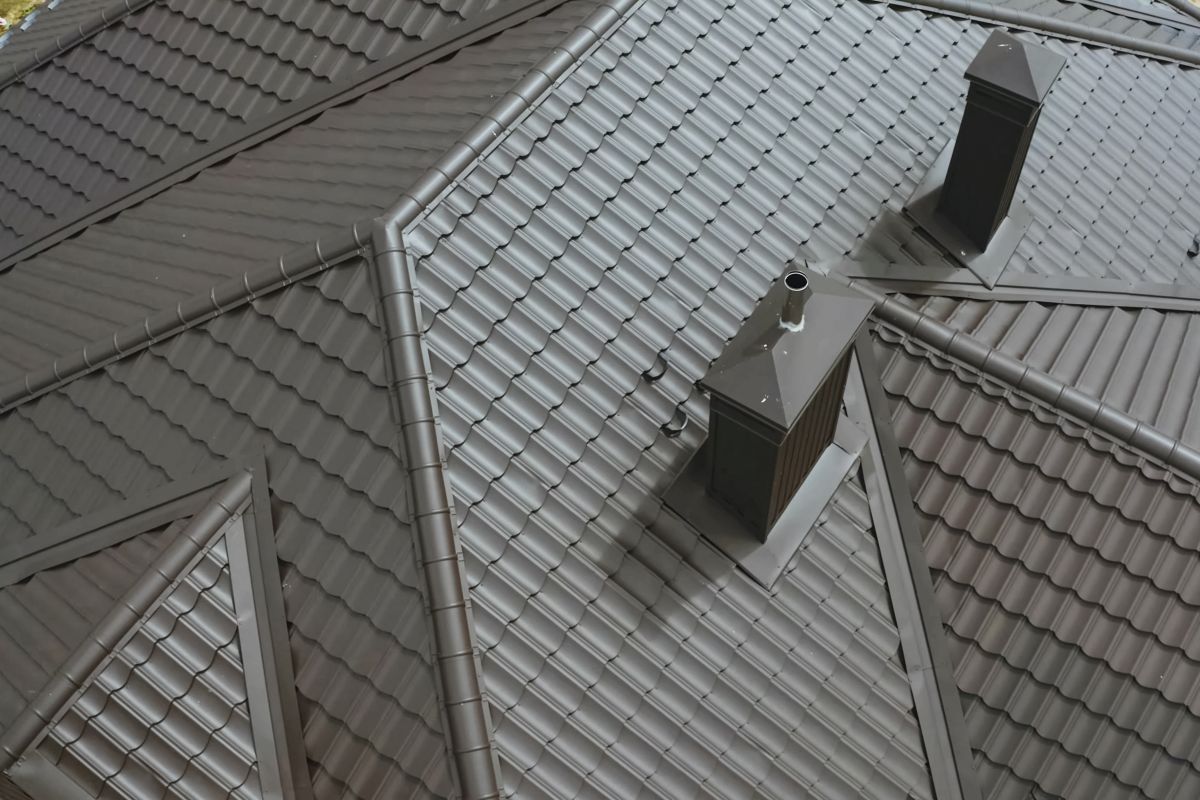
Steeper roofs require additional safety measures and slower installation. Complex designs with multiple valleys, dormers, skylights, or chimneys demand more precise cutting and flashing work. These details increase labor hours and material waste, which can drive up the final cost.
8 Cost Factors Homeowners Should Consider
Understanding what goes into your estimate helps you evaluate pricing more confidently. These eight factors commonly influence the total cost of a metal roof.
- Material selection: Different metals vary widely in price, durability, and appearance.
- Roof size: Larger roofs require more materials and labor, increasing total cost.
- Roof pitch: Steeper slopes increase labor complexity and safety requirements.
- Panel style: Standing seam metal roof systems typically cost more than corrugated metal panels.
- Underlayment quality: High-performance underlayments add protection but increase upfront cost.
- Decking condition: Damaged decking may need repair or replacement before metal roof installation.
- Labor experience: Skilled metal roofing installers often charge more, but quality matters.
- Accessory details: Trim, flashing, ventilation, and snow guards all add to the final price.
Material Type and Its Impact on Pricing
The type of metal you choose has one of the biggest influences on overall cost. Each option offers unique benefits, visual styles, and price points.
Steel Roofing
Steel is one of the most commonly installed metal roofing materials due to its balance of strength and affordability. It performs well in snowy climates and is often coated to resist rust and corrosion. Steel roofing comes in multiple gauges and finishes, allowing homeowners to tailor cost and durability to their needs without sacrificing performance. Steel pricing also varies per square foot depending on thickness and coatings.
Aluminum Roofing
Aluminum is lightweight and naturally resistant to corrosion, making it a strong choice for areas that experience heavy moisture or fluctuating temperatures. While aluminum typically costs more than steel, it can be a smart investment for homeowners focused on longevity and reduced maintenance. It’s especially popular for coastal properties, though it performs well in Northern Indiana as well.
Copper and Specialty Metals
Premium metals like copper offer unmatched aesthetics and extreme durability, but they also come with significantly higher material costs. These options are often chosen for architectural appeal rather than budget efficiency, and installation requires specialized experience. Homeowners who choose these options typically plan for less frequent metal roof repair and a striking appearance that lasts for decades.
Labor Quality and Contractor Experience
Even with top-tier materials, a poorly installed metal roof won’t last — or perform — the way it should. That’s why labor is one of the most important (and often underestimated) cost factors in any new metal roof project. It’s not just about price — it’s about who you’re trusting to protect your home.
Here’s what sets great metal roof installers apart:
- Specialized knowledge: Metal roofing requires precise fastening techniques that differ from shingle roofs.
- Trained crews: Crews unfamiliar with metal may cause panel misalignment, oil canning, or early failure.
- Installation speed: Faster isn’t always better. A careful, experienced installer avoids costly callbacks.
- Tool requirements: Proper equipment ensures clean cuts, tight seams, and long-lasting results.
A well-installed metal roof can last 50+ years. But if the labor is rushed or sloppy, even the best materials won’t perform as promised.
Climate Considerations in Northern Indiana
Weather isn’t just a background condition in Northern Indiana — it’s a central consideration in every roofing decision. Mishawaka homes see freezing temperatures, snow, hail, and heavy rains. A metal roof can handle it all, but only if the right upgrades are factored in from the start.
Winter Demands
Homes in Mishawaka face heavy snow loads, sub-zero temps, and frequent freeze-thaw cycles. Metal roofs in this region often require snow retention systems and ice barriers to avoid dangerous shedding and water intrusion.
Summer Storm Protection
Storm season brings hail and high winds, which can dent or displace lower-quality roofing. Thicker gauge steel and standing seam metal roof systems offer better protection — and peace of mind — during unpredictable Midwest weather.
Year-Round Ventilation
Good attic airflow is critical in all seasons. In winter, it helps prevent ice dams. In summer, it reduces attic heat and moisture buildup. Mishawaka homes benefit from proper ridge venting and under-eave intake as part of a complete metal roof installation plan.
Why Homeowners Trust One Way Roofing for Metal Roofing Projects
At One Way Roofing, we believe metal roofing should be an informed investment, not a confusing one. Our team takes the time to explain every factor that affects pricing so homeowners know exactly what they’re paying for and why. From material selection to installation details, transparency is at the core of our process.
If you’re considering a metal roof and want clear answers about cost, performance, and long-term value, One Way Roofing is here to help. Reach out today to schedule a free inspection and get expert guidance tailored to your home and your goals.
