

Commercial Roof Maintenance: 5 Smart Essential Tips
Maintaining a safe, efficient building begins with proper care of your roof. Whether you manage or own a commercial property, commercial roof maintenance helps prevent unexpected repairs and extends the life of your roofing system. Regular inspections and preventive steps protect your investment while ensuring your property stays functional throughout changing weather conditions. In regions like Elkhart, steady roof maintenance is especially important due to varying seasonal conditions.
Below are the key areas this guide will cover to help you stay ahead of roofing issues:
- Why commercial roof maintenance is essential
- Steps in an effective maintenance plan
- Ways to increase performance and durability
- Preventive strategies to support long-term roof health
- Signs your roof needs immediate attention
Why Commercial Roof Maintenance Matters
A commercial roof does more than protect your building from rain. Routine care helps prevent long-term damage, supports energy efficiency, and ensures the safety of everyone inside the building.

Prevents Expensive Repairs
Routine maintenance catches minor issues before they become major emergencies. This reduces the likelihood of leaks, membrane damage, or structural failures.
Extends Roof Life
Addressing early signs of deterioration helps preserve roofing components and prolongs the lifespan of the system.
Enhances Property Safety
A well-maintained roof protects occupants from risks caused by moisture intrusion, mold, or weakened roof decking.
Supports Energy Efficiency
Clean, properly functioning roofing materials support better temperature regulation and reduce heating and cooling costs.
Preserves Warranty Coverage
Manufacturers often require documentation of scheduled maintenance to keep warranties active.
5 Steps to an Effective Commercial Roof Maintenance Routine
A structured maintenance plan ensures nothing is overlooked. The following steps help property managers and facility teams maintain a healthy commercial roof.
1. Scheduled Roof Inspections
Regular inspections form the foundation of effective commercial roof maintenance. These should occur twice annually and after severe weather events.
- Check visible damage: Look for cracks, punctures, blisters, or lifted seams.
- Inspect flashing: Ensure flashing around penetrations is sealed and intact.
- Watch drainage patterns: Identify any signs of standing water.
- Document findings: Maintain photos and notes for future comparison.
2. Cleaning and Debris Removal
Debris buildup is one of the leading causes of premature roof deterioration. Regular cleaning ensures proper water flow and reduces surface stress.
- Remove loose debris: Clear leaves, branches, dirt, and rooftop clutter.
- Clean gutters and drains: Prevent blockages that cause ponding water.
- Clear equipment zones: Keep vents, HVAC units, and skylights free from obstruction.
3. Minor Repairs and Sealant Application
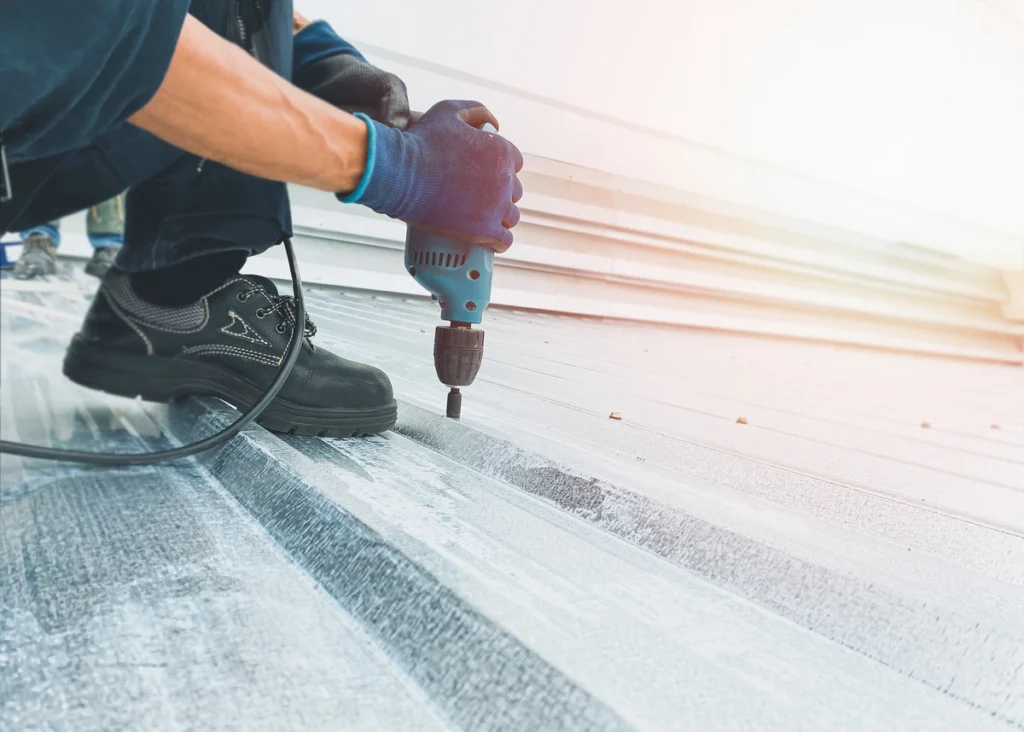
Small repairs help prevent bigger, costlier issues from developing.
- Seal cracks: Apply compatible sealants to small splits and openings.
- Repair flashing: Fix loose or damaged flashing around edges and penetrations.
- Secure fasteners: Replace or tighten any loose screws or fasteners.
4. Monitoring Roof Drainage
Proper drainage is essential for preventing weight-related stress and structural damage.
- Check slopes: Ensure the roof channels water toward drains or scuppers.
- Maintain drainage components: Remove debris blocking gutters and downspouts.
- Redirect water flow: Confirm downspouts carry water away from the foundation.
5. Professional Evaluation and Maintenance
Experienced roofing technicians can identify hidden issues and recommend long-term solutions.
- Schedule periodic professional inspections: Professionals provide deeper evaluations.
- Hire experts for advanced repairs: Anything beyond minor fixes should be handled by trained specialists.
- Consider restorative treatments: Protective coatings and treatments extend roof life.
Techniques to Boost Roofing Performance and Durability
These additional practices help commercial roofs withstand frequent weather changes, foot traffic, and long-term operation demands.

Reflective Coatings
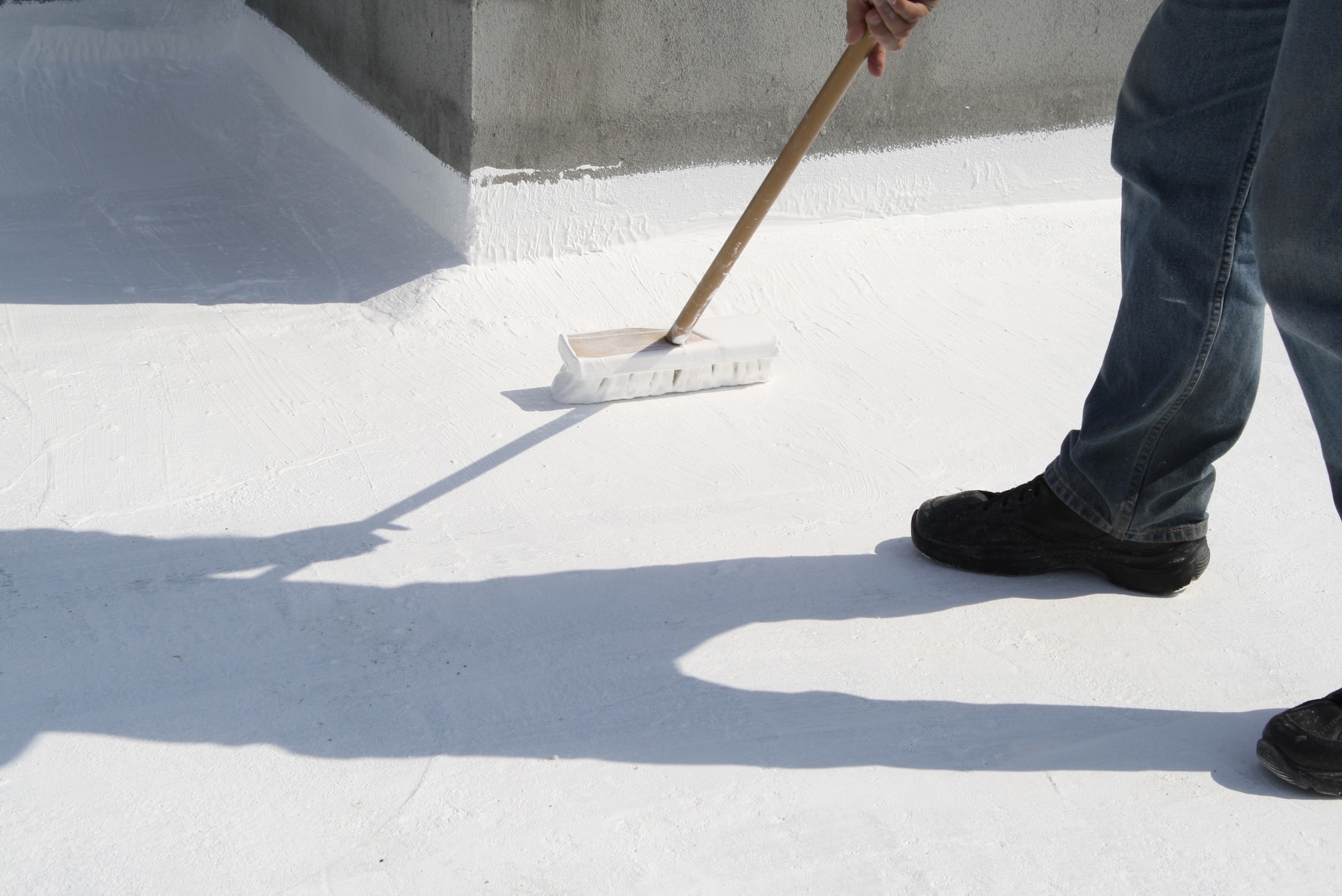
Reflective coatings reduce heat absorption and protect roofing materials from UV damage. They also improve interior comfort and help lower utility expenses.
Insulation Upgrades
Increasing insulation enhances temperature control inside the building and supports energy efficiency.
Drainage Improvements
Upgrading drainage systems helps eliminate ponding water and reduces stress on roofing structures.
Preventive Chemical Treatments
Applying anti-corrosion or anti-fungal treatments helps extend the life of roofing materials in challenging environmental conditions.
High-Quality Material Selection
Selecting durable membranes and accessories suited to local climates reduces commercial roof maintenance needs and improves long-term reliability.
Comparing Maintenance Approaches: Reactive vs. Preventive Strategies
Understanding the differences between reactive and preventive commercial roof maintenance helps property managers allocate resources effectively.
| Aspect | Reactive Maintenance | Preventive Maintenance |
| Timing | Occurs after issues appear | Scheduled and proactive |
| Cost | Higher due to emergency repairs | Lower overall through early detection |
| Roof Lifespan | Shortened by delayed repairs | Extended through regular care |
| Business Impact | Unexpected disruptions | Minimal interruptions with planned work |
| Safety | Greater risk from sudden failures | Lower risk with continuous monitoring |
Signs Your Commercial Roof Needs Immediate Attention
Commercial roofs often show clear warning signs before major repairs are required. Recognizing these issues early helps prevent damage, safety risks, and costly operational delays.
- Persistent ponding water: Pooling water lasting longer than 48 hours indicates drainage or slope problems.
- Visible membrane damage: Tears, punctures, cracks, or blistering can expose underlying materials to moisture.
- Loose or damaged flashing: Compromised flashing commonly leads to leaks around vents, skylights, and edges.
- Interior moisture signs: Water stains on ceilings or walls indicate roof leaks or moisture intrusion.
- Sagging areas: Uneven or sunken sections may suggest structural weakening and require urgent evaluation.
Protect Your Commercial Property With One Way Roofing
A well-planned commercial roof maintenance routine protects your investment, reduces operational disruptions, and helps your building perform efficiently throughout the year. At One Way Roofing, we provide detailed inspections, professional maintenance, and long-term care solutions designed for commercial properties in Elkhart, IN.
We’re proud to serve home and business owners in Elkhart, IN, and nearby communities with commercial roof maintenance, repairs, and more. Our team delivers clear communication, honest recommendations, and dependable roofing support.
If your commercial roof is showing signs of wear or it’s time to establish a consistent maintenance plan, contact One Way Roofing today to schedule a free inspection and keep your building protected year-round.
